
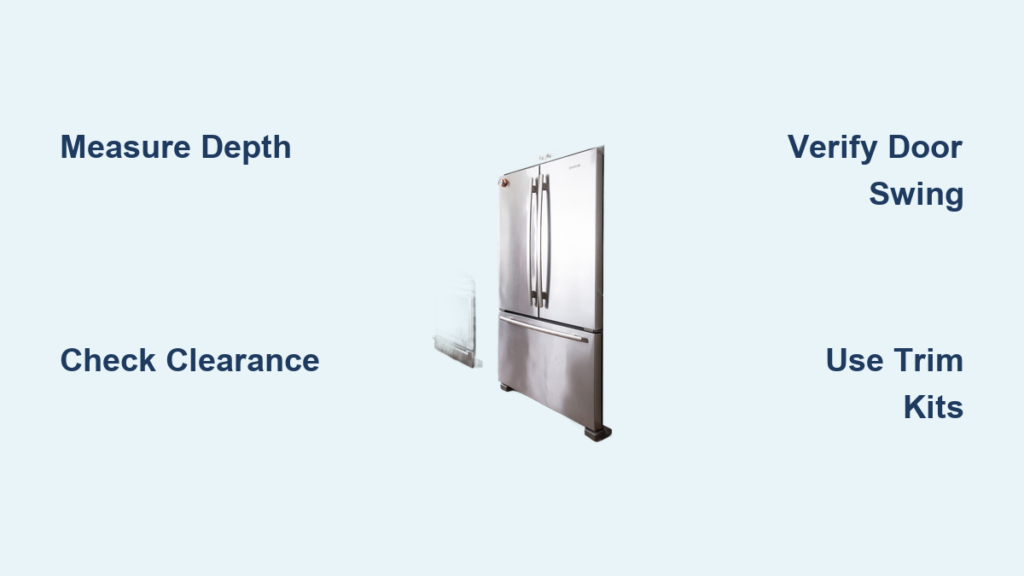
When planning a kitchen remodel or upgrading your appliances, one of the most critical measurements to get right is cabinet depth fridge dimensions. A refrigerator that’s too deep can extend past your countertops, disrupting the kitchen’s seamless look. One that’s too shallow may waste valuable space or leave awkward gaps. Understanding cabinet depth fridge dimensions ensures your appliance fits perfectly within your cabinetry while maximizing storage and maintaining a built-in aesthetic.
Most standard refrigerators range from 30 to 36 inches in depth, but cabinet depth models are specifically designed to align flush with typical kitchen cabinetry, which averages around 24 inches deep. These space-saving fridges are ideal for modern, streamlined kitchens where form and function go hand in hand. By choosing the right cabinet depth fridge, you can eliminate bulky overhangs and achieve a more integrated, custom appearance.
In this guide, you’ll learn standard dimensions, how to measure your space accurately, and what to look for when selecting a model that fits your kitchen layout.
Standard Cabinet Depth Measurements

To ensure your fridge blends seamlessly with your kitchen design, it’s essential to understand what “cabinet depth” actually means and how it compares to standard models.
What Is Cabinet Depth?
Cabinet depth refers to the front-to-back measurement of your kitchen cabinets, typically around 24 inches. A true cabinet depth fridge is designed to match this dimension so it aligns flush with the cabinetry, excluding the door and handles. These models are often called “counter-depth” fridges, though the terms are sometimes used interchangeably.
Unlike standard refrigerators that can extend 6–10 inches beyond cabinets, cabinet depth models maintain a uniform kitchen line. However, because they’re shallower, they often offer less internal volume, usually between 18 to 22 cubic feet, compared to 20–28 cu ft in full-depth models.
Standard Dimensions by Type
Not all cabinet depth fridges are identical. Dimensions vary slightly by brand, configuration, and features. Below is a general breakdown:
| Refrigerator Type | Width (in) | Depth (in) | Height (in) | Notes |
|---|---|---|---|---|
| Side-by-Side | 30–36 | 23–26 | 67–70 | Narrower per compartment |
| French Door | 30–36 | 24–25 | 68–70 | Most popular style |
| Top Freezer | 24–30 | 24–25 | 65–68 | Budget-friendly option |
| Bottom Freezer | 24–30 | 24–25 | 65–68 | Easier access to fridge |
Note: Depth measurements typically exclude handles and protrusions. Always check manufacturer specs.
Why Depth Varies by Brand
Manufacturers like Bosch, LG, Samsung, and KitchenAid design their cabinet depth fridges to balance aesthetics, capacity, and technology. Some models appear flush but have recessed doors or curved handles that allow for slightly greater internal depth without extending past the counter.
For example:
– Bosch counter-depth models often measure 24.5 inches deep, designed to sit flush with 24-inch base cabinets.
– Samsung and LG may list depths of 25.5 inches, but with flush-in handles, the visual profile remains streamlined.
– Sub-Zero integrates cabinetry panels, making the fridge virtually indistinguishable from surrounding cabinets.
Always verify total depth including hinges and handles, as some models add 1–2 extra inches when the door is open.
How to Measure for Cabinet Depth Fridge
Accurate measurements are crucial before purchasing a cabinet depth refrigerator. Even a 1-inch miscalculation can lead to fit issues or poor door clearance.
Measure Cabinet Opening First
Start by measuring the width, height, and depth of the space where the fridge will go.
- Width: Measure from the inside edge of the cabinetry on one side to the other. Most openings are 30, 33, or 36 inches wide.
- Height: Measure from the floor to the underside of the countertop or overhead cabinet. Standard height clearance is 68–70 inches.
- Depth: Measure from the front edge of the cabinets to the wall. Standard base cabinets are 24 inches deep.
Leave at least:
– 1/8 inch on each side for air circulation
– 1 inch at the back for hoses and vents
– 2 inches above if required by model specs
Account for Door Swing and Clearance
A fridge might fit in the space, but will the door open fully?
- French door models need clearance to swing open, so measure the swing arc, usually 90–180 degrees.
- Ensure at least 2–3 inches between the fridge door and adjacent cabinets or walls.
- Consider 90-degree swing doors or models with folded hinges for tight spaces.
Pro tip: Use painter’s tape to mark the fridge footprint on the floor and test door movement before delivery.
Check Ceiling and Flooring Obstacles
Don’t forget overhead and floor-level obstructions:
– Ceiling-mounted microwaves or cabinets may restrict height.
– Baseboard heating or floor vents can limit how far back the fridge sits.
– Thresholds or raised flooring affect leveling and installation.
Cabinet Depth vs Standard Depth Fridges
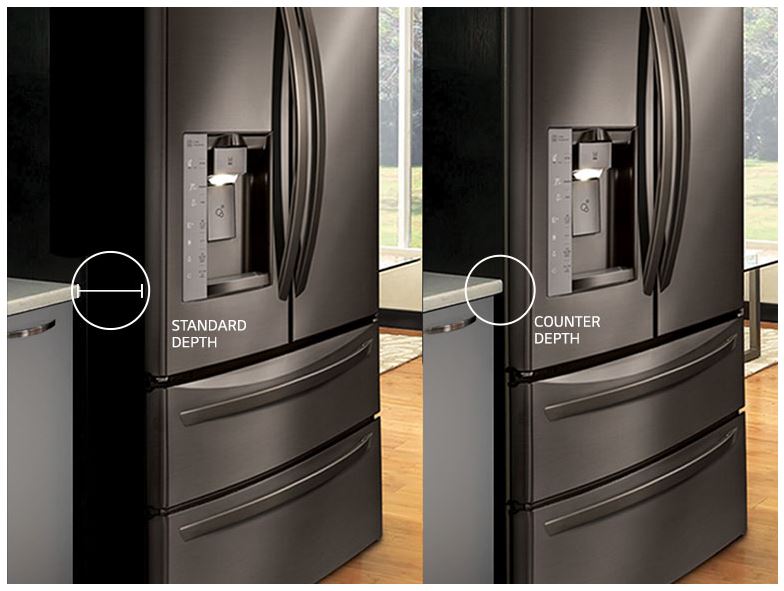
Choosing between cabinet depth and standard depth comes down to space, style, and storage needs.
Visual and Spatial Differences
| Feature | Cabinet Depth Fridge | Standard Depth Fridge |
|---|---|---|
| Depth (excluding door) | 24–25 inches | 30–36 inches |
| Countertop Alignment | Flush or near-flush | Protrudes 6–12 inches |
| Kitchen Aesthetic | Built-in, custom look | Appliance-forward look |
| Footprint | Compact, space-efficient | Larger, more dominant |
Cabinet depth fridges create a clean, integrated appearance, ideal for open-concept kitchens and modern designs. Standard models offer more storage but dominate the space visually.
Storage Capacity Trade-Offs
Due to reduced depth, cabinet depth fridges typically hold 10–20% less than standard models. For example:
– A 20 cu ft counter-depth fridge may fit what a 24 cu ft standard fridge holds.
– Shelves are shorter, limiting how far back large items like pizza boxes or sheet pans can go.
However, manufacturers optimize interior layouts with:
– Slimmer walls and insulation
– Adjustable, deep drawers
– Efficient door bins and shelving
If you frequently store large platters or bulk groceries, consider whether the sleek look is worth the reduced capacity.
Price and Feature Comparison
Cabinet depth fridges often cost 10–30% more than standard models due to design complexity and premium positioning.
- Entry-level: $1,800–$2,500 for basic French door or top freezer models
- Mid-range: $2,500–$3,500 with smart features and ice or water dispensers
- High-end: $3,500+ for panel-ready, dual cooling, and fingerprint-resistant finishes
While some models sacrifice features for size, many now include:
– Through-the-door ice and water
– Wi-Fi connectivity
– Flexible shelving and lighting
Best Cabinet Depth Fridge Models
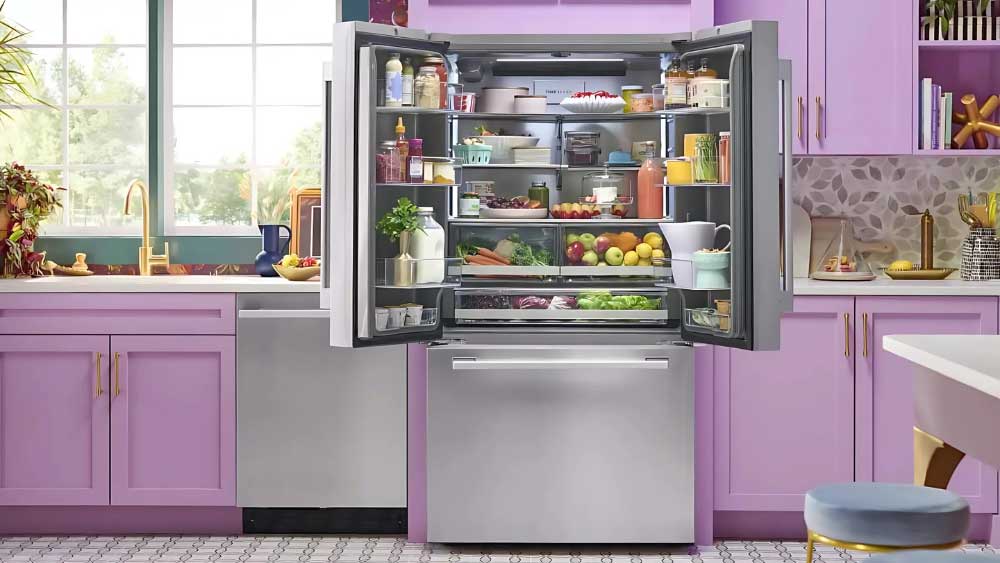
Several brands lead the market in well-designed, high-performing cabinet depth refrigerators.
Top Picks by Configuration
30-Inch French Door (Best Overall)
- Bosch B36CT80SNS: 36″ wide, 24.5″ deep, 22 cu ft
- Panel-ready option
- No external water line needed
-
AutoAir recirculation system
-
LG LRFDS3019S: 35.75″ wide, 24.6″ deep, 21.9 cu ft
- InstaView door-in-door
- Craft Ice maker
- Linear Cooling technology
Compact 24-Inch (Small Kitchens)
- Fisher & Paykel RR24DQ3HWT1: 23.75″ wide, 24.5″ deep, 13.4 cu ft
- Ideal for galley kitchens
- Adjustable shelves
-
Frost-free operation
-
GE Profile PVD28BYNFS: 23.8″ wide, 24.8″ deep, 14 cu ft
- Built-in look with trim kit
- Internal water dispenser
- Wi-Fi enabled
High-End Integrated (Luxury Choice)
- Sub-Zero IC-36R: 35.75″ wide, 24.5″ deep, 18.6 cu ft
- True refrigeration with dual compressors
- Magnetic seals for airtight closure
-
Fully customizable paneling
-
Miele KFN 26933 iD: 35.8″ wide, 24.4″ deep, 21.8 cu ft
- SuperCool function
- AutoOpen feature
- German-engineered precision
Installation Tips for Flush Fit
Even with the right dimensions, improper installation can ruin the seamless look of a cabinet depth fridge.
Leveling and Alignment
After delivery:
– Use a level to adjust front legs until the fridge is perfectly balanced.
– Misalignment can cause doors not to seal or close properly.
– Ensure the unit is slightly tilted backward about 1/4 inch so doors self-close.
Sealing Gaps with Trim Kits
Small side or top gaps are common. Use manufacturer-approved trim kits to create a built-in appearance.
- Side fillers: Adjustable panels, usually 1/4″ to 1″, to cover uneven spaces.
- Top caps: Conceal the upper edge and match cabinet finish.
- Panel-ready models: Accept wood or laminate panels to blend with cabinetry.
Never use non-approved trims, as they can block ventilation or void the warranty.
Ventilation Requirements
Most cabinet depth fridges require:
– 1 inch clearance at the back for power cord, water line, and heat dissipation.
– Top clearance if specified, so check the manual as some Bosch models need 2 inches.
– No enclosed cabinetry on sides unless designed for it, as some Sub-Zero models allow tight fits.
Overheating due to poor ventilation reduces efficiency and shortens lifespan.
Common Fit Problems and Fixes
Even careful planning can’t prevent every issue. Here’s how to handle typical fit challenges.
Fridge Protrudes Past Countertop
If your fridge sticks out despite being labeled “cabinet depth,” check:
– Handle depth: Some doors extend 2–3 inches beyond the body.
– Installation error: Unit not pushed back fully due to floor obstruction.
Fix:
– Choose models with recessed handles or flush door designs.
– Install a false panel or toe kick to visually align the unit.
Door Can’t Open Fully
In tight kitchens, doors may hit walls or adjacent cabinets.
Fix:
– Opt for 90-degree swing hinges, available on some LG and KitchenAid models.
– Install fold-away or removable shelves on the door.
– Reconsider layout by placing the fridge in a corner or niche with swing clearance.
Gaps Between Fridge and Cabinets
Uneven walls or floors can leave visible spaces.
Fix:
– Use adjustable filler strips in matching finish.
– Install custom side panels for a seamless look.
– Choose a column-style fridge that pairs with a matching freezer column.
Maintenance and Long-Term Use
A cabinet depth fridge is an investment, so proper care keeps it running efficiently.
Cleaning Around Tight Spaces
Tight clearances make cleaning difficult.
- Pull out the fridge monthly to vacuum dust from coils and floor.
- Use a slim duster or crevice tool for side gaps.
- Wipe seals regularly to prevent mold and ensure airtight closure.
Preventing Overloading
Shorter shelves mean weight distribution matters more.
- Avoid stacking heavy items on glass shelves.
- Use shelf supports if storing large containers.
- Keep door bins light, as overloading stresses hinges.
When to Upgrade
Consider replacing your cabinet depth fridge if:
– It’s over 10–12 years old and efficiency has dropped significantly.
– You notice frequent cycling or temperature fluctuations.
– New models offer space-saving tech like bottom compressors or thinner insulation.
Final Considerations Before Buying
Choosing the right cabinet depth fridge involves balancing form, function, and fit.
Prioritize Your Kitchen Layout
- In open-concept designs, a flush-fit fridge enhances flow and aesthetics.
- In small kitchens, every inch counts, so measure twice and buy once.
- For rentals or resales, standard depth may offer better value and flexibility.
Think About Daily Usage
- Do you cook large meals? You may need deeper shelves.
- Do you entertain often? Look for through-the-door ice or beverage centers.
- Do you prefer smart features? Ensure Wi-Fi and app control are supported.
Verify Delivery Access
Cabinet depth fridges are often heavier due to reinforced frames and premium components.
- Confirm doorways, hallways, and staircases can accommodate the unit.
- Measure diagonal depth, as a 25-inch deep fridge can have a diagonal of 40+ inches when tilted.
Frequently Asked Questions About Cabinet Depth Fridge Dimensions
What is the standard depth of a cabinet depth refrigerator?
Most cabinet depth fridges measure between 24 and 25 inches deep, excluding doors and handles. This aligns them with standard kitchen cabinets, which are typically 24 inches deep, creating a flush, built-in appearance.
How much clearance do I need behind a cabinet depth fridge?
You should leave at least 1 inch at the back for the power cord, water line, and heat dissipation. Some models may require more, so always check the manufacturer’s specifications for exact clearance requirements.
Do cabinet depth fridges hold less food than standard models?
Yes, cabinet depth fridges typically hold 10–20% less than standard depth models. A 20 cu ft counter-depth fridge may fit what a 24 cu ft standard fridge holds, so consider your storage needs carefully.
Can I install a cabinet depth fridge in a standard opening?
Yes, cabinet depth fridges are designed to fit standard cabinet openings of 30, 33, or 36 inches wide. However, you’ll need to verify height and depth measurements to ensure proper fit and ventilation.
Are cabinet depth fridges more expensive than standard models?
Cabinet depth fridges often cost 10–30% more than standard models due to their design complexity and premium positioning. Entry-level models start around $1,800, while high-end options can exceed $3,500.
Do cabinet depth fridges require special installation?
While installation is similar to standard fridges, cabinet depth models may require trim kits to seal gaps and create a built-in look. You’ll also need to ensure proper leveling and ventilation for optimal performance.
Key Takeaways for Choosing Cabinet Depth Fridge Dimensions
Selecting the right cabinet depth fridge dimensions ensures your kitchen looks polished and functions efficiently. By measuring carefully, understanding the trade-offs, and choosing a model that fits both your space and lifestyle, you can enjoy a sleek, built-in look without sacrificing performance.
Focus on the essentials: accurate measurements, proper clearance, and a style that complements your kitchen. Whether you’re building a new kitchen or upgrading an existing one, paying attention to depth, door swing, and design details will lead to a smarter, more satisfying appliance choice.
Take the next step by measuring your space today and comparing models that match your dimensions. With the right preparation, your cabinet depth fridge will blend seamlessly into your kitchen for years to come.


