

Installing glass on cabinet doors can transform the look of your kitchen or bathroom, adding elegance, depth, and a sense of openness. Whether you’re upgrading old cabinets or building new ones, adding glass inserts brings natural light into the cabinetry and showcases displayed items like dishes or glassware. If you’re wondering how to install glass on cabinet doors, this guide provides a clear, step-by-step process for both retrofitting existing doors and building new framed doors with glass panels.
You don’t need to be a professional carpenter to complete this project, just basic tools, careful measurements, and attention to detail. From choosing the right type of glass to securing it safely in place, each step is crucial for a clean, durable finish. By the end of this guide, you’ll know how to measure, cut, frame, and install glass in cabinet doors with confidence.
Choose the Right Glass Type
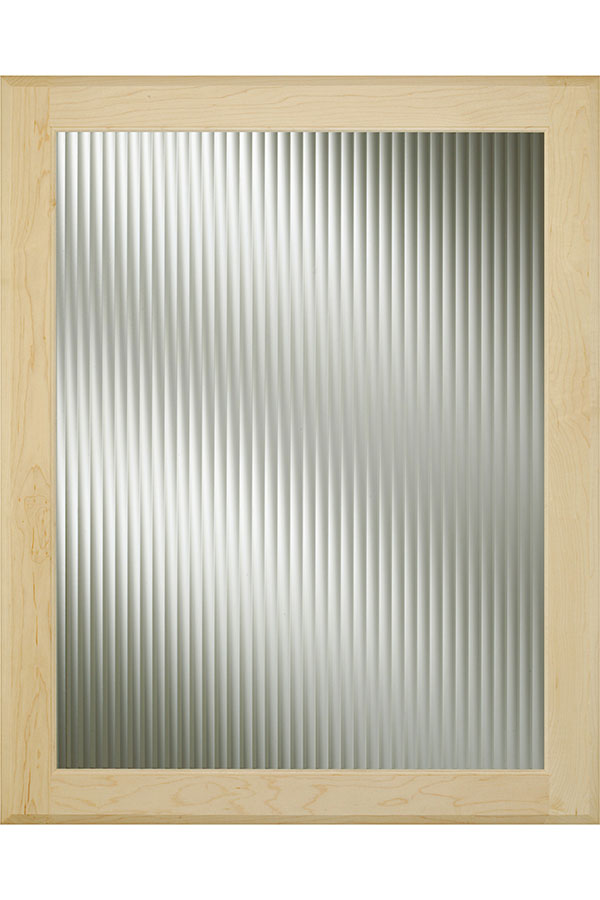
Types of Cabinet Door Glass
Different glass styles offer varying levels of privacy, light transmission, and visual appeal. Common options include:
- Clear glass – Maximizes visibility and brightness; ideal for showing off decorative dishware.
- Frosted glass – Provides soft diffusion of light with partial privacy.
- Seeded glass – Contains small bubbles or imperfections that scatter light beautifully.
- Reeded or fluted glass – Features vertical texture for modern or traditional designs.
- Lead-free beveled glass – Adds elegance with angled edges that refract light.
Choose based on your aesthetic goals and the room’s function.
Safety Considerations for Glass
Always use tempered glass for cabinet doors, especially in high-traffic areas or homes with children. Tempered glass is heat-treated for strength and breaks into small, dull pieces instead of sharp shards. For DIY-cut projects (not recommended for beginners), laminated safety glass is another option.
Avoid using standard window glass. It’s too fragile and poses a safety risk.
Measure Existing or New Door Frames
Measure Existing Cabinet Doors
If retrofitting current doors, remove them carefully from hinges and lay them flat. Use a tape measure to determine:
- Outside frame dimensions (height and width)
- Muntin (grid) pattern size, if present
- Rabbet depth and width (the groove where glass sits)
Record all measurements to the nearest 1/16 inch. Even a slight error can prevent proper glass fit.
Determine Glass Panel Size
Glass should be 1/8 inch smaller than the internal rabbet opening to allow for expansion and easy installation. For example, if the inner frame opening measures 15 ¾” x 23 ¾”, the glass should be cut to 15 ½” x 23 ½”.
Always double-check measurements before ordering or cutting.
Prepare the Cabinet Door Frame
Inspect and Clean the Rabbet
Examine the groove where the glass will sit. Remove old glue, paint buildup, or broken glass fragments with a utility knife and soft brush. Wipe clean with a dry cloth to ensure a debris-free surface.
Check for warping or damage in wooden frames. Repair cracks or loose joints with wood glue and clamps before proceeding.
Sand and Finish the Frame
Lightly sand the entire door with 180–220 grit sandpaper for a smooth finish. Wipe away dust with a tack cloth. If staining or painting, apply finish now and let dry completely. This prevents moisture damage later.
Avoid getting finish inside the rabbet groove, as it may interfere with glass seating.
Cut or Order Glass to Size
Order Pre-Cut Glass Panels
Most homeowners should order custom-cut glass from a local glass shop or hardware store. Provide exact dimensions and specify tempered glass for safety.
Cost varies by size and thickness, typically $10 to $30 per panel. Tempering takes 1 to 3 days but is worth the wait.
DIY Glass Cutting (Advanced Only)
Cutting glass at home requires a glass cutter, straightedge, and safety gear. Score the surface firmly along a straight edge, then snap along the line. This method is risky and often results in chipped or uneven edges. It’s not recommended for beginners.
If attempting, practice on scrap first and wear cut-resistant gloves and eye protection.
Install the Glass Panel
Use Glazing Points or Clips
Glazing points, small metal tabs, hold glass securely in wood frames. Insert them every 4 to 6 inches around the perimeter using a putty knife or glazing tool.
For frameless or modern designs, use plastic or metal retention clips that screw into the frame.
Apply Setting Compound (Optional)
For extra stability and to reduce vibration noise, apply a thin bead of glazing compound or silicone caulk in the rabbet before inserting the glass. Press glass gently into place to avoid cracking.
Do not overfill. Excess compound can squeeze out and create a mess.
Secure and Finish the Installation
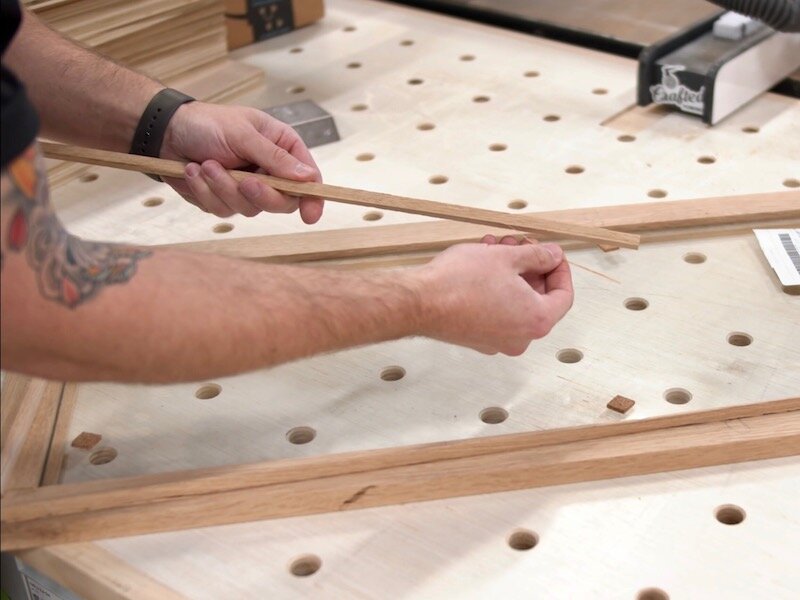
Install Wood Trim or Beading
Many traditional cabinet doors use glazing bead, a thin strip of wood that covers the edge of the glass. Nail it in place with 1/2″ brad nails every 6 inches. Countersink nails slightly and fill holes with wood filler.
For a seamless look, stain or paint the bead to match the door.
Caulk Exterior Edges (For Frameless Glass)
In modern or floating glass installations, use clear silicone caulk around the outer edge to secure and seal the glass. Smooth the bead with a damp finger and wipe excess immediately.
Allow 24 hours to cure before reinstalling doors.
Reinstall Cabinet Doors
Align Doors Properly
Hang each door back on its hinge screws, ensuring alignment with adjacent cabinets. Check that doors open and close smoothly without rubbing.
Adjust hinge screws as needed for even gaps, typically 1/8″ between doors and frame.
Test Glass Stability
Gently shake the door to check for rattling. If the glass moves, inspect glazing points or clips and reinforce as needed.
Ensure no stress is placed on the glass from misaligned frames.
Maintain Glass Cabinet Doors
Clean Without Damaging Seals
Use a mild glass cleaner and soft cloth. Avoid abrasive scrubbers or ammonia-based cleaners near wood frames or caulking.
Clean edges carefully to prevent moisture from seeping behind the glass.
Inspect Annually for Wear
Check glazing points, beads, and seals yearly. Replace loose components promptly to prevent glass breakage.
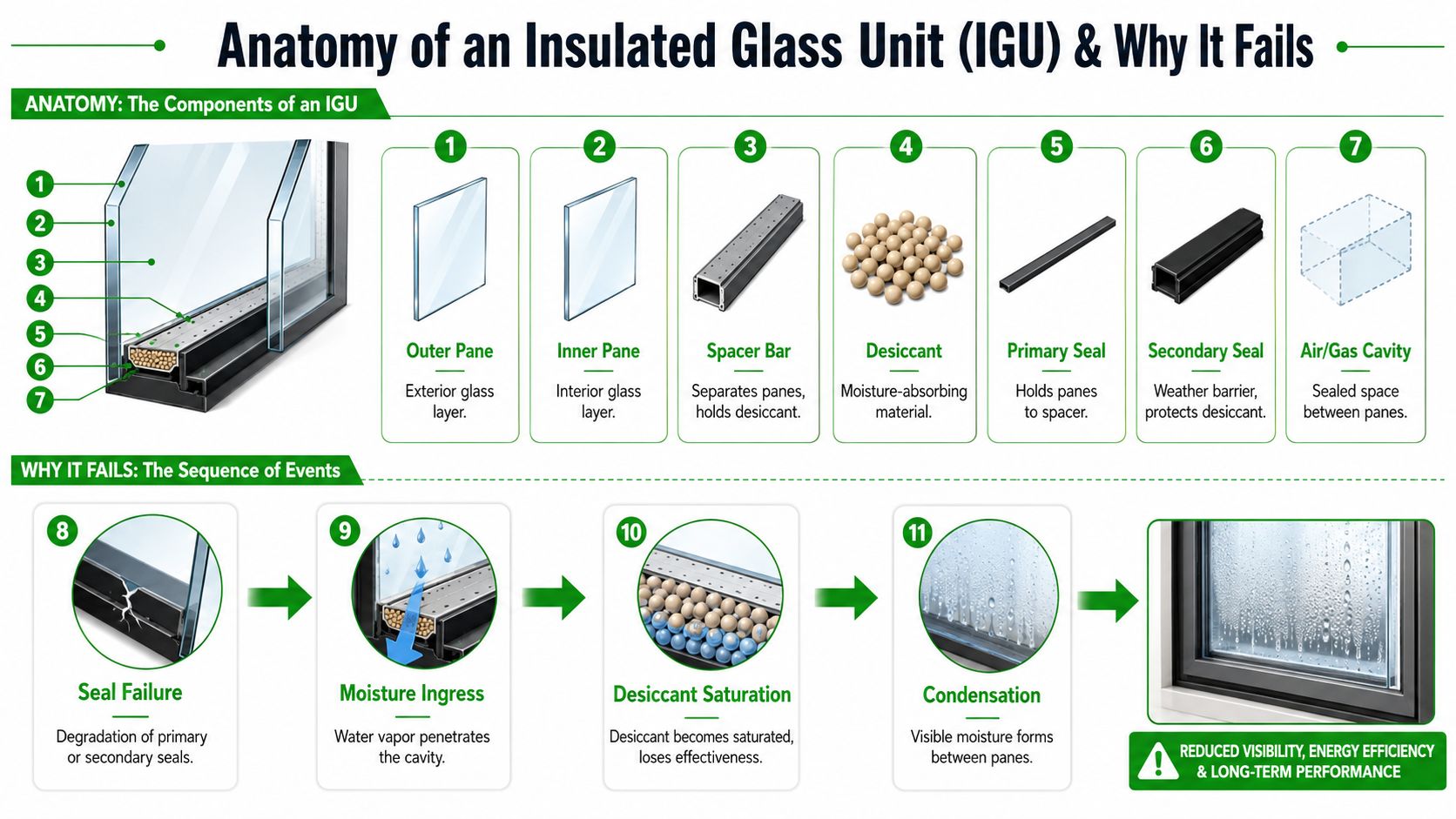
In humid environments, watch for fogging between double-paned glass. This indicates seal failure.
Troubleshooting Common Issues
Glass Won’t Fit in Frame
If the panel is too tight, do not force it. Even 1/16″ too large can cause stress cracks. Re-measure the rabbet and order a smaller size.
Sand wooden beads slightly if they pinch the glass, but never modify the main frame.
Foggy or Condensation Between Panes
Double-paned glass units, also called insulated glass, can develop condensation if the seal breaks. These units cannot be repaired. Replace the entire panel.
Prevent this by choosing high-quality sealed units for humid areas like kitchens.
Rattling or Loose Glass
Tighten retention clips or add additional glazing points. If using silicone, ensure it was applied evenly and has fully cured.
For older doors, re-bed the glass with fresh compound if original adhesive has degraded.
Upgrade Options and Design Tips
Add Backing for Style
Enhance appearance by adding fabric, paint, or mirrored backing behind the glass. This creates contrast and highlights displayed items.
Use spray adhesive to attach thin materials to the back of the cabinet box before installing glass doors.
Use Grid Inserts for Character
Simulated divided lites (SDLs) or true divided lites (TDLs) add architectural interest. Install muntin grids between glass panes or on the surface for a custom look.
Choose from aluminum, wood, or PVC grids depending on style.
Frequently Asked Questions About Installing Glass on Cabinet Doors
Can I install glass in existing cabinet doors?
Yes, you can retrofit existing doors by removing the center panel, creating a rabbet groove, and installing glass with glazing points or trim. Measure carefully and use tempered glass for safety.
What type of glass is best for cabinet doors?
Tempered glass is the best choice for cabinet doors. It’s stronger than standard glass and breaks into small, dull pieces rather than sharp shards if damaged.
How much smaller should the glass be than the frame opening?
The glass panel should be 1/8 inch smaller than the internal rabbet opening. This allows for expansion and makes installation easier without forcing the panel.
Do I need special tools to install glass in cabinet doors?
Basic tools like a tape measure, putty knife, hammer, and brad nailer are sufficient for most installations. A glass cutter is only needed if you choose to cut glass yourself, which isn’t recommended for beginners.
Can I cut glass at home for cabinet doors?
You can cut glass at home with a glass cutter and straightedge, but it’s risky and often leads to chipped edges. Ordering pre-cut tempered glass from a professional is safer and more reliable.
How do I stop the glass from rattling in the cabinet door?
Apply a thin bead of silicone caulk or glazing compound in the rabbet before inserting the glass. You can also add extra glazing points or tighten retention clips to secure the panel firmly.
Key Takeaways for Installing Glass on Cabinet Doors
Installing glass on cabinet doors is a rewarding DIY upgrade that enhances both function and design. With accurate measurements, the right materials, and careful assembly, you can achieve professional-looking results.
Always prioritize safety with tempered glass and proper tools. Take your time measuring the rabbet opening, and never force a glass panel into a frame that’s too tight.
Once installed, enjoy the brighter, more open feel your new glass cabinet doors bring to your space. Start by measuring your existing doors today and order your tempered glass panels to begin the transformation.


