

Choosing the right wood for cabinets can make the difference between a kitchen that looks outdated in five years and one that ages gracefully for decades. With so many wood types available, each with unique grain patterns, durability levels, and price points, it’s easy to feel overwhelmed. Whether you’re building custom cabinets or replacing old ones, selecting the best wood involves balancing aesthetics, functionality, and budget. This guide cuts through the confusion by breaking down the most important factors in choosing cabinet wood, comparing popular species, and helping you match your lifestyle to the ideal material.
You’ll learn how hardness affects wear resistance, why grain pattern matters for design cohesion, and what to watch for in terms of shrinkage and moisture sensitivity. We’ll also cover finishing compatibility and cost considerations so you can make a smart, long-term investment. By the end, you’ll know exactly which wood species suit modern, traditional, or rustic styles, and how to avoid common selection mistakes.
Consider Cabinet Location First
Where your cabinets will be installed plays a crucial role in wood selection. Kitchens, bathrooms, laundry rooms, and living areas expose wood to different environmental conditions.
Kitchens Need Moisture Resistance
Kitchens generate heat, steam, and spills daily. While solid wood isn’t waterproof, some species handle humidity better than others. Woods like maple, birch, and hickory are dense and less prone to swelling when sealed properly. Avoid open-pored woods like ash or softwoods like pine in high-splash zones unless well-protected with durable finishes.
Bathrooms Require Stable Woods
High humidity in bathrooms demands dimensionally stable wood that won’t warp or crack. Quarter-sawn white oak and poplar are excellent choices due to their low movement in changing moisture levels. Always use a full-coverage finish on all sides of the cabinet box to prevent moisture absorption.
Living Areas Allow More Flexibility
In dining rooms or home offices, where moisture and temperature swings are minimal, you can opt for more decorative or softer woods like alder or cherry. These species showcase rich color and grain but are better suited to lower-traffic, drier environments.
Match Wood to Your Style Goals
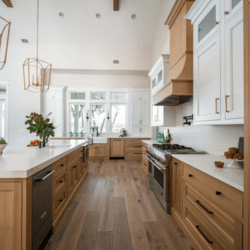
The visual character of wood significantly influences your space’s overall look. Understanding grain patterns and natural color helps align your choice with your design vision.
Choose Tight Grain for Modern Looks
Smooth, uniform grains work best in contemporary or minimalist designs. Maple and poplar offer fine, even textures that accept paint well, making them ideal for sleek, flat-panel cabinets. These woods provide a clean canvas for bold colors or high-gloss finishes.
Opt for Bold Grain in Rustic Spaces
If you love farmhouse or cottage styles, go for woods with pronounced grain and natural variation. White oak and walnut deliver dramatic figuring, including ray flecks and swirls, adding depth and warmth. Rift- or quarter-sawn cuts enhance this effect while improving stability.
Use Warm Tones for Cozy Interiors
Cherry and hickory develop richer hues over time when exposed to light, a trait known as patina. Cherry starts pinkish-brown and deepens to a warm amber, perfect for traditional kitchens. Hickory offers contrasting light and dark streaks, giving cabinets a handcrafted feel.
Evaluate Hardness and Durability
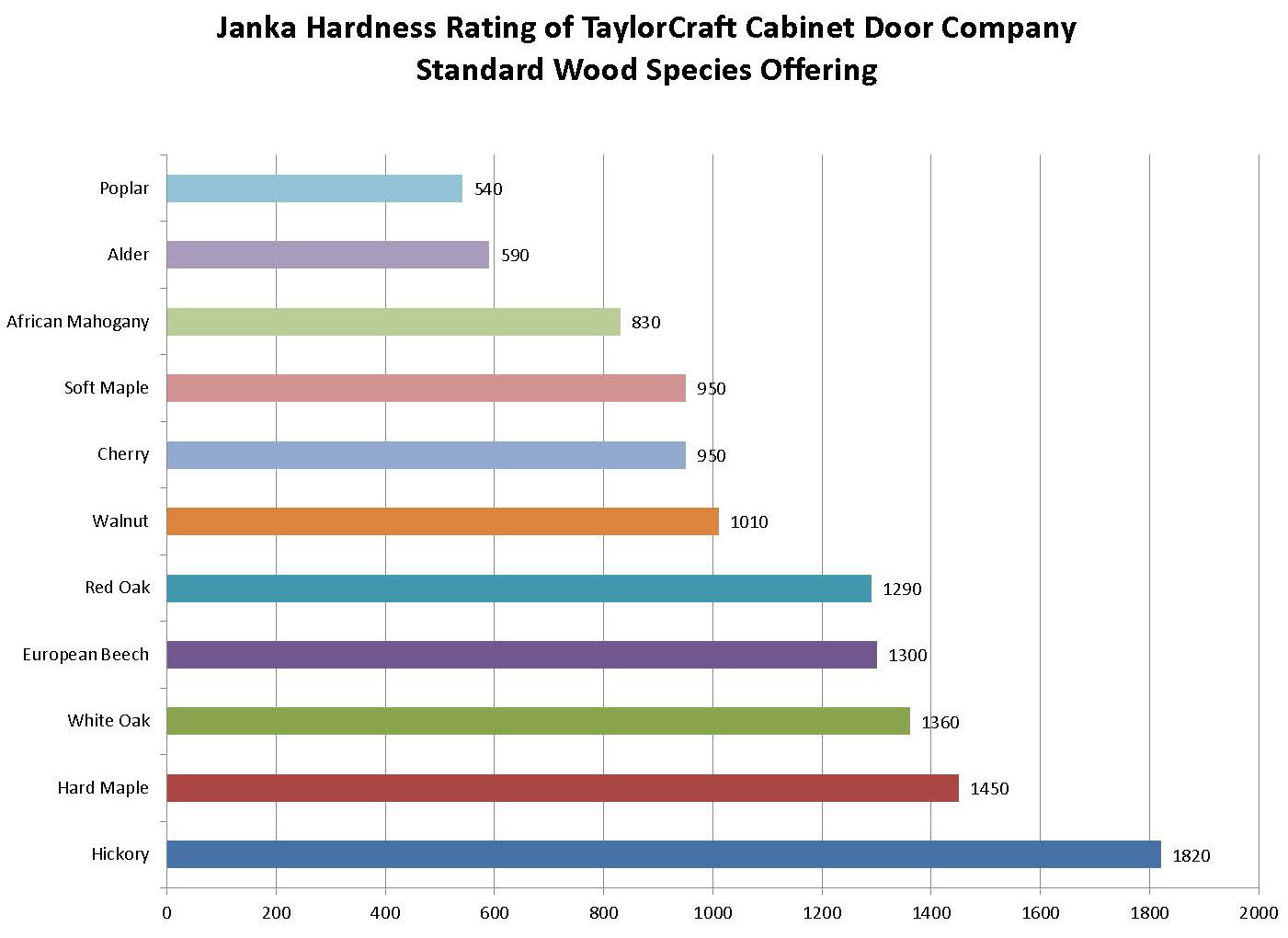
Not all woods stand up to daily use equally. The Janka hardness scale measures how well wood resists dents and scratches, which is critical for cabinets that endure pots, pans, and frequent handling.
Prioritize Hardwoods for Kitchens
Maple (1450 Janka), white oak (1360), and hickory (1820) top the list for durability. Hickory is the hardest commonly used cabinet wood, ideal for busy households. Avoid softer options like pine (380–870) in high-use areas unless you prefer a distressed look.
Balance Softwoods with Finish Protection
Pine and poplar are softer but more affordable. They can work in upper cabinets or low-traffic zones if sealed with polyurethane or conversion varnish. Poplar, though soft, machines cleanly and paints beautifully, making it a favorite for painted cabinetry.
Watch for Dents in High-Traffic Zones
Cabinet doors and drawer fronts take the most abuse. Choose harder woods for these components even if the cabinet box uses a less expensive material. For example, pair a poplar box with maple doors to balance cost and durability.
Compare Common Cabinet Wood Species

Each wood type brings distinct advantages and trade-offs. Knowing the key traits helps narrow your options based on performance and appearance.
Maple – Smooth and Durable
Maple is dense, fine-grained, and highly resistant to wear. It’s a top pick for modern kitchens, especially when painted. Its subtle grain doesn’t distract, and it holds edges well during machining. However, maple can blotch when stained. Use gel stains or pre-conditioners for even results.
Oak – Classic and Strong
White and red oak are traditional favorites. White oak is slightly harder and more water-resistant, thanks to its closed pores filled with tyloses. Both offer prominent grain, ideal for rustic or Craftsman-style homes. Oak accepts stains well but can look dated if not styled carefully.
Cherry – Elegant with Aging
Cherry starts light but darkens significantly with UV exposure. This natural aging process adds character but can create color mismatch in repairs. It’s moderately hard (950 Janka) and machines smoothly, making it a favorite for custom furniture-grade cabinets.
Hickory – Bold and Tough
Hickory is the most durable domestic hardwood, with dramatic color variation between sapwood and heartwood. It suits country, lodge, or Southwestern styles. Because of its inconsistency, it may not appeal to those seeking uniformity. Careful grading during selection is essential.
Poplar – Budget-Friendly and Paintable
Poplar is one of the most economical hardwoods. It ranges from greenish to grayish tones but paints exceptionally well. Rarely used for staining due to uneven color, it’s best hidden under paint. Ideal for inset or shaker-style painted cabinets.
Think About Finish Compatibility
The final finish impacts both appearance and protection. Not all woods respond the same way to staining, painting, or clear coating.
Test Stain Samples First
Wood porosity affects stain absorption. Open-pored woods like oak pull more pigment, creating darker tones, while tight-grained maple may resist even coloring. Always test stains on scrap pieces from the same batch to preview results.
Seal Softwoods Before Painting
Pine and poplar can bleed tannins or show grain through paint. Use a sanding sealer or oil-based primer to block discoloration. This step ensures a smooth, professional finish without splotches.
Choose Durable Topcoats
For longevity, apply conversion varnish, polyurethane, or catalyzed lacquer. These finishes resist water, heat, and chemicals better than shellac or lacquer. In high-moisture areas, a full-coverage finish on interiors and backs adds extra protection.
Factor in Cost and Availability

Wood prices vary widely based on species, cut, grade, and region. Balancing quality with budget ensures you don’t overspend, or compromise on durability.
Domestic Woods Are Usually Cheaper
Hardwoods like maple, oak, and poplar are widely available in North America, keeping costs lower. Expect to pay $5 to $10 per board foot for select-grade material. Exotic imports like teak or wenge cost $15 to $30 or more per board foot.
Higher Grades Mean Fewer Defects
FAS (Firsts and Seconds) grade wood has long, clear sections ideal for door panels. Select or #1 Common grade includes more knots and color variation, which is acceptable for painted or rustic designs. Higher grades cost more but reduce waste during construction.
Consider Plywood for Large Projects
Solid wood expands with humidity, increasing the risk of warping. Many cabinetmakers use hardwood plywood with veneer faces for box construction, reserving solid wood for doors and frames. This approach improves stability and lowers cost.
Plan for Long-Term Maintenance
Even the best wood requires care. Choosing low-maintenance materials or preparing for upkeep ensures your cabinets stay beautiful for years.
Clean With Mild Soap and Water
Avoid harsh cleaners that strip finishes or damage wood. Use a damp cloth and mild dish soap for routine cleaning. Dry immediately to prevent water spots or swelling.
Reapply Finish When Needed
Over time, finishes wear thin, especially on frequently touched areas. Lightly sand and re-coat with a compatible topcoat every 5 to 10 years, depending on use. This restores protection without refinishing the entire cabinet.
Protect From Direct Sunlight
UV exposure accelerates color change, especially in cherry and walnut. Use window treatments or UV-filtering glass to slow fading and maintain even tone across all cabinet surfaces.
Avoid Common Wood Selection Mistakes
Even experienced DIYers make missteps when choosing cabinet wood. Being aware of these pitfalls helps you make a smarter decision.
Don’t Ignore Acclimation Needs
Wood must adjust to your home’s humidity before installation. Store it in the room for 5 to 7 days to minimize post-installation movement. Skipping this step risks gaps, warping, or joint failure.
Don’t Choose Wood Based Only on Sample Size
Small samples don’t show full color range or grain variation. Order full door samples or view large panels in natural light. Lighting conditions dramatically affect how wood appears in your space.
Avoid Mixing Species Without Planning
Combining different woods, such as oak cabinets with maple countertops, can clash if tones or grains don’t harmonize. Use a finish swatch or digital mockup to preview combinations before committing.
Frequently Asked Questions About Choosing Wood for Cabinets
What is the best wood for painted kitchen cabinets?
Poplar and maple are the top choices for painted cabinets. Poplar is budget-friendly and takes paint smoothly, while maple offers superior durability and a fine, even grain that looks clean under any paint color. Both resist warping when properly sealed.
How do I know if a wood is hard enough for cabinets?
Check the Janka hardness rating. Woods scoring above 1000, like maple, white oak, and hickory, withstand daily wear well. Softer woods like pine (380–870) may dent easily and are better suited for low-traffic areas or decorative pieces.
Should I choose solid wood or plywood for cabinets?
Use hardwood plywood with veneer faces for cabinet boxes to prevent warping, and reserve solid wood for doors and drawer fronts. This hybrid approach improves stability, reduces cost, and still gives you beautiful real wood where it matters most.
How long does cherry wood take to darken?
Cherry darkens gradually over 1 to 3 years when exposed to natural light. The color deepens from pinkish-brown to a rich amber. Keep in mind that repairs or additions made later may not match the aged tone.
Can I use pine for kitchen cabinets?
Yes, but with precautions. Pine is soft and prone to dents, so it works best in low-traffic areas or when you want a rustic, distressed look. Always apply a durable finish like polyurethane to protect against moisture and scratches.
What wood is most resistant to moisture?
White oak is highly moisture-resistant due to its closed pores, making it ideal for kitchens and bathrooms. Hickory and maple also perform well when sealed with a full-coverage, waterproof finish on all sides.
Key Takeaways for Choosing Cabinet Wood
Selecting the right wood for cabinets comes down to matching material properties with your space, style, and lifestyle. Start by evaluating where the cabinets will live, since kitchens and bathrooms demand moisture-resistant species like maple, white oak, or hickory. Then, align the wood’s grain and color with your design vision, whether that’s sleek modern maple or rustic, boldly grained oak.
Durability should guide your final decision. Hardwoods with high Janka ratings resist dents and scratches, making them ideal for busy households. For painted cabinets, poplar offers an affordable, smooth alternative. Always test finishes on sample pieces, acclimate wood to your home’s humidity, and invest in quality topcoats to protect your cabinets for years to come.
Your next step is simple. Visit a local lumberyard or cabinet showroom to see full-size samples in natural light. Touch the wood, compare grain patterns, and ask about grade and pricing. With this guide in hand, you’re ready to choose a wood that balances beauty, strength, and budget, ensuring your cabinets become a lasting centerpiece of your home.


