

A china cabinet often becomes a catch-all for mismatched dishes, dusty heirlooms, and items you rarely use. Yet with a thoughtful approach, this piece of furniture can transform into the most captivating feature of your dining room. Learning how to decorate a china cabinet effectively means more than just arranging plates; it involves creating a balanced, intentional display that reflects your personality and enhances your space.
This guide will walk you through practical strategies for styling every shelf, selecting cohesive color palettes, incorporating modern touches, and even upgrading your cabinet with lighting and refinishing. Whether you’re starting from scratch or refreshing an existing display, these techniques will help you create a showcase that feels curated, inviting, and uniquely yours.
Create Visual Balance and Symmetry
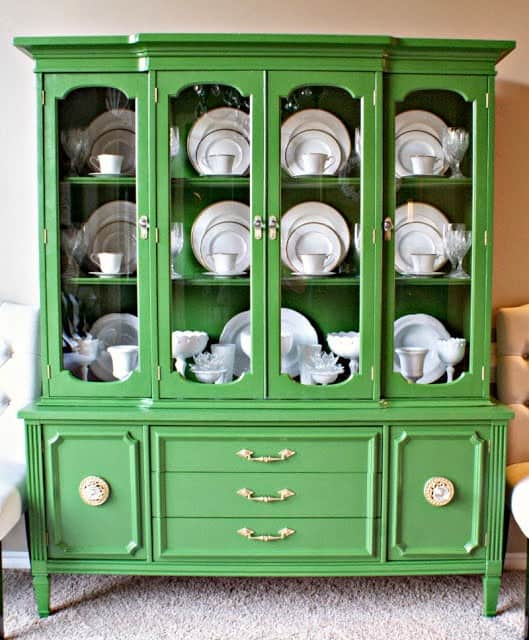
Use Symmetrical Plate Displays
Arrange plates standing upright on the outer shelves to achieve a clean, symmetrical look. This technique instantly creates order and elegance, especially when mirrored on both sides. For narrower shelves, choose smaller plates or teacups to maintain proportion and avoid overcrowding.
This approach works particularly well in cabinets with glass doors, where the visual rhythm of upright plates catches the eye. Even if your collection isn’t perfectly matched, similar shapes or tones can create a cohesive feel. Keep larger items toward the center and reserve the edges for lighter, smaller pieces.
Layer for Depth and Dimension
Place tea cups and saucers in front of your standing plates to add depth and dimension. This front-layering technique draws the eye inward and gives your display a sense of intimacy, like peeking into a carefully curated collection. Ensure handles face the same direction for a polished, intentional look.
You can also stack a small bowl atop a larger saucer or position a delicate vase in front of a platter. These micro-arrangements add richness without creating clutter. Just remember to leave breathing room between groupings; overcrowding diminishes the impact of each piece.
Group Items by Theme or Color
Clutter happens when items feel random. Combat this by grouping similar pieces together. A cluster of blue and white ginger jars, a trio of vintage teapots, or a set of hand-painted dessert plates each tells its own story while contributing to the overall composition.
Aim for 3 to 5 items per cluster. Fewer looks sparse; more becomes chaotic. Within each group, vary the heights of objects to create visual interest. Mixing textures, such as glossy ceramics with matte wood or woven baskets, adds another layer of richness.
Establish a Focal Point
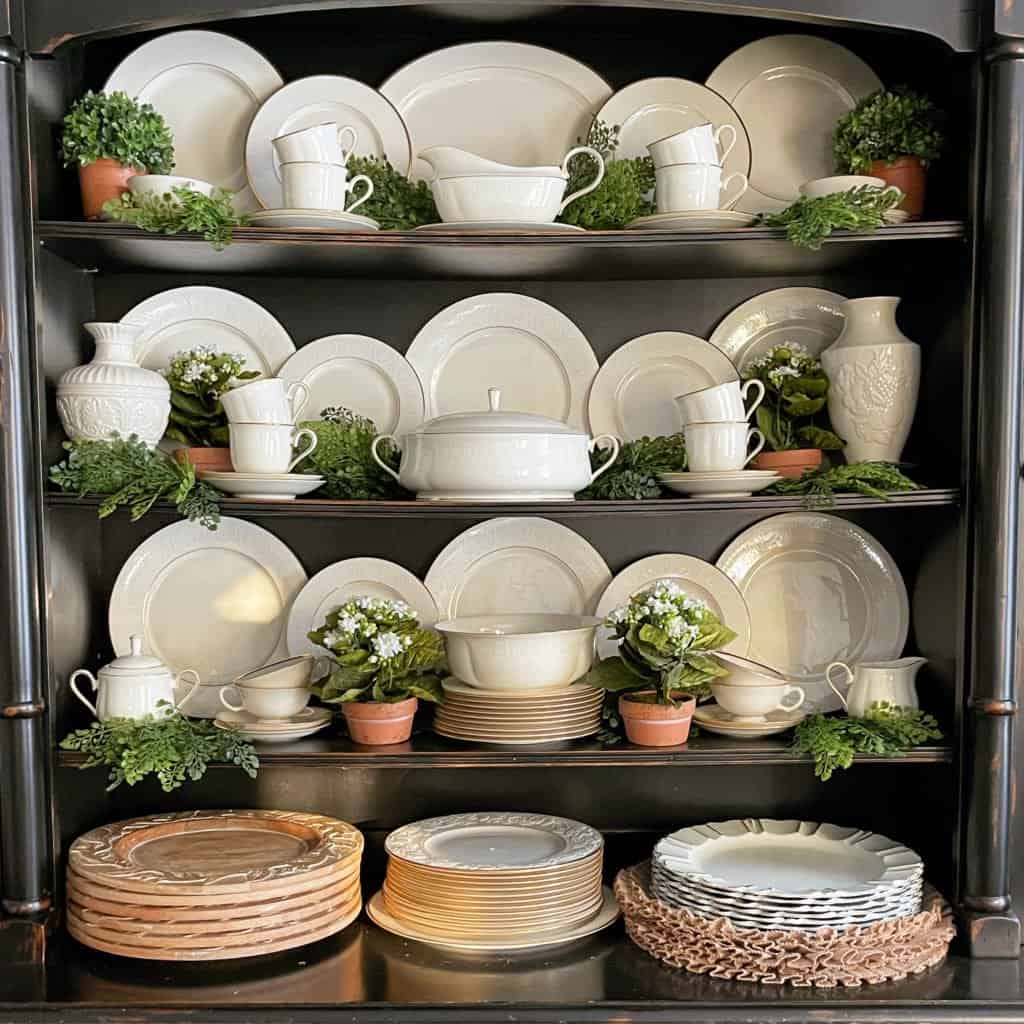
Center a Statement Platter
Place a large, decorative platter in the center of the top shelf to anchor the entire display. This becomes the natural resting point for the eye and ties the arrangement together. Choose a piece with bold color, an intricate pattern, or an unusual shape that reflects your personality.
If you don’t own a standout platter, consider investing in one. A classic blue and white ceramic piece works beautifully and never goes out of style. Position it slightly forward so it’s clearly visible rather than hidden behind other items.
Align with Your Room’s Design Center
Your china cabinet should function as a focal point in the dining room, not just within itself. Position it where it catches light and attention, such as opposite a window or adjacent to the dining table. This ensures it contributes to the room’s overall flow rather than feeling like an afterthought.
When arranging the cabinet, consider sightlines from common seating areas. Items should be visible from multiple angles, especially your centerpiece. Avoid blocking views with overly tall accessories unless that drama is part of your intended design.
Blend Traditional and Modern Styles

Mix Materials and Eras
Break the formality of traditional china by introducing unexpected elements. A sleek glass vase, a geometric metal sculpture, or a textured concrete bowl can add surprise and freshness. These contrasting pieces keep the display from feeling museum-like and instead make it feel lived-in and personal.
Try pairing vintage teacups with a contemporary candle holder in matte black, or place a mid-century ceramic figurine among your serving dishes. The juxtaposition highlights each piece’s uniqueness while creating a dynamic narrative.
Embrace Transitional Design
Transitional style, which blends classic and contemporary elements, is ideal for china cabinets. It honors tradition without rigidity. For example, display heirloom bone china alongside minimalist stoneware, or mix ornate silverware with simple linen napkins.
This balance works particularly well in homes with mixed decor styles. It allows the cabinet to feel timeless yet current, appealing across generations. Stick to a cohesive color palette, like cream, gray, and navy, to unify disparate pieces.
Coordinate Colors with Purpose

Build Around a Dominant Palette
Choose one or two dominant colors to unify your display. Blue and white is a classic choice, timeless, calming, and versatile. Use this scheme across ceramics, glassware, and textiles to create harmony throughout the cabinet.
Incorporate blue and white ginger jars, plates, or vases as both decorative accents and structural anchors. Even if you need to purchase a few new pieces, doing so with intention strengthens the overall aesthetic. These items also serve as conversation starters when guests admire your collection.
Extend the Theme to Table Settings
Carry your cabinet’s color story to the dining table. If your display features blue and white, use matching table linens, colored glassware, or patterned chargers during meals. This creates a seamless visual flow between storage and use.
For example, set the table with navy napkins folded inside white-rimmed plates, then add cobalt water glasses. The continuity makes your dining experience feel intentional and elevated. For seasonal changes, swap in green for spring or gold for holidays, but keep one consistent element, like white dishes, to maintain cohesion.
Style Each Shelf with Intention
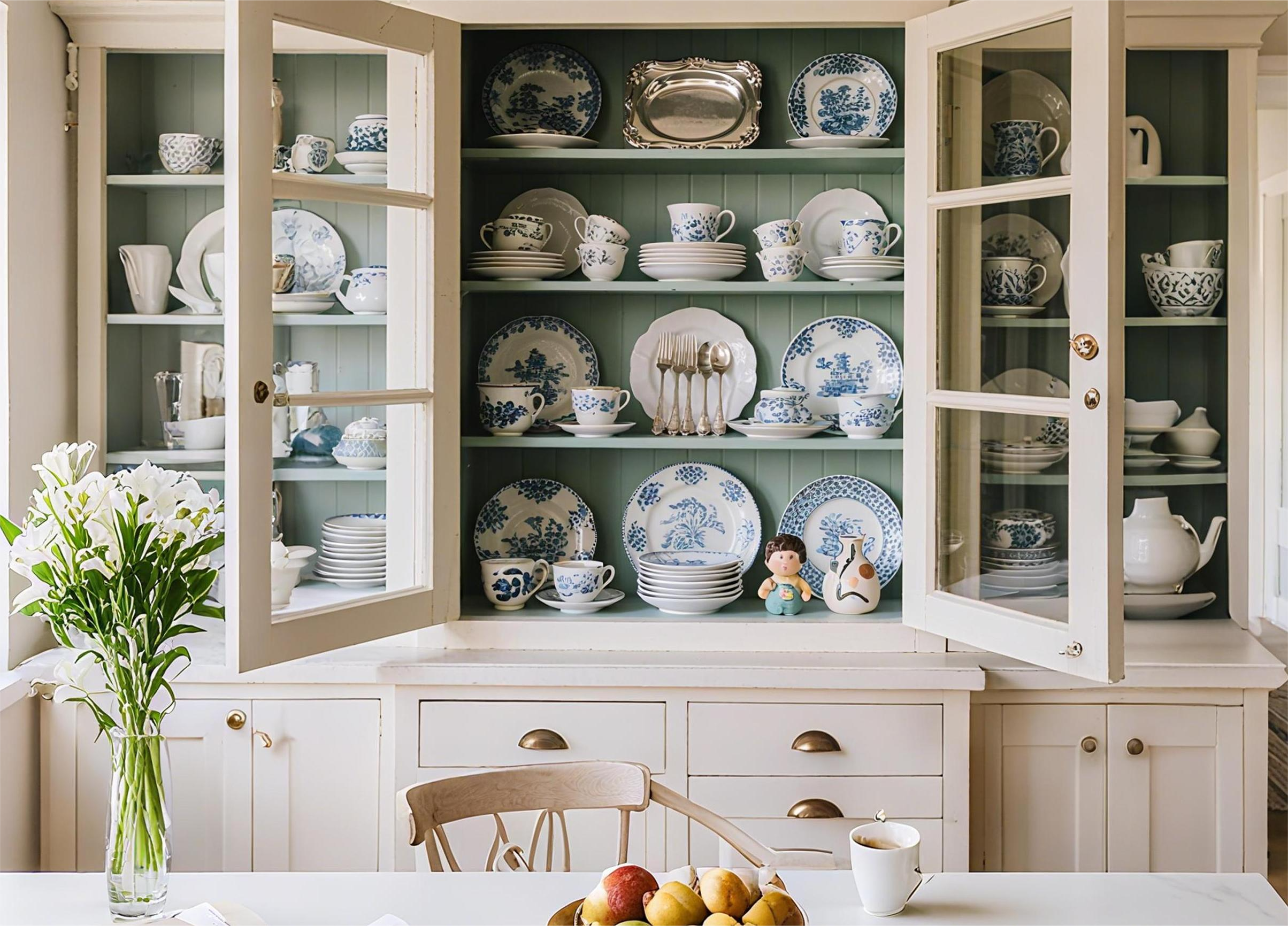
Top Shelf: Highlight the Centerpiece
Use the top shelf for your most dramatic pieces. The large central platter should be flanked by smaller, complementary items, perhaps a pair of candlesticks or delicate vases. Keep taller items centered or toward the back to avoid blocking views.
If your cabinet has glass doors, ensure the top shelf isn’t overcrowded. Light needs to pass through, and the eye should travel upward freely. Reserve this shelf for display only and avoid storing everyday items here.
Middle Section: Showcase Function and Form
The middle shelves are ideal for serving pieces and functional decor. Cream and sugar sets, gravy boats, punch bowls, and decorative boxes all work well here. Group these items together to maintain a curated appearance.
Keep frequently used pieces within easy reach. If you entertain often, place servingware here for quick access. Use small trays or risers to elevate certain items and create tiered displays. For instance, set a silver tray with a wine stopper and two crystal decanters.
Lower Shelves: Store and Style Strategically
Use lower shelves for heavier or less frequently used items. Stack dinner plates or store serving platters here, but leave space to breathe. Avoid treating this area as mere storage. Style it with a large basket, a wooden dough bowl, or a stack of coffee table books with decorative covers.
If the bottom cabinet has doors, consider adding pull-out trays or dividers to organize linens, napkin rings, or holiday dishes. This improves functionality while keeping the upper shelves focused on display.
Add Height and Texture
Incorporate Vertical Elements
Use candlesticks, bookends, or tall vases to break up horizontal lines and add visual height. These vertical accents draw the eye upward and prevent the display from feeling flat. Choose pieces in complementary colors, such as brass, black, or matte gray, which work well with most palettes.
Vary the heights within each grouping. One tall item paired with two medium ones creates a pleasing triangle composition. Avoid placing tall items directly in front of back lighting, as they may cast large shadows.
Mix Materials for Richness
Combine wood, metal, glass, and ceramic to create tactile interest. A wooden dough bowl with fruit, a brass candlestick, and a glass cloche over a teacup each bring different textures to the scene. This material mix prevents the cabinet from feeling too matchy-matchy.
Even if all your dishes are white, varying the containers and accessories keeps the display dynamic. Just ensure materials relate through tone. Warm woods pair well with gold accents, while cool glass complements silver.
Enhance with Lighting
Install LED Strip Lighting
Add LED strip lights inside the cabinet to illuminate your collection. Warm white LEDs, around 2700K to 3000K, mimic candlelight and enhance the warmth of wood and ceramics. Install them along the top inner edge or under shelves for a subtle, shadow-free glow.
For convenience, choose strips with a motion-sensor switch so lights turn on when you approach. This adds a luxurious touch and makes it easy to admire your display at night without flipping a wall switch.
Maximize Light with Mirrors
Use mirrored backs in the cabinet to reflect light and create the illusion of depth. This is especially effective in dim dining rooms. If your cabinet doesn’t have a mirrored back, consider adding adhesive mirror panels.
Additionally, hang a large rectangular mirror on the wall perpendicular to the cabinet. This reflects both natural and artificial light, making the space feel larger and brighter. It also doubles the visual impact of your display.
Upgrade with DIY Improvements
Refinish for a Fresh Look
Transform an outdated cabinet with a refinishing project. Begin by stripping the old finish using a chemical stripper, then sand down to bare wood. This ensures the new paint adheres properly.
Apply two coats of white chalk paint for a clean, timeless look. Once dry, seal with matte wax to protect the surface and add a soft sheen. This finish resists fingerprints and wipes clean easily, making it ideal for high-traffic areas.
Replace Hardware for Modern Appeal
Swap old knobs for modern black ceramic handles or brushed brass pulls. Hardware replacement is a low-cost upgrade with high visual return. Ensure consistent spacing and measure carefully, using a template for alignment.
Choose hardware that complements your overall decor. Vintage-style cup pulls suit a farmhouse look, while sleek bar handles work for modern spaces. This small change can shift the entire cabinet’s personality.
Improve Internal Organization
Add adjustable glass shelves for flexibility. As your collection grows or changes, you can reconfigure spacing to fit tall vases or stack multiple plates. This long-term versatility makes the cabinet more functional.
Install a pull-out tray for small items like coasters or napkin rings. Use dividers to protect delicate china and prevent shifting. These upgrades make the cabinet more practical without sacrificing style.
Coordinate with Room Decor
Hang Art Above the Cabinet
Place a single framed piece of art above the cabinet to create vertical continuity. Choose a bold, colorful print, whether abstract, botanical, or graphic, that complements your color theme but adds an artistic twist.
Avoid overcrowding; one strong piece is more effective than a gallery wall. Hang it 4 to 6 inches above the cabinet to maintain connection without crowding.
Mirror Placement for Space and Light
As mentioned, a large mirror on the adjacent wall reflects light and expands the room. Position it to catch natural light from a window or reflect the cabinet itself. This doubles the visual presence of your display and enhances the overall ambiance.
For a modern touch, choose a frameless or slim-black-framed mirror. In traditional spaces, an ornate gold or wood frame can echo vintage cabinet details.
Maintain and Refresh Regularly
Dust and Clean with Care
Wipe shelves and glass weekly with a microfiber cloth. Clean glass doors with a streak-free cleaner to keep displays visible. For delicate items, dust gently with a soft brush or compressed air.
Rotate seasonal items, swapping in holiday dishes or summer linens, to keep the cabinet feeling fresh. This also protects pieces from prolonged exposure to light.
Repair Scratches and Wear
Address wood scratches promptly. For light scratches, use a wood touch-up marker or wax stick matching the finish. Rub gently over the mark and buff with a soft cloth.
For deeper scratches, apply wood filler or a scratch repair kit designed for hardwoods. Once dry, lightly sand and finish with matching wood polish or sealant. Always use coasters and table protectors to prevent future damage, especially on adjacent dining tables.
Frequently Asked Questions About Decorating a China Cabinet
What items should I display in a china cabinet?
Display items that reflect your personality and style. Fine china, vintage glassware, handmade pottery, and sentimental pieces all work well. Mix in modern elements like glass vases or sculptural objects to keep the display feeling current and personal.
How do I arrange plates in a china cabinet?
Stand plates upright on outer shelves for a clean, symmetrical look. Use smaller plates on narrower shelves. Place tea cups and saucers in front of standing plates to add depth and dimension.
How can I make my china cabinet look modern?
Mix traditional pieces with unexpected items like modern glass vases, textured bowls, or bold sculptural pieces. Replace old hardware with modern black ceramic handles. Add LED strip lighting for a contemporary, glamorous touch.
What colors work best for a china cabinet display?
Blue and white is a classic, versatile choice. You can also build around any dominant palette that complements your room. Use one or two dominant colors to unify the display and extend that theme to table settings.
How do I organize shelves in a china cabinet?
Use the top shelf for a central statement platter and smaller complementary items. Reserve middle shelves for serving pieces and functional decor. Use lower shelves for heavier or less frequently used items, styled with baskets or decorative boxes.
How do I update an old china cabinet?
Refinish it with white chalk paint for a fresh look. Replace old knobs with modern handles. Add adjustable glass shelves and pull-out trays for better organization. Install LED lighting to enhance visibility and showcase your collection.
Key Takeaways for Decorating Your China Cabinet
Your china cabinet is more than storage; it’s a canvas for expressing your style. Start by creating visual balance with symmetrical plate displays and layered arrangements. Group items by theme or color to avoid clutter and establish a clear focal point, such as a large platter on the top shelf.
Blend traditional and modern elements to keep the display feeling personal and current. Extend your color palette to table settings for a seamless flow. Consider upgrades like LED lighting, mirrored backs, and new hardware to elevate the entire presentation.
Begin with a few well-chosen pieces and build slowly. Edit often, removing items that don’t contribute to the story. Use risers to elevate small pieces, add a touch of greenery, and always include items with sentimental value. With these strategies, your china cabinet will become a true centerpiece of your home, inviting admiration and conversation for years to come.


