
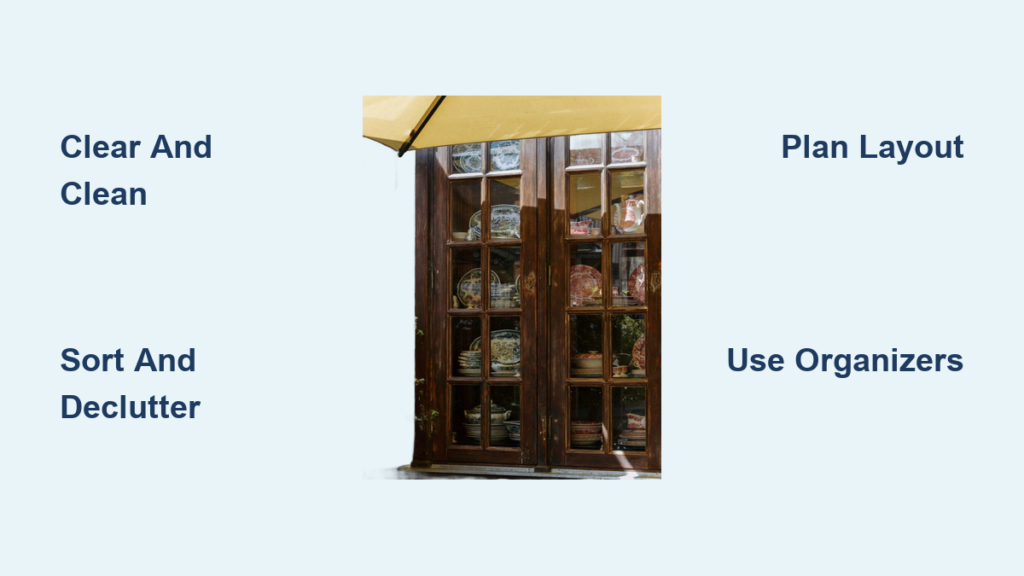
You open your china cabinet and see a jumble of mismatched plates, dusty teacups, and forgotten serving bowls. Sound familiar? Organizing a china cabinet doesn’t have to feel like a chore. It can be an opportunity to showcase your most cherished pieces while making them easy to use and enjoy.
Whether you’re preparing for holiday guests or simply want a more elegant dining space, a well-organized cabinet blends function and beauty. This guide walks you through every step from decluttering and planning to arranging, lighting, and maintaining your display.
Clear and Clean the Cabinet Before Restocking
Before placing a single plate, start with a blank slate to ensure a pristine foundation. Remove everything from the cabinet including dishes, decor, trays, and even removable shelves.
Wipe down all interior surfaces with a damp, non-abrasive cloth to remove dust and residue. Pay attention to corners, edges, and glass doors where grime accumulates over time.
Let all surfaces dry completely before restocking to prevent moisture damage. Introducing items to a damp cabinet can harm delicate china or metal flatware.
Remove Every Item for a Full Reset
Take out every single object even those you think you will keep. Seeing everything outside the cabinet helps you evaluate what you truly use and love. Place items on a clean table or counter where you can sort them easily.
Deep Clean All Interior Surfaces
Dust, grease, and fingerprints dull the shine of both your cabinet and its contents. Use a microfiber cloth for glass and a soft rag for wood surfaces. For stubborn spots, lightly dampen the cloth but never spray cleaner directly onto surfaces.
Sort and Declutter Your China Collection
Now that your cabinet is empty, it is time to decide what goes back in. Many people keep items just because, but a beautiful display only works when every piece earns its place.
Begin by sorting your dishes into categories like dinner plates, teacups, serving platters, and bowls. As you sort, ask yourself if you use the item, if it matches your style, or if it is damaged.
Keep Only What You Use or Love
Apply the joy and function rule to your collection. Keep items you either use regularly or that bring you genuine happiness when displayed. Let go of chipped mugs, outdated patterns, or duplicates you never reach for.
Remove Clutter-Generating Objects
Avoid overcrowding with knickknacks, excess vases, or old electronics like unused chargers. These distract from your china and make the cabinet feel chaotic. Store non-essential items elsewhere or donate them if they serve no purpose.
Reassess Your Inventory Regularly
Seasonal changes are perfect times to reevaluate your display. Rotate holiday pieces in and out and check for dust buildup. Regular reassessment keeps your cabinet functional and fresh throughout the year.
Plan Your Layout Strategically Before Arranging
A beautiful china cabinet isn’t accidental because it is designed with intention. Jumping straight to arranging often leads to imbalance or wasted space.
Sketch a quick layout on paper or use a free room-planning app to visualize shelf spacing. Consider sightlines to determine what is visible at eye level and what supports the flow of the room.
Create Strong Focal Points
Choose one or two standout pieces as centerpieces like a vintage tea set or heirloom platter. Position them at the center or slightly off-center for visual interest. Build the rest of the arrangement around these anchors.
Balance Symmetry and Traffic Flow
Symmetry feels classic and calming especially in formal dining rooms. Try mirroring items on either side of the center or use asymmetrical balance for a modern look. Ensure traffic flow isn’t blocked and the cabinet doesn’t obstruct natural light.
Group Items by Type and Function
A cluttered cabinet often results from random placement of various objects. Grouping creates order and makes items easier to find when you need them.
Organize by Occasion
Separate everyday dishes from formal or holiday sets immediately. Store daily-use items at accessible heights for quick retrieval. Reserve top shelves or glass-front displays for special occasion china you want to admire.
Categorize by Function
Keep like items together to streamline your serving process. Group dinner plates with dinner plates and teacups with saucers. This makes setting the table faster and reduces last-minute searching during meals.
Sort by Theme or Color
For visual harmony, group pieces by color palette or design theme. A monochrome display in soft blue or cream feels serene. If mixing patterns, stick to a consistent color story to avoid chaos.
Use Organizers for Stability and Style
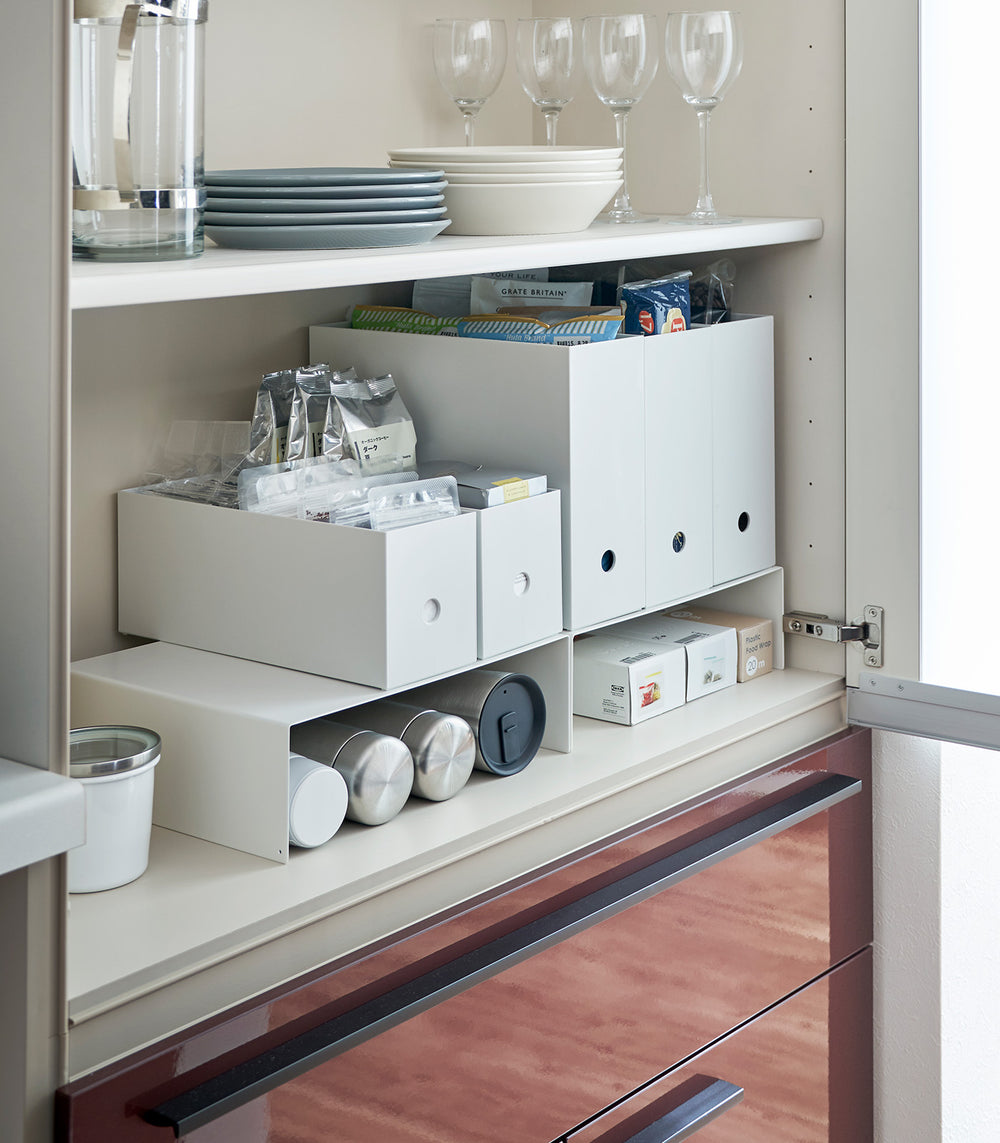
Smart tools make your cabinet safer and more attractive for long-term use. They prevent damage and add dimension to your display.
Install Shelf Risers and Dividers
Risers elevate smaller items so they’re visible behind larger ones. Place a riser under a teacup so it doesn’t disappear behind a platter. Dividers keep stacks of plates stable and prevent chipping during door closures.
Add Felt or Rubber Pads
Stick small felt pads under the base of vases, frames, or heavy pieces. These prevent scratching and slipping especially important on glass shelves. Use adhesive rubber dots under dish stacks for extra grip.
Use Decorative Trays and Stands
Place a small tray on a shelf to corral coasters, napkin rings, or spice jars. A tiered stand displays multiple teacups vertically, saving space and adding elegance. Choose trays that complement your china’s style.
Store Small Items in Labeled Bins
If your cabinet has closed lower cabinets, use them for non-display items. Store tablecloths, candles, or silverware in labeled bins so you can find things fast. Clear bins let you see contents without opening them.
Arrange from Large to Small Pieces

Follow a simple sequence to build a balanced, professional-looking display. This method ensures stability and visual weight distribution.
Start with Large Anchor Pieces
Place big items first such as platters, tureens, or tall vases on lower or middle shelves. These form the foundation of your design. Center a large serving bowl or position it slightly off-center for dynamic balance.
Add Medium-Sized Items Next
Fill in around anchors with medium pieces like salad plates, sugar bowls, or medium bowls. Vary heights and orientations for visual interest. Stack some plates and stand others on edge using plate holders for variety.
Finish with Small Accents
Top off the arrangement with delicate items like teacups, creamers, or small sculptures. Place them where they catch light or draw the eye. Avoid crowding so each piece stands out clearly.
Create Visual Balance and Proper Spacing
A packed cabinet feels stressful while a well-spaced one feels intentional. Proper spacing highlights the beauty of individual pieces.
Maintain Consistent Gaps
Leave 1–2 inches between items to prevent a cluttered look. This spacing makes cleaning easier and protects your collection. Items should not touch the glass doors when closed.
Avoid Overcrowding Shelves
If shelves look busy, remove a few items immediately. Less is often more in display design. Empty space highlights the beauty of individual pieces effectively.
Mix Heights and Orientations
Use plate stands to display favorite patterns vertically. Angle a teacup on a saucer or stack some dishes while fanning others out. Variation adds rhythm and keeps the eye moving across the display.
Enhance with Lighting and Seasonal Rotation
Even the best arrangement falls flat without proper lighting. A few strategic upgrades transform your cabinet into a focal point.
Install Soft Interior Lighting
Battery-powered LED puck lights or adhesive strips add warmth and highlight details. Place lights at the top or back of shelves to cast a gentle glow. Opt for warm white bulbs to enhance porcelain and glass.
Rotate Seasonal Displays
Keep your cabinet feeling fresh by rotating decor with the seasons. Use pastel plates for spring and rustic mugs for fall. Store off-season items in padded bins to protect them from damage.
Refresh Layout Every Few Months
Change up the layout periodically to maintain interest. Swap a platter to a different shelf or reverse the direction of stacked plates. Small changes renew interest without requiring a full overhaul.
Secure and Finalize the Display
Before closing the doors, double-check everything to ensure safety. A secure display prevents breakage and maintains your hard work.
Ensure Items Are Stable
Gently nudge each piece to test stability. Nothing should wobble or slide when touched. Re-position unstable items or add more padding as needed.
Check Door Clearance
Open and close the cabinet doors slowly to test clearance. Make sure no items are too close to the glass. Even light contact can cause scratches or breakage over time.
Add Final Personal Touches
Include one or two meaningful accents like a family photo or scented candle. These personalize the space but keep them minimal. They should not distract from the china itself.
Maintain Your Organized Cabinet Long Term
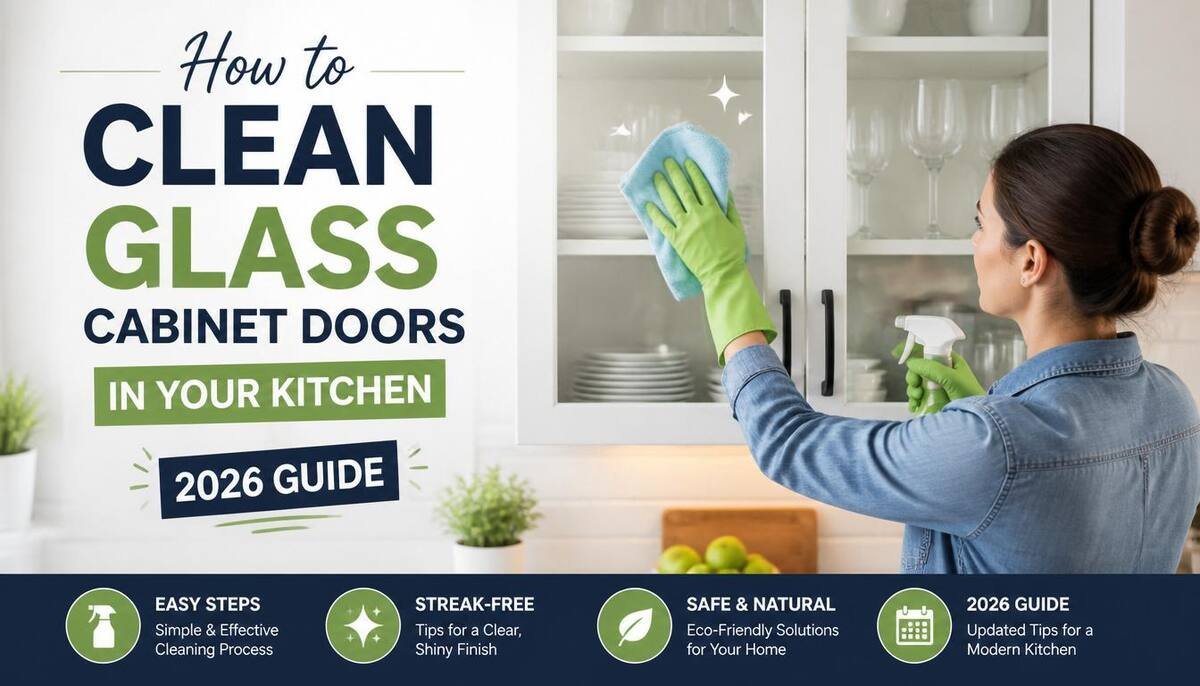
Organization isn’t a one-time task but requires regular upkeep. Consistent care keeps your cabinet looking its best for years.
Dust Weekly for Shine
Use a dry microfiber cloth to wipe shelves and items regularly. For glass, follow with a streak-free cleaner. Dusting prevents grime buildup that dulls shine.
Clean Items Before Returning
After use, wash and dry dishes thoroughly before putting them back. Never store damp china as it can develop mildew. Ensure items are completely dry to avoid water spots.
Reassess Every 3 to 6 Months
Schedule a quick refresh every few months to maintain order. Remove everything, clean the cabinet, and reevaluate your layout. This prevents clutter from creeping back in.
Protect Against Wear and Tear
Continue using felt pads and dividers for protection. They reduce friction and prevent micro-scratches that accumulate over time. Replace worn pads as needed to maintain safety.
Frequently Asked Questions About Organizing a China Cabinet
How often should I reorganize my china cabinet?
You should reassess your cabinet layout every three to six months. This regular schedule helps you rotate seasonal items and remove accumulated dust. It also ensures your display remains functional and fresh.
What is the best way to prevent plates from chipping?
Use shelf dividers and felt pads to separate and cushion your dishes. These tools keep stacks stable and prevent them from sliding during door closures. Proper spacing between items also reduces the risk of accidental contact.
Can I mix different patterns in my display?
Yes, you can mix patterns if you stick to a consistent color story. Grouping by a shared palette creates harmony despite different designs. This approach allows for variety without creating visual chaos.
How do I light my cabinet without electrical wiring?
Battery-powered LED puck lights or adhesive strips work perfectly for this purpose. Place them at the top or back of shelves for a gentle glow. Warm white bulbs enhance the look of porcelain and glass best.
Key Takeaways for Organizing a China Cabinet
Organizing a china cabinet transforms a cluttered space into a functional showcase. By clearing everything out, sorting with intention, and using strategic grouping, you create a display that honors your collection. Remember to use risers, pads, and proper lighting to protect and highlight your pieces.
Start your project today by removing every item and deep cleaning the interior. Plan your layout on paper before placing a single dish back inside. With regular maintenance and seasonal rotation, your cabinet will remain a stunning centerpiece for years to come.


