

Choosing the right bathroom cabinets can transform both the look and functionality of your space. With so many styles, materials, and configurations available, it’s easy to feel overwhelmed. But making a smart choice isn’t just about aesthetics—your bathroom cabinets need to withstand humidity, offer smart storage, and fit your space perfectly. Whether you’re remodeling or building from scratch, knowing how to choose bathroom cabinets is key to creating a bathroom that’s both beautiful and practical.
This guide walks you through every critical factor—from sizing and material durability to style coordination and budgeting. You’ll learn how to match cabinets to your layout, avoid common installation mistakes, and pick finishes that last. By the end, you’ll be equipped to make a confident, informed decision that enhances your bathroom for years.
Measure Your Space First
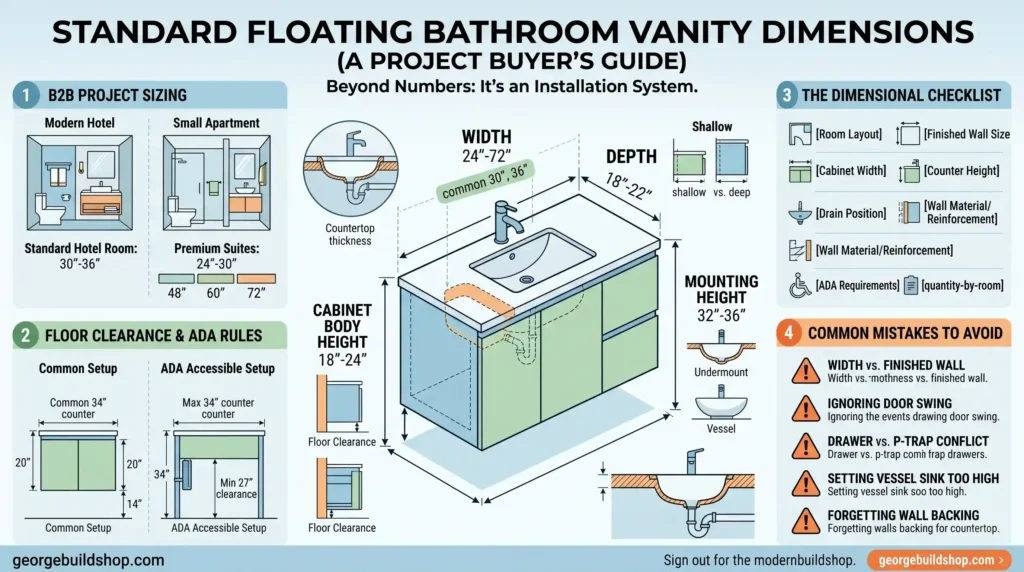
Before browsing styles or finishes, you need accurate measurements. The wrong cabinet size can throw off your entire layout, limit movement, or leave awkward gaps.
Check Clearance and Layout
Ensure at least 21 inches of clearance in front of the sink and vanity for comfortable use. If placing cabinets near a toilet, maintain 30 inches of side space. For smaller bathrooms, consider wall-mounted vanities to create a sense of openness.
Note Obstacles and Fixtures
Account for plumbing, windows, doors, and electrical outlets. Measure around pipes under the sink—some cabinets have pre-cut openings, while others may require custom modifications. If your faucet or shower is nearby, ensure cabinet doors won’t interfere when opened.
Choose Single vs. Double Vanity
A single cabinet works for powder rooms or compact spaces. For master bathrooms, a double vanity (72+ inches wide) offers dual storage and reduces morning congestion. Make sure the room can accommodate two sinks without crowding.
Pick Durable, Moisture-Resistant Materials

Bathrooms are high-humidity zones. Choosing the wrong material leads to warping, swelling, or mold growth.
Solid Wood with Proper Finish
Solid wood (like oak, maple, or cherry) offers durability and a premium look—but only if sealed correctly. Look for cabinets with water-resistant polyurethane or lacquer finishes. Avoid unfinished wood in humid climates.
Engineered Wood Options
Plywood and MDF (medium-density fiberboard) are cost-effective and stable. Plywood resists warping better than MDF and holds screws well. MDF provides a smooth surface for painted finishes but must be fully sealed to resist moisture.
Avoid Particleboard When Possible
Particleboard swells quickly when exposed to moisture. If your budget limits options, choose particleboard only if it has a waterproof coating and is used in low-humidity areas.
Match Style to Your Bathroom Design

Your cabinets set the tone for the entire bathroom. Choose a style that complements your fixtures, tile, and overall aesthetic.
Modern and Minimalist
Go for flat-panel doors, handleless designs, and neutral tones like matte gray, white, or black. Pair with floating vanities and integrated sinks for a sleek, uncluttered look.
Traditional and Classic
Opt for raised-panel doors, decorative molding, and warm finishes like cherry or espresso. Pair with marble counters and vintage-style faucets for a timeless feel.
Farmhouse and Rustic
Use distressed wood, open shelving, or freestanding cabinets with antique hardware. Reclaimed wood adds character and sustainability.
Decide Between Vanity Types
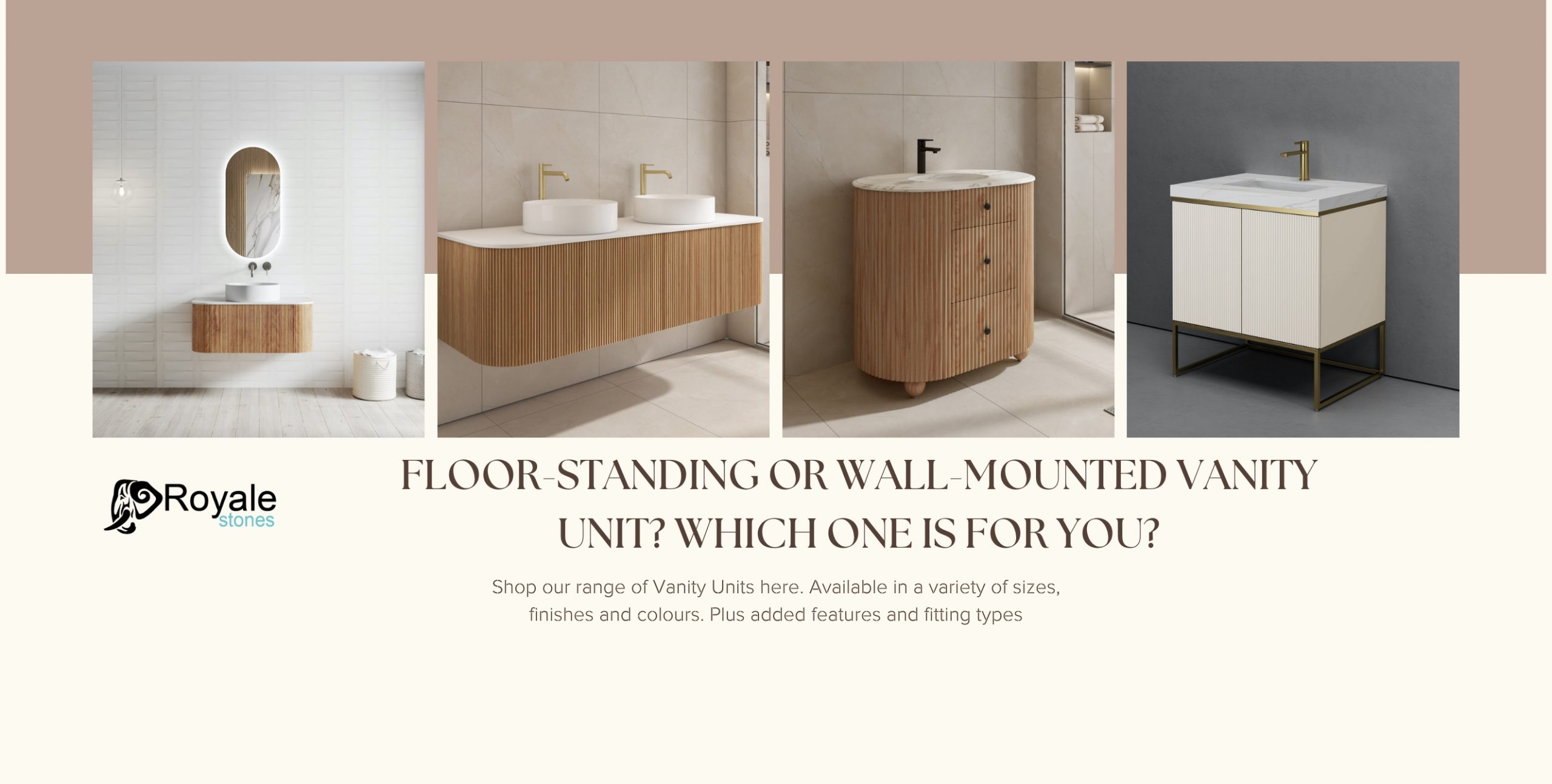
The type of vanity cabinet affects both function and space efficiency.
Freestanding Vanities
These stand on the floor and are easy to install. They come in a wide range of styles and are ideal for full bathrooms. Ensure the floor is level and can support the weight when filled.
Wall-Mounted (Floating) Vanities
These attach directly to the wall, creating a streamlined look and making cleaning easier. Ideal for small bathrooms. Requires secure wall studs or blocking for support—never mount on drywall alone.
Corner Vanities
Maximize unused space in tight layouts. Best for half-baths or guest bathrooms. Choose models with soft-close doors and efficient internal organizers.
Prioritize Storage and Organization
A well-organized vanity reduces countertop clutter and makes daily routines smoother.
Pull-Out Trays and Dividers
Look for cabinets with built-in organizers for makeup, brushes, or skincare. Adjustable shelves let you customize space as needs change.
Soft-Close Doors and Drawers
These prevent slamming and increase cabinet lifespan. Especially useful in homes with kids or high traffic.
Medicine Cabinet Integration
Pair your vanity with a recessed or mirrored medicine cabinet above for extra hidden storage. Great for storing medications, razors, and grooming tools.
Choose the Right Finish and Color
:max_bytes(150000):strip_icc()/3-MarshallProject9-31b64dcc02394f39a1d96f0fe93083a4.jpg)
Finish impacts both appearance and maintenance.
Painted Finishes
White and light gray are popular for brightening small spaces. High-gloss finishes reflect light but show fingerprints; eggshell or satin offer a balance of shine and ease of cleaning.
Natural Wood Stains
Highlight the grain and add warmth. Dark stains (walnut, espresso) hide wear better than light stains. Reapply sealant every few years to maintain protection.
Two-Tone Combinations
Use contrasting colors for base and wall cabinets—like navy base with white upper cabinets—to add depth and visual interest.
Set a Realistic Budget
Bathroom cabinets range from $200 to $3,000+ depending on size, material, and brand. Know your limits before shopping.
Budget-Friendly Options
Ready-to-assemble (RTA) cabinets from home improvement stores offer savings. Look for sales or floor models. Expect to spend $200–$600 for a standard 36-inch vanity.
Mid-Range Choices
Semi-custom cabinets ($600–$1,500) offer better materials, finishes, and storage options. Brands like Ikea, Home Depot’s Hampton Bay, or Lowe’s Aristokraft provide solid value.
High-End Custom Vanities
Fully custom cabinets ($1,500+) let you choose every detail—wood type, layout, hardware. Ideal for unique layouts or luxury renovations.
Verify Installation Requirements
Even the best cabinet fails if installed incorrectly.
Check Weight and Support Needs
Heavy solid wood or stone-top vanities require floor support and wall anchoring. Floating vanities must be mounted into studs—use a stud finder and follow manufacturer specs.
Plumbing Alignment
Ensure the cabinet’s sink cutout matches your faucet and drain setup. Measure from wall to center of drain. Adjustable legs or shims can help fine-tune positioning.
Professional vs. DIY Installation
Simple, freestanding vanities can be DIY-friendly. Floating or custom units often require a plumber and carpenter—especially if rerouting pipes or adding outlets.
Compare Brands and Warranties
Not all cabinets are built the same. Reputable brands offer better construction and longer warranties.
Top Brands to Consider
- Kohler: Durable construction, modern designs, 1-year warranty
- IKEA: Affordable, modular options, 10-year warranty on many products
- Bathroom Vanity Store (BVS): Wide online selection, solid wood options, 1-year warranty
- James Martin Vanities: Handcrafted, custom finishes, 1-year limited warranty
Warranty Red Flags
Avoid brands with no warranty or less than 1 year. Check if coverage includes warping, finish peeling, or hardware failure—common issues in humid environments.
Maintain and Protect Over Time
Even the best cabinets need care to last.
Wipe Spills Immediately
Water on seams or joints can seep in. Use a dry cloth daily, especially around the sink area.
Use Mild Cleaners
Avoid harsh chemicals or abrasive pads. A mix of warm water and mild soap is sufficient for most surfaces.
Re-Seal Annually
For wood cabinets, apply a fresh coat of sealant every 12–18 months, especially in high-humidity bathrooms.
Frequently Asked Questions About Choosing Bathroom Cabinets
What is the best material for bathroom cabinets?
Plywood is the most reliable choice for bathroom cabinets because it resists moisture and warping better than MDF or particleboard. Solid wood with a proper waterproof finish is also excellent, but it costs more. Avoid particleboard unless it has a full waterproof coating.
How much should I spend on bathroom cabinets?
Expect to pay $200 to $600 for budget-friendly ready-to-assemble options. Mid-range semi-custom cabinets run $600 to $1,500, while fully custom vanities start around $1,500. Your final cost depends on size, material, and brand.
Should I choose a freestanding or wall-mounted vanity?
Freestanding vanities are easier to install and work well in full bathrooms. Wall-mounted (floating) vanities save floor space and look modern, making them ideal for small bathrooms. Just ensure the wall has studs for secure mounting.
How do I measure for a new bathroom vanity?
Measure the width, depth, and height of your available space. Leave at least 21 inches of clearance in front of the sink and 30 inches beside a toilet. Also measure around plumbing pipes and note any obstacles like windows or outlets.
What finish is easiest to maintain?
Satin or eggshell painted finishes balance shine with easy cleaning. Dark natural stains like walnut or espresso hide wear well. High-gloss finishes look sleek but show fingerprints and water spots more readily.
How long should bathroom cabinets last?
With proper care and quality materials, bathroom cabinets can last 15 to 25 years. Re-seal wood finishes every 12 to 18 months, wipe spills immediately, and use mild cleaners to extend their lifespan.
Key Takeaways for Choosing Bathroom Cabinets
Choosing bathroom cabinets is a balance of form, function, and durability. By measuring carefully, selecting moisture-resistant materials, and matching style to your space, you’ll create a bathroom that’s both beautiful and built to last. Prioritize quality over trends, and invest in features like soft-close hardware and smart storage—they make a daily difference.
Start your project by measuring your space and setting a realistic budget. Then compare materials and brands with confidence, knowing that a well-chosen vanity will serve you for decades. Your bathroom deserves cabinets that work as hard as you do.


