
You’re not alone if you’ve ever slammed a cabinet shut, only to wince at the noise. Traditional cabinets that slam are more than just annoying; they can wear out hinges, damage cabinet boxes, and disrupt a peaceful home. The solution is soft-close cabinet upgrades. Whether you’re remodeling your kitchen or simply want to reduce noise and increase durability, learning how to make cabinets soft close is a smart, cost-effective upgrade that boosts both function and value.
The good news is you don’t need to replace your entire cabinet system. Most soft-close retrofits involve replacing hinges or drawer slides with soft-close versions. These modern mechanisms use built-in dampers to gently slow the door or drawer just before closing, eliminating the slam for good. With basic tools and a little time, you can transform noisy cabinets into smooth, silent performers.
This guide walks you through every step, from choosing the right hardware to installing soft-close hinges and drawer slides, so you can complete the job confidently and correctly.
Choose the Right Soft-Close Hinges

Not all cabinets are the same, and neither are soft-close hinges. Selecting the correct type ensures a proper fit and smooth operation.
Identify Your Cabinet Type
Cabinets come in two main styles: frameless (European-style) and face-frame (American-style) . Frameless cabinets have doors that mount directly to the side of the box, while face-frame cabinets have a built-in wooden frame around the front. Your cabinet type determines which hinge will work.
- Frameless cabinets typically use 35mm concealed cup hinges.
- Face-frame cabinets may use partial overlay, full overlay, or inset hinges, depending on how the door sits over the frame.
Check your existing hinge to determine size and style before buying replacements.
Measure the Hinge Cup Diameter
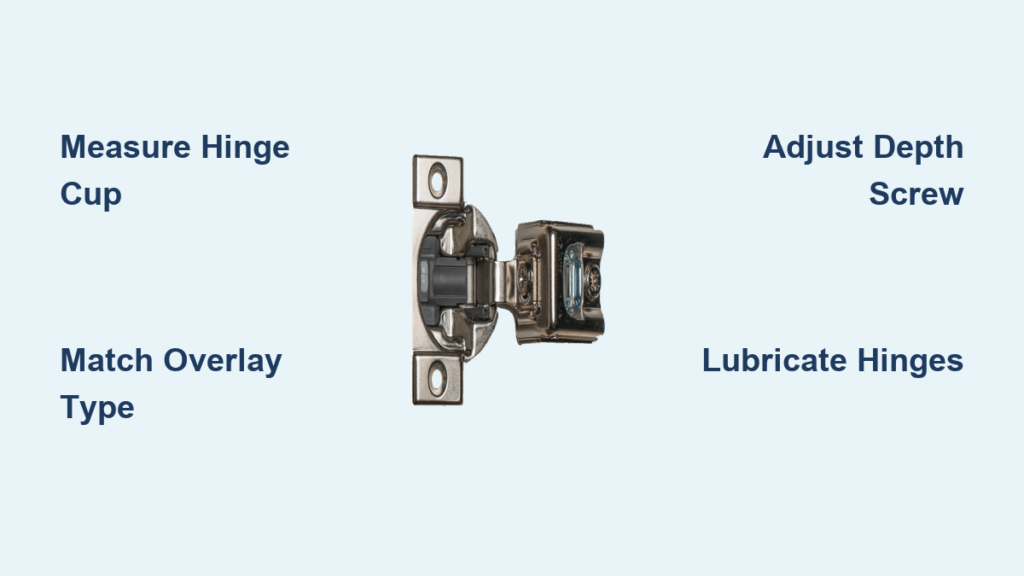
Most soft-close hinges use a standard 35mm (1-3/8″) cup, but always verify. Remove an existing hinge and measure the round part that fits into the door; this is the hinge cup. If it’s 35mm, you’re in luck because soft-close replacements are widely available.
Also note the mounting plate style (standard, high, or low arm) to match door alignment and clearance.
Pick the Right Overlay Type
The overlay refers to how much the door covers the cabinet frame when closed. Matching this ensures your new doors align properly.
- Standard overlay: Door covers most of the frame, common in older kitchens.
- Full overlay: Door nearly covers the entire frame, often used in modern designs.
- Inset: Door sits flush inside the frame, requiring precise soft-close inset hinges.
Choose soft-close hinges labeled for your specific overlay to avoid misalignment.
Install Soft-Close Cabinet Door Hinges
Upgrading hinges is the most common way to make cabinet doors soft close. Follow these steps for a seamless installation.
Remove Old Hinges
Open the cabinet door fully. Use a screwdriver or drill to remove screws from both the door and cabinet side. Carefully detach the door and set it aside on a soft surface to avoid scratches.
Leave the mounting plate (on the cabinet) in place if it’s compatible with your new soft-close hinge. If not, unscrew and remove it.
Attach the New Soft-Close Hinge
Place the new soft-close hinge into the hole on the back of the cabinet door. It should snap securely into the 35mm cup. Tighten the hinge screw using a hex key or screwdriver. Don’t overtighten, as plastic inserts can crack.
Ensure the hinge arm moves freely and the damping mechanism activates when pressed.
Mount the Door to the Cabinet
Align the hinge’s mounting plate with the holes in the cabinet side. Insert and tighten the screws just enough to hold, leaving some wiggle room for adjustment.
Repeat for all hinges on the door. Most doors require two hinges; taller doors may need three.
Adjust for Perfect Alignment
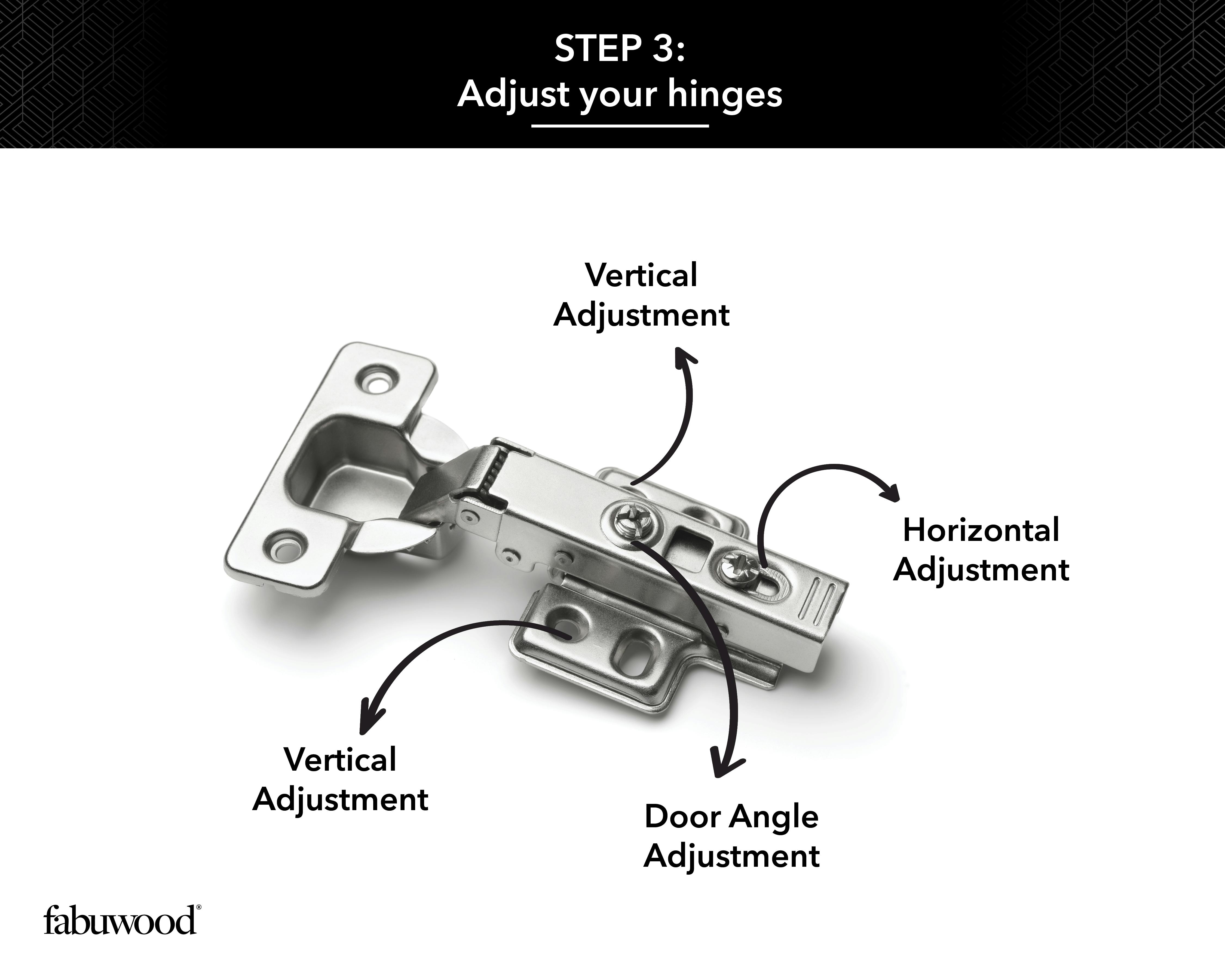
Once all hinges are mounted, open and close the door to test. Use the three-way adjustment screws on the hinge to fine-tune:
- Horizontal: Shift door left or right.
- Vertical: Move door up or down.
- Depth: Adjust how far the door sits from the cabinet.
Turn screws in small increments, usually 1/8 turn at a time, until the door sits flush and closes smoothly.
Upgrade Drawer Slides to Soft Close
Drawers that slam shut also benefit from soft-close technology. Replacing old slides is straightforward if you match the type and length.
Measure Existing Drawer Slides
Pull the drawer out fully. Look for length markings stamped on the side of the slide; common sizes are 12″, 14″, 16″, 18″, and 20″. If no markings exist, measure from front to back.
Also note the mounting style: undermount, side-mount, or center-mount. Most kitchen drawers use side-mount slides, which attach to the drawer’s side and the cabinet wall.
Remove Old Slides
Empty the drawer. Pull it out until it stops. Look for a release tab or lever on the old slide and press it to disengage the drawer.
Unscrew the cabinet-side portion of the old slide. Repeat for the other side.
Remove any remaining hardware from the drawer side.
Install New Soft-Close Drawer Slides
Attach the cabinet-side rail first. Align it with the pre-drilled holes or use a template if provided. Screw it in place, ensuring it’s level and at the correct height.
Now attach the drawer-side rail. Most soft-close slides come in two pieces: one for the cabinet, one for the drawer. Follow the manufacturer’s instructions for precise alignment.
Reconnect and Test the Drawer
Slide the drawer back into the cabinet until you hear a click; this means the two slide parts have engaged.
Open and close the drawer slowly. It should glide smoothly and automatically slow down in the last few inches, closing silently.
If the drawer sticks or doesn’t self-close, check alignment. Adjust the mounting screws slightly until operation is smooth.
Troubleshoot Soft-Close Issues
Even with careful installation, soft-close hardware can have hiccups. Here’s how to fix common problems.
Door Doesn’t Close Completely
If the door stops short, the hinge may not be adjusted deep enough. Use the depth adjustment screw to push the door farther into the cabinet.
Also check for obstructions, like crooked shelves or misaligned drawers, that could block the door.
Drawer Won’t Self-Close
Soft-close drawers rely on tension to pull them shut. If the drawer stops halfway:
- Ensure the slide is fully engaged.
- Check that both sides are mounted at the same height.
- Clean the slide tracks; dust or grease can reduce performance.
If the issue persists, the slide may be defective, so replace it.
Noisy or Stiff Operation
A squeaky or stiff hinge or slide often needs lubrication. Use a dry PTFE lubricant (like WD-40 Specialist Dry Lube) on moving parts.
Avoid oil-based lubricants because they attract dust and grime over time.
Hinge Squeaks When Moving
Some soft-close hinges have a rubber bumper that can stick. Apply a tiny amount of silicone-based lubricant to the damping piston.
Also ensure the hinge is securely tightened; loose screws can cause vibration and noise.
Maintain Soft-Close Hardware
Proper care keeps soft-close cabinets working quietly for years.
Clean Slides and Hinges Regularly
Wipe down drawer slides and hinge mechanisms every few months. Use a damp cloth to remove grease and debris, especially in kitchens.
For deeper cleaning, remove drawers and use a soft brush to clear dust from slide tracks.
Tighten Loose Screws
Over time, screws can loosen from daily use. Check hinge and slide screws every 6 to 12 months and tighten as needed.
Use the correct screwdriver size to avoid stripping screw heads.
Inspect for Wear
Look for signs of wear: cracked hinge cups, bent slide rails, or uneven door alignment. Replace damaged parts immediately to prevent further damage.
Soft-close mechanisms last 50,000+ cycles, but heavy use may shorten lifespan.
When to Replace vs. Retrofit
Sometimes, upgrading hardware isn’t enough. Know when a full cabinet replacement makes more sense.
Retrofit When:
- Cabinet boxes are in good condition.
- Doors and drawers are solid and level.
- Hinge and slide holes aren’t stripped or oversized.
Retrofitting saves money and labor while delivering modern performance.
Replace When:
- Cabinet frames are warped, water-damaged, or sagging.
- Screw holes are stripped and can’t hold new hardware.
- You’re changing the layout or style.
In full renovations, consider soft-close cabinets as a standard feature.
Frequently Asked Questions About Making Cabinets Soft Close
Can I make my existing cabinets soft close without replacing them?
Yes, you can retrofit most cabinets with soft-close hinges and drawer slides. This involves swapping out the existing hardware for soft-close versions, which is a straightforward DIY project.
How much does it cost to make cabinets soft close?
The cost varies by hardware quality and quantity. On average, soft-close hinges cost $3 to $8 each, and soft-close drawer slides range from $10 to $30 per pair. A typical kitchen upgrade may cost $100 to $300.
Do soft-close hinges fit all cabinets?
Most soft-close hinges fit standard 35mm hinge cups, but you need to match the overlay type and mounting plate style. Check your cabinet type and existing hinge measurements before purchasing.
How long do soft-close mechanisms last?
Quality soft-close hinges and slides are rated for 50,000+ cycles, which equals many years of daily use. Regular maintenance, like cleaning and tightening screws, can extend their lifespan.
Can I add soft-close to drawers without replacing slides?
No, soft-close functionality is built into the slide mechanism. You must replace standard drawer slides with soft-close versions to achieve the damping effect.
Why is my soft-close cabinet door not closing all the way?
The depth adjustment screw on the hinge likely needs adjustment. Turn it to push the door closer to the cabinet, and check for obstructions like misaligned shelves or drawers.
Key Takeaways for Making Cabinets Soft Close
Making cabinets soft close is a practical upgrade that enhances comfort, durability, and home value. The process is simple: choose compatible hardware, install it carefully, and maintain it regularly.
- Match your hardware: Identify cabinet type, hinge cup size, and overlay before buying.
- Install with precision: Adjust hinges and slides for perfect alignment and smooth operation.
- Troubleshoot and maintain: Address issues like sticking drawers or squeaky hinges promptly.
Your next step is to measure your existing hinges and slides, then order soft-close replacements. With basic tools and this guide, you’ll have a quiet, polished kitchen in no time.


