

Kitchen cabinets are one of the most important investments in your home. They hold your dishes, define your kitchen’s style, and take a beating from daily use. If you’re wondering how long do kitchen cabinets last, the honest answer is that it depends on several factors, but most homeowners can expect anywhere from 10 to 50 years of service.
The lifespan of your cabinets hinges on material quality, construction methods, and how well you maintain them. In this guide, you’ll learn what affects cabinet durability, warning signs that replacement is needed, and practical steps to maximize the life of your investment.
Material Quality and Cabinet Lifespan
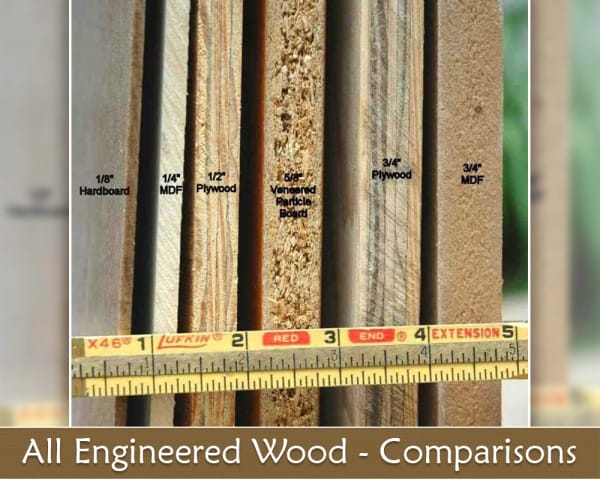
The materials used to build your cabinets are the single biggest factor in determining their longevity. Not all cabinets are created equal, and the differences are significant.
Solid Wood Cabinets
Solid wood is the gold standard for cabinet durability. Oak, maple, cherry, and hickory are common choices that can last 30 to 50 years or more. These cabinets can be sanded and refinished multiple times, making them a true long-term investment. If you purchase solid wood cabinets, you may never need to replace them during your time in the home.
Plywood Construction
Plywood cabinets offer a strong middle ground between cost and durability. They typically last 20 to 30 years with proper care. Plywood resists warping better than particleboard and holds screws more securely, which means hinges and drawer slides stay attached longer.
Particleboard and MDF
Stock cabinets often use particleboard or medium-density fiberboard (MDF). These materials are affordable but degrade faster, especially when exposed to moisture. Expect 10 to 20 years of service, and be aware that water damage can ruin them much sooner. The biggest weakness is the edges, which absorb moisture and swell over time.
Thermofoil and Laminate Finishes
These cabinets feature a plastic or resin coating over engineered wood. They resist scratches and stains well, but the finish can peel or bubble in humid environments. Once the protective layer fails, the underlying material deteriorates quickly. Typical lifespan ranges from 10 to 20 years.
Construction Quality and Installation Impact
How cabinets are built and installed matters almost as much as the materials themselves.
Joinery and Assembly Methods
Cabinets with dovetail joints, solid backs, and thick side panels last significantly longer than those held together with staples or cheap fasteners. Fully assembled cabinets generally outperform ready-to-assemble (RTA) models because they’re built with more robust methods and better quality control.
Professional Installation Matters
Proper installation ensures cabinets remain level, secure, and free from unnecessary stress. Poor mounting leads to sagging, misaligned doors, and damaged hinges over time. A professional installation might cost more upfront, but it protects your investment for decades.
Daily Wear and Environmental Factors
Your habits and kitchen environment play a huge role in cabinet longevity.
Usage Patterns
Households with frequent cooking, large families, or heavy cabinet traffic will see faster wear. Slamming doors, overloading shelves, and repeated opening and closing all contribute to hinge failure and loose joints. Simple habits like closing doors gently can extend cabinet life significantly.
Moisture and Humidity
Kitchens are naturally humid environments. Cooking steam, boiling water, and dishwashing all add moisture to the air. Without proper ventilation, humidity can warp wood, swell engineered materials, and promote mold growth. The area under sinks and near dishwashers is especially vulnerable. Always address leaks immediately, as even small drips can silently destroy cabinet bases.
Sunlight and Temperature Changes
Direct sunlight fades cabinet finishes and dries out wood, leading to cracking over time. Extreme temperature fluctuations cause materials to expand and contract, which loosens joints and causes doors to misalign. Using curtains or blinds can protect your cabinets from UV damage.
Warning Signs Your Cabinets Need Replacement
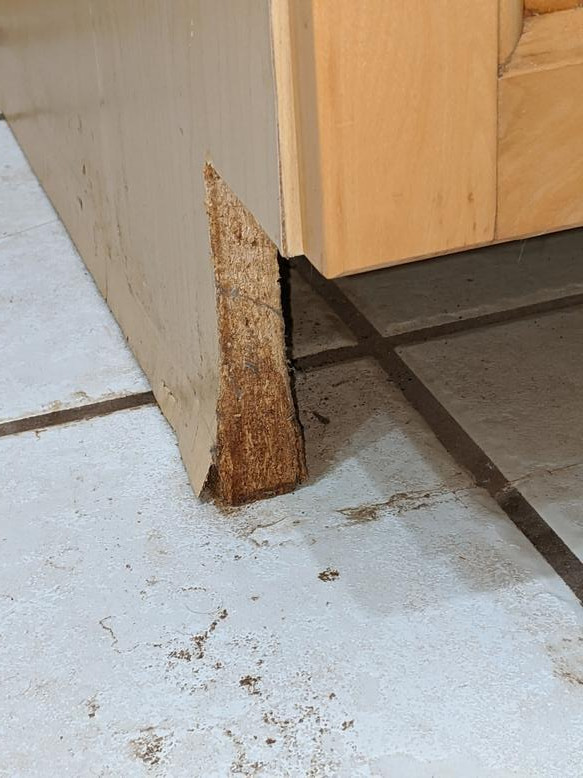
Even the best cabinets eventually show their age. Here’s what to look for.
Warping and Swelling
If panels bulge, twist, or feel soft to the touch, water damage is likely. This is most common under sinks or near leaky appliances. Once particleboard or MDF swells, it cannot be repaired.
Doors and Drawers That Stick or Sag
Misaligned doors, drawers that jam, or hinges that won’t stay adjusted suggest structural failure. While minor adjustments can help, persistent problems often mean the cabinet box itself is compromised.
Surface Peeling and Cracking
Peeling thermofoil, bubbling laminate, or cracking paint exposes the underlying material to moisture. Once deterioration starts, it accelerates quickly. This is both a cosmetic issue and a structural concern.
Loose Joints and Failing Fasteners
If screws no longer hold, corners are separating, or shelves sag under light loads, the cabinet’s structural integrity is weakening. These issues often indicate that replacement is the most practical option.
Persistent Odors or Mold
A lingering musty smell or visible mold growth inside cabinets signals hidden moisture. This presents health risks and typically requires replacement, especially if mold has penetrated the material.
Stock, Semi-Custom, and Custom Cabinet Lifespans
The tier of cabinets you choose affects both cost and longevity.
Stock Cabinets: 10 to 20 Years
Stock cabinets are pre-made in standard sizes and available at big-box home improvement stores. They typically use particleboard or MDF with laminate or thermofoil finishes. They’re affordable and quick to install, but they offer the shortest lifespan and limited customization. These work well for rentals or homes you plan to sell within a few years.
Semi-Custom Cabinets: 20 to 30 Years
Semi-custom cabinets are made to order with some size and finish options. They typically feature better plywood boxes and solid wood doors. This tier offers a solid balance of cost and quality, with better hardware and construction than stock options. They’re ideal for homeowners planning to stay in their home for a decade or more.
Custom Cabinets: 30 to 50 Plus Years
Custom cabinets are fully tailored to your space and preferences. They’re built with solid wood, dovetail joints, and premium finishes. This tier offers the longest lifespan and can be repaired or refinished as needed. While they’re the most expensive option, their durability often makes them the most economical choice over time.
Refacing vs. Full Replacement

When cabinets are worn but structurally sound, refacing can extend their life without the cost of full replacement.
Cabinet Refacing: Adds 10 to 20 Years
Refacing involves replacing doors and drawer fronts while applying new veneer to existing cabinet boxes. This costs roughly 40 to 60 percent of full replacement and can add 10 to 20 years of service. It’s an excellent option when your cabinet boxes are solid but the visible surfaces are damaged or outdated.
Full Replacement: Fresh Start
Full replacement removes everything and installs new cabinets. This allows layout changes, better materials, and modern storage solutions. It’s the right choice when cabinet boxes are damaged, water issues exist, or you’re planning a major kitchen redesign.
Cost Per Year: The Economic Perspective
Looking at cost per year of use helps clarify the value of higher-quality cabinets.
| Cabinet Type | Average Cost | Expected Lifespan | Cost Per Year |
|---|---|---|---|
| Stock | $2,000 to $6,000 | 10 to 20 years | $100 to $600 |
| Semi-Custom | $8,000 to $15,000 | 20 to 30 years | $270 to $750 |
| Custom | $15,000 to $30,000+ | 30 to 50+ years | $300 to $1,000 |
While custom cabinets require a larger upfront investment, their lower annual cost makes them economical for long-term homeowners.
Practical Tips to Extend Cabinet Life
Simple, consistent care can add years to any cabinet set.
Control Humidity
Use exhaust fans while cooking and boiling water. Consider a kitchen dehumidifier in damp climates. Wipe up spills immediately, especially under sinks.
Avoid Overloading
Distribute weight evenly across shelves. Heavy pots, appliances, and stacked items strain joints and cause sagging. Use pull-out shelves or organizers to reduce stress on cabinet boxes.
Clean Gently
Use a soft cloth and mild cleaner, like dish soap and water, on cabinet surfaces. Avoid harsh chemicals and abrasive scrubbers that strip finishes.
- For wood cabinets: Apply wood-safe polish every few months.
- For thermofoil: Wipe with a damp cloth and avoid steam or ammonia-based cleaners.
Maintain Hardware
Inspect hinges, drawer slides, and screws every 6 to 12 months. Tighten loose fittings and replace worn hardware early before it damages the cabinet box.
Address Leaks Immediately
A dripping faucet or dishwasher leak can silently destroy cabinet bases. Fix plumbing issues as soon as they’re noticed to prevent costly damage.
Frequently Asked Questions About Kitchen Cabinet Lifespan
What is the average lifespan of kitchen cabinets?
Most kitchen cabinets last between 10 and 50 years. Stock cabinets with particleboard construction typically last 10 to 20 years, while solid wood custom cabinets can last 30 to 50 years or more with proper care.
Do expensive cabinets last longer?
Generally, yes. Higher-priced cabinets use better materials and construction methods, which translates to longer lifespans. Custom solid wood cabinets can last decades longer than budget stock options.
Can I extend the life of my existing cabinets?
Yes. Regular cleaning, humidity control, avoiding overloading, and promptly addressing leaks can add years to your cabinets’ lifespan. Refacing is also an option for structurally sound cabinets.
Is it worth refacing cabinets instead of replacing them?
Refacing costs 40 to 60 percent of full replacement and can add 10 to 20 years of life. It’s worth it when cabinet boxes are solid but surfaces are worn or outdated.
How do I know if my cabinets need replacement?
Signs include warping, swelling, doors that stick or sag, peeling surfaces, loose joints, and persistent mold. If multiple issues exist or water damage is extensive, replacement is the practical choice.
What type of cabinet lasts the longest?
Solid wood custom cabinets with dovetail joints and premium finishes last the longest, often 30 to 50 years or more. They can also be refinished multiple times, extending their life further.
Key Takeaways for Maximizing Cabinet Longevity
Kitchen cabinets are a significant investment, and their lifespan depends largely on the choices you make. Material quality, construction methods, and daily maintenance are the three most important factors in determining how long do kitchen cabinets last.
Solid wood cabinets offer the longest service life, while stock models serve well in short-term scenarios. Regular cleaning, humidity control, and prompt repairs can add years to any cabinet set. When replacement becomes necessary, consider refacing if the structure is sound.
Whether you’re choosing new cabinets or maintaining existing ones, focus on durability and consistent care. Your kitchen will remain functional, beautiful, and cost-effective for years to come. Start by inspecting your current cabinets today and addressing any minor issues before they become major problems.


