

Glass cabinet doors that rattle can turn a peaceful kitchen into a source of constant irritation. Every footstep, closing drawer, or passing truck can set the glass vibrating against the frame. If you’ve recently refinished your cabinets, you may have noticed new gaps or warping that make the problem worse. The good news is that rattling is fixable, and most solutions take less than an hour to complete.
This guide walks you through every step of diagnosing and eliminating rattling glass cabinet doors. You’ll learn how to tighten loose hardware, add cushioning, correct alignment issues, and prevent the problem from returning. By the end, your cabinet doors will close quietly and stay shut.
Identify the Source of Rattling
Before you can fix the problem, you need to know exactly where the noise comes from. Rattling typically has one or more causes, including loose hinges, poor door fit, unstable cabinet frames, or missing cushioning. Start by gently shaking each door while it’s closed. Listen carefully and feel for movement at the hinge points, the latch area, or across the entire door panel.
Check Hinge Tightness
Loose hinges are the number one cause of rattling glass cabinet doors. Screws work themselves loose over time, especially with daily use or seasonal wood expansion. Grab a screwdriver or hex key and tighten every hinge screw, both on the door side and on the cabinet frame side.
If you find stripped screw holes, don’t panic. Remove the screw, insert a wooden toothpick or matchstick coated in wood glue, and snap it flush with the surface. Wait for the glue to dry, then reinsert the screw. This trick restores grip and keeps the hinge firmly anchored.
Examine Door Alignment
A door that doesn’t sit flush will leave gaps where vibration can occur. Open and close each door slowly and watch how it meets the frame. If one corner sits higher or the latch doesn’t catch evenly, adjust the hinge screws.
Most modern cabinet hinges include micro-adjustment screws for vertical, horizontal, and depth positioning. Turn these screws in small increments to shift the door into perfect alignment. Test the door after each adjustment to see if the rattling stops.
Inspect Mounting Frame Stability
Sometimes the door is fine, but the cabinet itself moves. Check the screws that secure the cabinet to the wall. Gently shake the entire unit and listen for creaks or movement. If the cabinet shifts, tighten the wall anchors or add extra support brackets. A stable cabinet body prevents vibrations from transferring to the glass.
Upgrade or Adjust Door Catches
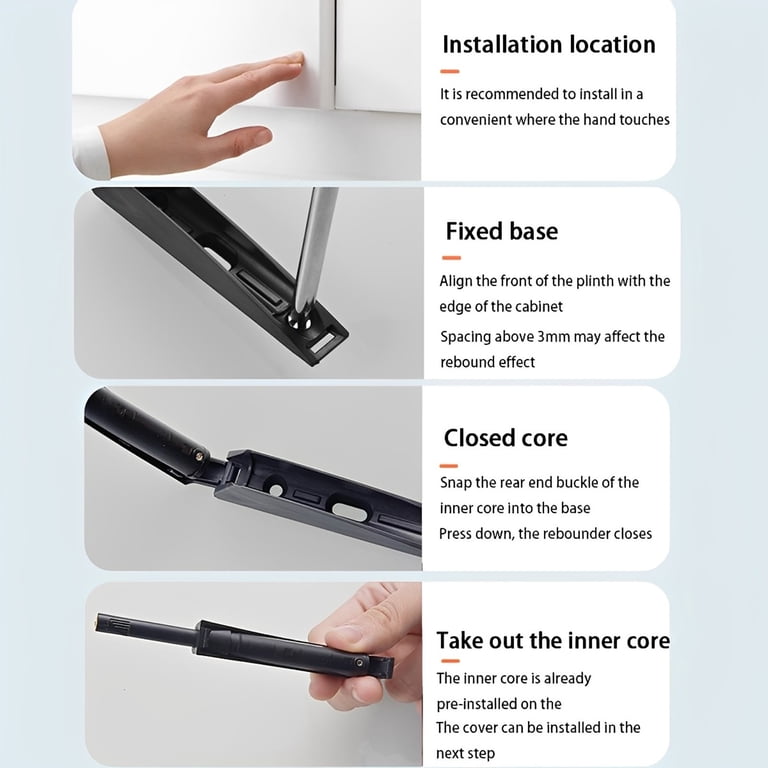
Most glass cabinet doors rely on magnetic or spring-loaded catches to stay closed. When these components weaken or fall out of alignment, the door doesn’t seal properly and rattling follows.
Install Soft-Close Catches
Replacing old, stiff catches with soft-close magnetic versions offers a simple upgrade. These catches pull the door closed gently but firmly, eliminating the bounce-back that causes noise. Position the new catch so the door latches snugly without requiring a hard push. Test it several times to confirm it holds during normal kitchen activity.
Adjust Existing Catch Position
If replacing catches isn’t in your budget, realign the ones you have. Loosen the mounting screws, close the door, and let it naturally mark where the strike plate touches. Reattach the catch at that exact spot. Even a small shift of an eighth of an inch can close the gap that allows rattling.
Add Cushioning to Reduce Vibration

Even perfectly aligned doors can rattle if nothing absorbs the movement between door and frame. Adding padding creates a tighter seal and dampens vibration.
Apply Felt Pads at Contact Points
Self-adhesive felt pads work wonders on glass cabinet doors. Place them where the door meets the frame, typically at the top, bottom, and latch side. Clean the surfaces first so the adhesive sticks properly. Choose thin pads between 1 and 2 millimeters thick to avoid preventing the door from closing. Clear silicone bumpers offer a less visible alternative.
Install Rubber Door Gaskets
For comprehensive coverage, adhesive rubber gaskets seal the entire perimeter of the door. These flexible strips attach to the inside edge of the frame and compress slightly when the door closes. They work especially well on older cabinets with minor warping or uneven gaps. Cut the gasket to length with scissors and press it into place, making sure the corners don’t overlap.
Address Warping in Refinished Doors
If you’ve recently sanded and stripped your cabinet doors, moisture exposure or uneven finishing can cause warping. A warped door won’t sit flush against the frame, creating gaps that invite rattling.
Flatten Slightly Warped Doors
Minor warps can often be corrected at home. Clamp the door flat between two straight boards and leave it for 24 to 48 hours. Place a damp cloth on the convex side and apply gentle heat with a hairdryer to help the wood fibers relax. Avoid soaking the wood, as excessive moisture can worsen the warp.
Rehang Doors After Refinishing
Always wait until the final finish has fully cured before rehanging cabinet doors, which typically takes 7 to 10 days. Reattaching hardware too soon can mar the finish or create stress points that lead to warping. Use this waiting period to verify hinge alignment and confirm the cabinet frame is square.
Choose the Right Finish Application Method
While finish quality doesn’t directly cause rattling, it affects long-term door stability. Uneven staining or improper sealing can lead to moisture absorption, increasing the risk of warping and movement.
Use a Foam Applicator for Smooth Stain
Switching from a brush to a high-density foam applicator or microfiber cloth gives a smoother, more even stain application. Foam minimizes brush marks and lap lines that create uneven surfaces. Always sand between coats with 220-grit paper and work in a dust-free environment. For glass panel doors, take extra care to avoid drips on the glass edges.
Wait to Reattach Hardware
Never reinstall hinges or handles before the finish is fully cured. Doing so can scratch the surface or create pressure points that distort the wood over time. Label each piece of hardware and store it safely until the final coat has hardened completely.
Reinforce Hinge Mounts for Long-Term Stability

Even with tight screws, hinge plates can loosen over time, especially in older wood that has degraded.
Use Longer or Thicker Screws
Replace short hinge screws with slightly longer ones, about a quarter inch longer, to reach into solid wood or a stud. Be careful not to drill too deep. Alternatively, use threaded inserts for a permanent fix. These brass fittings anchor into the wood and provide a durable thread that won’t strip.
Add Reinforcement Plates
For cabinets that see heavy use, install metal reinforcement plates behind hinge mounts. These distribute stress and prevent the wood from splitting. Attach them with epoxy or construction adhesive for maximum hold.
Prevent Future Rattling with Maintenance
Once your doors are quiet, keep them that way with regular upkeep.
Schedule Quarterly Inspections
Every few months, check all hinge screws, catches, and cushioning. Tighten any loose hardware and replace worn felt pads. Early intervention prevents small issues from becoming bigger problems.
Control Humidity Levels
Wood expands and contracts with humidity changes. Maintain indoor humidity between 40 and 50 percent to minimize movement in cabinet doors. Use a dehumidifier in summer or a humidifier in winter if needed.
Avoid Slamming Doors
Even with soft-close hardware, forceful closing stresses hinges and frames. Encourage gentle use to extend the life of your fix.
Frequently Asked Questions About Stopping Glass Cabinet Door Rattling
What is the fastest way to stop glass cabinet doors from rattling?
Tightening all hinge screws and adding self-adhesive felt pads at contact points provides the quickest relief. Most doors stop rattling immediately after these two steps, and the entire process takes under 15 minutes per door.
Can I use silicone caulk to stop cabinet door rattling?
Yes, a thin bead of clear silicone caulk applied to the inside edge of the frame can act as a permanent cushion. Allow it to dry completely before closing the door. This works well for doors with uneven gaps that felt pads can’t bridge.
Why do my glass cabinet doors rattle after refinishing?
Refinishing can expose warping that was previously hidden by old finish. Sanding and stripping introduce moisture that may cause wood to shift. Additionally, if you rehang doors before the finish fully cures, the hardware can create stress points that lead to movement.
How long should I wait before reattaching cabinet door hardware after finishing?
Wait at least 7 to 10 days for the final coat to fully cure. Oil-based finishes may take longer. Reattaching hardware too soon can dent the finish and create pressure points that contribute to warping and rattling.
Will soft-close hinges stop rattling completely?
Soft-close hinges prevent slamming and reduce impact, but they don’t address gaps or loose frames. For complete noise elimination, combine soft-close hinges with proper alignment and cushioning at contact points.
What should I do if my cabinet door is warped and won’t close flush?
For minor warps, clamp the door flat between two boards for 24 to 48 hours. For severe warping, you may need to replace the door panel. Never force a warped door closed, as this stresses the hinges and glass.
Key Takeaways for Quieting Your Glass Cabinet Doors
Stopping glass cabinet doors from rattling comes down to three main actions: tightening hardware, adding cushioning, and ensuring proper alignment. Start with the simplest fixes like tightening hinge screws and applying felt pads. Then move to alignment adjustments and catch replacements if the noise persists.
If you’re in the middle of a refinishing project, patience pays off. Wait for the finish to cure completely before rehanging doors and reinstalling hardware. This prevents warping and ensures a professional result.
Take 30 minutes this weekend to inspect every cabinet door in your kitchen. Tighten what’s loose, pad what’s bare, and adjust what’s misaligned. Your ears, and anyone else in the house, will thank you.


