

You have just bought a heavy file cabinet, and now you are struggling to move it across the room, especially with a full load of documents inside. Without casters, even small adjustments become a workout. The good news is that adding casters to a file cabinet is a simple, affordable upgrade that boosts mobility, protects your floors, and makes office reorganization effortless. Whether you are working with a metal, wooden, or laminate file cabinet, installing casters takes under 30 minutes and requires only basic tools.
This guide walks you through every step, from choosing the right type of caster to securing them properly, so your cabinet rolls smoothly and safely. We will cover load limits, swivel versus rigid options, and how to avoid common installation mistakes. By the end, you will know exactly how to add casters to a file cabinet like a pro, without damaging the frame or compromising stability.
Choose the Right Casters
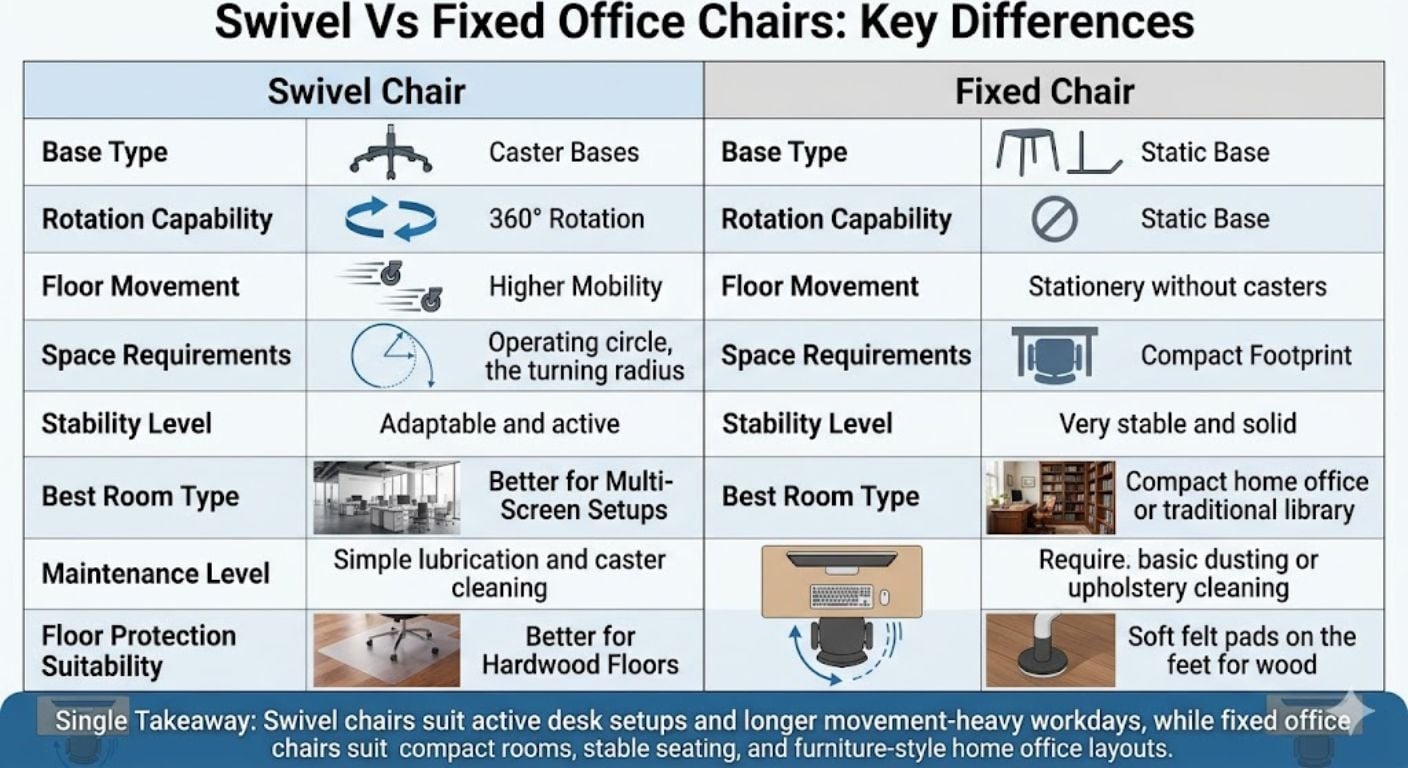
Before picking up any hardware, assess your cabinet’s weight, floor type, and mobility needs. The wrong caster can wobble, scratch floors, or fail under pressure.
Determine Weight and Load Capacity
Weigh your fully loaded file cabinet or estimate based on size:
• Small 2-drawer cabinet: roughly 50 to 70 pounds
• Standard 4-drawer cabinet: roughly 100 to 150 pounds
Choose casters rated for at least 25 percent more than the total weight. For example, a 120-pound cabinet should use casters rated for 40 pounds each, which gives 160 pounds total for four casters. Overloading leads to wheel failure and frame damage.
Pick Swivel or Rigid Casters
• Swivel casters rotate 360 degrees for easy maneuvering in tight spaces
• Rigid casters roll straight, which is ideal for stability in high-traffic areas
Use four swivel casters for maximum control, or two swivel plus two rigid on the back legs for directional stability. Avoid mixing types haphazardly.
Select Floor-Safe Wheels
Match wheel material to your flooring:
• Rubber or polyurethane: quiet, non-marking, ideal for hardwood, tile, or laminate
• Hard nylon: durable for carpet or industrial floors but may scratch softer surfaces
• Soft rubber: best for protecting delicate floors and absorbing vibration
Avoid metal casters because they scratch floors and transmit noise.
Gather Tools and Supplies

You do not need a full toolbox. Most installations require just a few common items.
Required Tools
• Adjustable wrench or socket set
• Screwdriver, either Phillips or flathead, depending on caster screws
• Tape measure
• Pencil for marking
• Level, optional, for alignment checks
If drilling new holes, add a power drill and an appropriate drill bit, usually 1/4 inch or 5/32 inch.
Caster Types and Mounting Styles
• Plate-mounted casters: most common, attach with four screws
• Stem-mounted casters: fit into pre-existing holes, which are rare on file cabinets
• Threaded stem or grip ring: used for furniture legs, not typical for cabinets
For file cabinets, plate-mounted casters are standard. Ensure screw holes on the plate align with your cabinet base, or be ready to drill.
Prepare the Cabinet
Moving a loaded cabinet risks injury and damage. Prep ensures a safe, clean installation.
Empty and Inspect the Cabinet
Remove all drawers and contents. Set them aside on a table or cart. Check the cabinet’s bottom frame for damage, rust, or old mounting holes. A warped or bent base can prevent secure attachment.
Flip and Support Safely
Lay the cabinet upside down on a soft surface like a moving blanket or cardboard. Never place it directly on hardwood or tile. Use two sawhorses, a workbench, or enlist help to hold it steady. Avoid resting weight on drawer slides or thin metal edges.
Mark Caster Positions
Place each caster in a corner of the base frame. Use a tape measure to center them if needed. Mark screw hole locations with a pencil. For uneven frames, prioritize symmetry over exact corner placement to maintain balance.
Install the Casters
Now it is time to attach the casters securely. Accuracy here prevents wobbling and stress on the frame.
Attach With Existing Holes When Possible
Some cabinets have pre-drilled holes in the base. Align the caster plate and insert screws. Tighten evenly with a screwdriver or wrench, but do not over-tighten, as this can strip metal threads. Snug is sufficient.
Drill New Holes When Necessary
If no holes exist:
1. Clamp a scrap wood block under the frame to prevent blowout
2. Drill pilot holes at your marked spots using the correct bit size
3. Remove clamps and insert screws through the caster plate
4. Fasten from the top down to avoid protruding bolts underneath
Drill slowly to avoid warping thin metal. Use lubricant like WD-40 if working with thick steel.
Check Alignment and Stability
Once all casters are mounted, flip the cabinet upright. Place it on a flat surface. Push gently from each corner. If it wobbles, one caster may be loose or misaligned. Re-tighten or adjust as needed. Use a level to confirm the cabinet sits evenly.
Test and Adjust for Smooth Roll
A proper installation is not done until the cabinet rolls freely and safely.
Roll Across Different Surfaces
Test movement on carpet, tile, or flooring transitions. Listen for grinding or squeaking. If resistance occurs, check for:
• Debris caught in wheels
• Uneven caster height
• Over-tightened bolts restricting rotation
Lift slightly and spin each wheel by hand. They should turn smoothly.
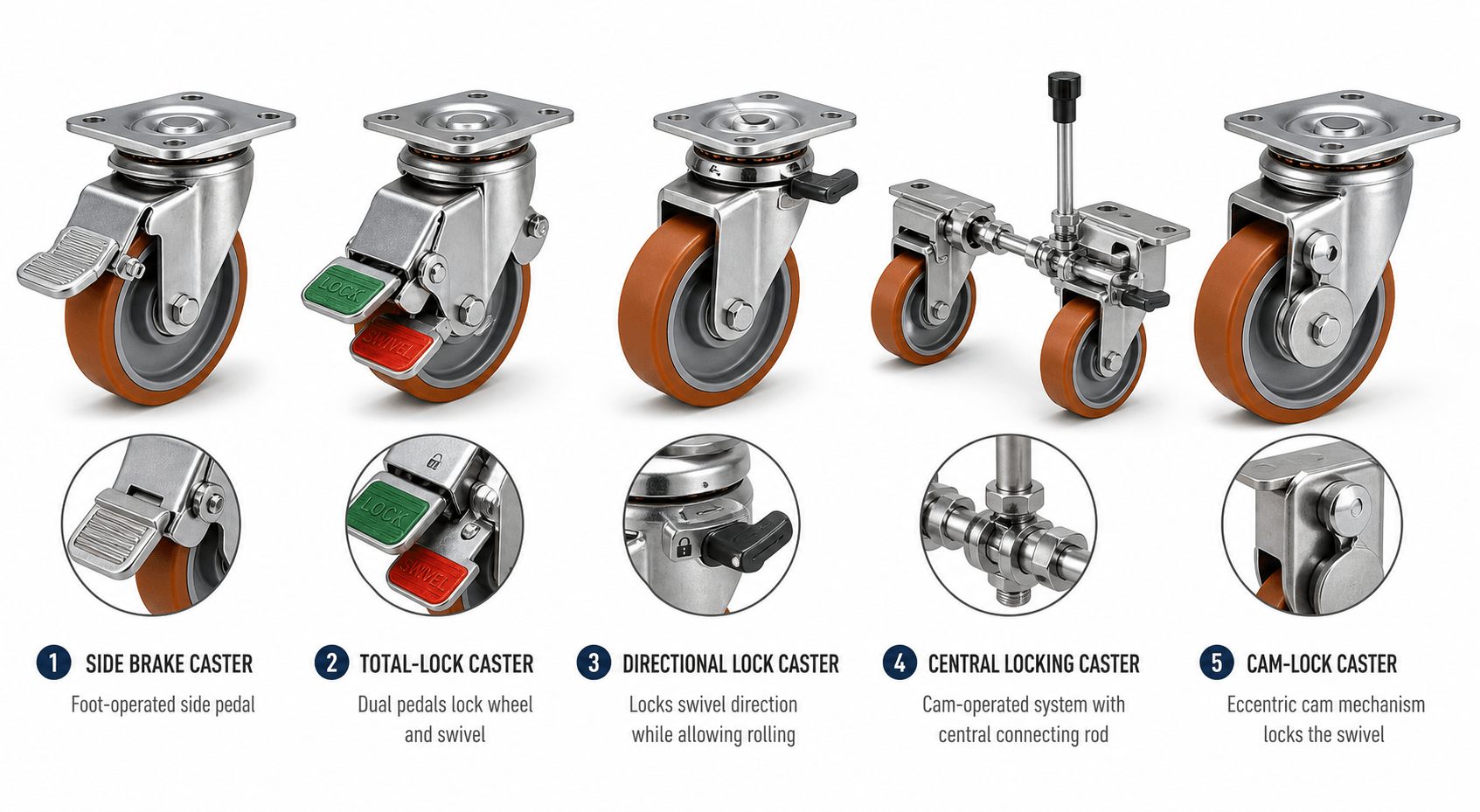
Lock Swivel Casters If Equipped
Many casters include a locking mechanism to prevent movement. Engage locks when the cabinet is in position to avoid accidental rolling. Test both the wheel lock, which stops rotation, and the swivel lock, which freezes direction.
Adjust for Carpet or Thresholds
Thick carpet or door thresholds can block low-profile casters. If the cabinet drags:
• Upgrade to high-capacity casters with larger wheels, 2 inches or more
• Use caster cups or glides to lift the cabinet slightly
• Consider hybrid casters with dual wheels for better weight distribution
Avoid forcing movement, as this strains drawer slides.
Maintain Mobility Over Time
Casters collect dust, hair, and debris. Regular upkeep keeps your cabinet rolling smoothly.
Clean Wheels Monthly
Remove visible gunk with a damp cloth and mild soap. Use a toothbrush to clean grooves. For stubborn buildup, wipe with rubbing alcohol and let dry before use.
Inspect for Wear
Every 6 months, check:
• Cracks or flattening in rubber wheels
• Loose screws or wobbling plates
• Rust on metal components
Replace damaged casters immediately. A failed caster can tilt the cabinet and damage flooring or drawers.
Tighten Screws Periodically
Vibration from daily use loosens screws. Carry a small wrench to re-tighten every few months, especially in high-traffic offices.
Troubleshooting Common Issues
Even a careful install can run into problems. These fixes resolve the most frequent issues.
Wobbly or Uneven Movement
This usually means one caster is not flush with the floor. Causes include:
• Misaligned mounting
• Bent caster stem
• Frame warping
Solution: loosen all screws, reposition, and re-tighten. Replace any bent hardware.
Cabinet Scratches the Floor
If the base drags, casters are too short or uneven.
• Add spacers or washers under the mounting plate
• Replace with taller casters, checking clearance under drawers
• Confirm all four casters are the same height
Never let the cabinet frame touch the floor during movement.
Drawers Jam After Installation
This is rare but possible. If drawers stick, the cabinet may be twisted from uneven pressure.
• Flip and recheck caster alignment
• Ensure no screws protrude upward and interfere with drawer rails
• Re-level the cabinet on the floor
Final Tips for Long-Term Success
Adding casters is a small upgrade with big benefits, but smart choices ensure lasting results.
Use Locking Casters in Busy Offices
In shared workspaces, locking casters prevent accidental shifts when opening drawers. This reduces wear on slides and improves safety.
Match Casters to Your Office Layout
Open floor plan? Use four swivel casters for easy repositioning. Narrow hallway or against a wall? Try two swivel on the front plus two rigid on the back for controlled movement.
Consider Caster Guards
In high-traffic areas, debris can jam wheels. Caster guards or covers shield wheels from dust, cords, and small objects, which is ideal for industrial or medical settings.
Frequently Asked Questions About Adding Casters to a File Cabinet
Can I add casters to any file cabinet?
Most file cabinets with a solid base frame can accept plate-mounted casters. If the base is thin or hollow, you may need to reinforce it with a wood block or metal bracket. Check for existing holes first, as many cabinets come pre-drilled.
What size casters should I use for a file cabinet?
Choose casters with a wheel diameter of at least 1.5 to 2 inches for smooth rolling on carpet. For hard floors, smaller wheels work fine. Always check the load rating to ensure each caster supports at least 25 percent of the total cabinet weight.
Do I need locking casters on a file cabinet?
Locking casters are recommended if the cabinet sits on a slope or in a busy area. They prevent accidental movement when drawers open, which reduces tipping risk and protects nearby people and furniture.
How do I stop my file cabinet from rolling away?
Engage the wheel locks on all casters once the cabinet is in position. If your casters lack locks, consider replacing them with locking versions or adding caster cups that grip the floor.
Will casters damage my hardwood floors?
Casters with soft rubber or polyurethane wheels will not mark hardwood floors. Avoid hard nylon or metal wheels, which can scratch. Clean wheels regularly to remove grit that can act like sandpaper.
Can I install casters on a wooden file cabinet?
Yes, wooden cabinets work well with plate-mounted casters. Drill pilot holes to prevent splitting, and use screws long enough to grip the wood securely. Reinforce thin panels with a backing plate if needed.
Key Takeaways for Adding Casters to Your File Cabinet
Adding casters to a file cabinet transforms a stationary piece into a mobile workstation. The process is straightforward: choose the right casters for weight and floor type, prepare the cabinet safely, install with precision, and maintain the wheels over time. Prioritize load capacity to prevent failure, select floor-safe materials to protect surfaces, and use locking mechanisms where stability matters.
Your next step is simple. Measure your cabinet, pick a caster set that meets the load requirements, and install them this weekend. You will save your back, protect your floors, and gain the flexibility to rearrange your space whenever inspiration strikes.


