
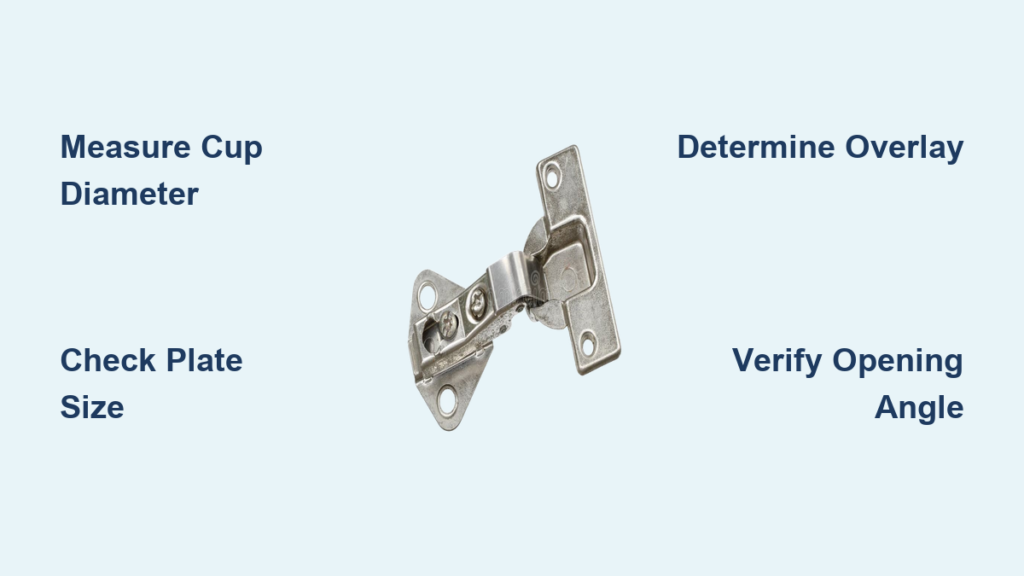
You’re refinishing your kitchen cabinets and ready to repaint, but before you prime or paint, you need to remove the hinges. When it comes time to reinstall or upgrade, knowing how to measure cabinet hinges correctly is essential for a perfect fit. Whether you’re replacing old hinges, upgrading to soft-close models, or installing new doors, precise measurements ensure smooth alignment and operation. This guide walks you through every step, from identifying hinge type to measuring critical dimensions, so you can confidently choose and install the right hinges without guesswork.
Measuring cabinet hinges isn’t complicated, but it does require attention to detail. Small errors can lead to misaligned doors, gaps, or binding. This article covers hinge identification, cup and plate measurements, overlay calculations, and common mistakes to avoid. By the end, you’ll have all the knowledge needed to select replacement hinges that fit perfectly the first time.
Identify Your Hinge Type First

Before breaking out the tape measure, determine the type of hinge you’re working with. The most common styles in residential cabinets include overlay, concealed, surface-mount, and pivot hinges. Each type requires different measurements and has unique installation requirements.
Overlay Hinges
Overlay hinges are used when cabinet doors fully or partially cover the cabinet frame. These are the most common in modern kitchens.
- Full overlay: Door covers entire front frame
- Partial overlay: Door covers part of the frame
- Inset: Door sits flush inside the frame, requiring precise measurement
Concealed European Hinges
Concealed hinges are hidden when the door is closed. They feature a mounting plate screwed into the cabinet box and a cup on the back of the door.
- Most require a 35mm drilled cup hole
- Adjustable in three directions (up/down, in/out, side-to-side)
- Popular for their clean appearance and adjustability
Surface-Mount and Pivot Hinges
Surface-mount hinges attach directly to the surface of the door and frame. They’re common in older or rustic cabinets. Pivot hinges use a top-and-bottom pin system and appear less frequently, mainly in custom builds.
Knowing your hinge type determines what you need to measure and how to measure it. This first step saves time and prevents ordering the wrong replacement parts.
Measure Hinge Mounting Plate for European Hinges

If you have concealed European-style hinges, start with the mounting plate, which is the part screwed into the cabinet. This component determines compatibility with the cabinet box itself.
Measure Plate Height and Width
Use a ruler or digital caliper for accuracy. Typical plate widths include 35mm, 40mm, or 48mm. Height usually ranges from 60 to 70mm. For example, a “40mm x 65mm plate” indicates width by height.
Check Screw Hole Spacing
Measure the center-to-center distance between screw holes. Most plates have 4 to 6 holes, so note both vertical and horizontal spacing. Common spacing includes 32mm vertical and 27mm horizontal distances.
Pro Tip: Take a clear photo of the hinge still mounted and another after removal. Compare these with online specifications when shopping for replacements.
Measure the Hinge Cup and Bore Hole
European hinges attach to a round cup drilled into the back of the door. This cup houses the hinge mechanism and must match your replacement exactly.
Confirm Cup Diameter
The standard cup diameter is 35mm, which equals about 1⅜ inches. Use a tape measure to verify, or compare with a U.S. quarter, which measures approximately 24.26mm. The quarter will look noticeably smaller than the cup hole.
Measure Cup Depth
Insert a small ruler into the hole to check depth. Standard depth ranges from 11 to 13mm. If the cup is too shallow, a new hinge may not seat properly, causing the door to sit incorrectly.
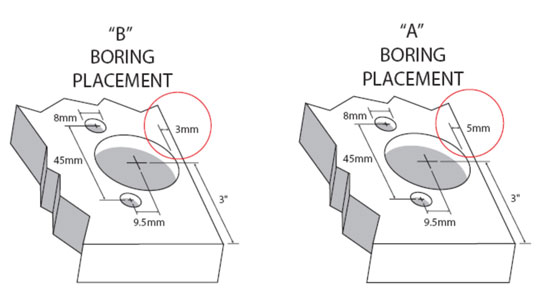
Determine Cup Position
Measure from the door edge to the center of the cup. Common distances include 0mm, 3mm, or 5mm. This measurement affects how far the door sits from the cabinet frame when closed.
Warning: A 0mm cup position means the door is flush with the edge. Getting this wrong causes misalignment and visible gaps.
Measure Hinge Arm and Opening Angle
The hinge arm controls how far the door opens. Matching this ensures proper clearance and functionality, especially in tight spaces or corner installations.
Check Arm Length
Measure from the base of the cup to the end of the arm. Typical lengths range from 38mm to 48mm. Longer arms may provide better clearance for thicker doors or unusual cabinet configurations.
Identify Opening Angle
- 90°: Standard for corner cabinets
- 105° or 110°: Provides wider access
- 170°: Full access, common in soft-close hinges
Visual Cue: Open the door fully and observe whether it clears adjacent cabinets or walls. If it doesn’t, you need a hinge with a wider opening angle.
Measure Overlay Amount for Proper Fit

The overlay refers to how much the door covers the cabinet frame. This measurement determines hinge compatibility more than any other factor.
How to Measure Overlay
- Open the cabinet door completely
- Measure the distance from the edge of the door to the edge of the cabinet frame
- That measurement is your overlay (for example, ½ inch, ¾ inch, or 1 inch)
Common Overlay Sizes
- ½ inch (12.7mm): Standard partial overlay
- ¾ inch (19mm): Common in older homes
- Full overlay: Door covers the entire ¾-inch frame
Expert Note: When replacing hinges, match the new hinge’s specified overlay to your measured value. Mismatched overlay causes gaps or binding when opening and closing.
Measure Door Thickness
Hinges are designed for specific door thicknesses. Most are made for ¾-inch (18–19mm) doors, but some accommodate thinner materials.
How to Measure
Use a caliper or ruler at the door edge. Standard thickness is ¾ inch (18–19mm). Shaker or MDF doors may vary slightly, so always verify with an actual measurement.
Caution: Hinges for ½-inch doors are less common. Always confirm specifications before ordering to avoid compatibility issues.
Measure Hinge Spacing and Placement
When installing multiple hinges per door, consistent spacing ensures balance and longevity. Proper placement distributes weight evenly and prevents sagging over time.
Standard Hinge Placement
- Top hinge: 5 to 7 inches from top of door
- Bottom hinge: 10 to 12 inches from bottom
- Middle hinge (if needed): Centered between top and bottom
Example for a 30-Inch Door
- Top hinge: 6 inches from top
- Bottom hinge: 11 inches from bottom
- Middle hinge: Approximately 18 inches from top (if used)
Pro Tip: Use a hinge drilling jig for consistent 35mm cup placement across all doors. This ensures uniformity throughout your entire cabinet set.
Choose the Right Replacement Hinges
Now that you’ve gathered all measurements, use your data to select the correct replacement hinges. Match each specification carefully to ensure proper fit and function.
Key Specifications to Match
| Feature | What to Look For |
|---|---|
| Cup diameter | 35mm (standard) |
| Mounting plate size | Match width and height |
| Overlay compatibility | Match your measured overlay |
| Opening angle | 90°, 105°, or 170° |
| Soft-close feature | Built-in damper for quiet closing |
| Material | Steel or zinc alloy for durability |
Upgrade Options
- Soft-close hinges: Eliminate slamming, highly recommended
- Adjustable hinges: Fine-tune position after installation
- Oversized hinges: For heavy or tall doors
Budget Tip: Buy in bulk packs of 10 to 20 hinges for uniformity and cost savings. This also ensures you have spares if needed.
Common Measuring Mistakes to Avoid
Even small errors can lead to misaligned doors and frustration. Avoid these frequent mistakes when measuring cabinet hinges.
Don’t Assume All Hinges Are the Same
Cabinets may have mixed hinge types, especially in older kitchens. Measure each hinge individually, even if they look identical at a glance.
Don’t Forget to Check Both Sides
Left and right doors may use mirrored hinges. Some hinges are universal, while others are side-specific. Verify before ordering.
Don’t Use a Worn Tape Measure
Stretch or frayed tape leads to inaccurate readings. Use a metal ruler or digital caliper for precision measurements.
Don’t Round Measurements Too Much
Remember that 35mm does not equal 1¼ inches; it’s actually 1⅜ inches. Use millimeters whenever possible for maximum accuracy.
Frequently Asked Questions About Measuring Cabinet Hinges
What is the standard size for cabinet hinge cups?
The standard cup diameter for European concealed hinges is 35mm, which equals about 1⅜ inches. Cup depth typically ranges from 11 to 13mm. This standard applies to most residential cabinet hinges manufactured today.
How do I measure hinge overlay on my cabinets?
Open the cabinet door and measure the distance from the edge of the door to the edge of the cabinet frame. This distance represents your overlay. Common measurements include ½ inch, ¾ inch, or full overlay where the door covers the entire frame.
Can I replace European hinges with soft-close versions?
Yes, you can upgrade to soft-close hinges as long as the cup diameter, mounting plate size, and overlay specifications match your existing setup. Soft-close hinges use the same 35mm cup standard and mounting plate system.
What tools do I need to measure cabinet hinges?
You need a tape measure or ruler for basic measurements, and ideally a digital caliper for precise readings of cup diameter and plate dimensions. A pencil and paper for recording measurements also helps keep everything organized.
How do I know if my hinges are left or right handed?
Some hinges are side-specific, while others are universal. Check the hinge arm for an “L” or “R” marking. If no marking exists, hold the hinge against the door to determine orientation before ordering replacements.
Do I need to measure both the hinge and the mounting plate?
Yes, you need both measurements. The hinge cup and arm measurements ensure the hinge fits the door, while the mounting plate measurement ensures compatibility with the cabinet box. Both must match for proper installation.
Key Takeaways for Measuring Cabinet Hinges
Measuring cabinet hinges requires attention to several specific dimensions, but the process is straightforward once you know what to look for. Start by identifying your hinge type, then measure the cup diameter, mounting plate size, overlay amount, and opening angle. Record all measurements in millimeters for accuracy and compare them against replacement hinge specifications.
The most common mistakes include assuming all hinges are identical, forgetting to check both sides of double doors, and rounding measurements incorrectly. Take your time, use quality measuring tools, and document everything. A photo of each hinge type in your kitchen serves as an excellent reference when shopping for replacements.
With accurate measurements in hand, you can confidently order replacement hinges that fit perfectly the first time. Whether you’re upgrading to soft-close models or simply replacing worn hardware, proper measurement ensures your newly painted cabinets look and function beautifully for years to come.


