How many times have you paused mid-recipe with a hot pan in hand while fumbling through a jumbled cabinet for cumin or smoked paprika? You are not alone as a disorganized spice system slows cooking, frustrates creativity, and wastes money on duplicate bottles.
The best storage solution prioritizes visibility and accessibility to match how you actually cook. This guide reveals practical seasoning cabinet ideas ranging from labeled drawer systems to dedicated baking zones that save space and inspire confidence at the stove.
Upgrade to a Dedicated Spice Drawer System
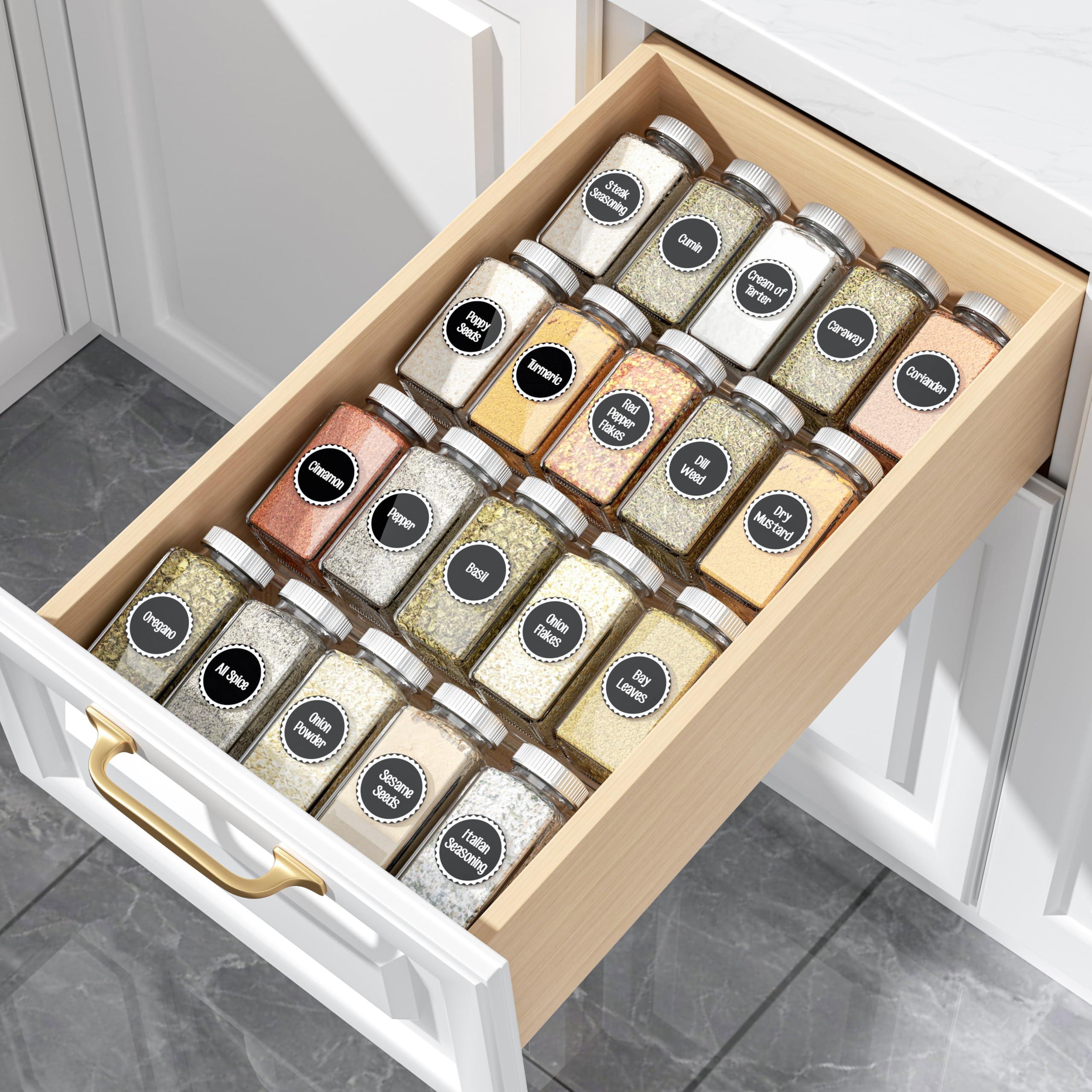
Replacing wobbly lazy Susans with a streamlined spice drawer system eliminates spills and improves access significantly. This single change frees up valuable cabinet space for other essential kitchen items while organizing your core inventory.
Use Labeled Jars in Expandable Trays
Store your forty most-used savory spices in uniform acrylic jars with side labels inside an expandable plastic tray. This setup often comes from affordable modular sets that adapt perfectly to any standard drawer size.
- Clear visibility: Side labels let you scan all spices at once without pulling bottles out.
- Compact fit: Smaller jars maximize space while bulk refills stay tucked away safely.
- Easy maintenance: Wipe down trays monthly and replace labels if they begin to fade.
Only a few items need to remain in original packaging like Bowman Seasoning or everything bagel mix because their branding is distinct. Transferring everything else reduces visual noise and makes restocking intuitive for every cook.
Why Drawers Beat Traditional Cabinets
Pulling a drawer open gives you full access to every spice at eye level instantly. Unlike deep cabinets where bottles get lost behind one another, drawers offer better organization control and faster ingredient selection.
- Safer handling: You avoid dropping heavy glass jars from high shelves.
- Full visibility: No item hides behind another in the back of the cabinet.
- Efficient workflow: You reach for ingredients faster during active cooking.
If you hesitate to give up a utensil drawer, consider relocating tools to a countertop crock. After making this switch, you will find your spices are faster to reach and more inspiring to use daily.
Optimize Cabinet Space for Liquids and Essentials

Freeing up cabinet real estate allows you to reassign zones based on usage frequency and function. The space once cluttered by small spice bottles becomes the perfect spot for oils, vinegars, and liquid seasonings.
Store Oils and Vinegars in Refillable Jars
Transfer bulky bottles into sleek, airtight glass jars to reduce counter clutter and preserve freshness. Store these upright on a shallow shelf to minimize exposure to light and heat which degrades quality.
- Olive oil and avocado oil
- Sesame oil and coconut oil
- Apple cider vinegar and soy sauce
- Tamari and other liquid seasonings
This approach looks cleaner and ensures your liquids stay fresh longer than in clear store-bought bottles. Use chalkboard labels or waterproof stickers so you can update contents easily when rotating oils.
Keep Salt and Peppercorns Accessible
Whole peppercorns live in a labeled jar on the top shelf paired with a durable pepper grinder you refill as needed. For finishing dishes, keep flaky sea salt in a small, easy-pour container within immediate reach of the stove.
Storing salt and pepper in matching jars creates visual harmony and ensures consistency in your setup. You will no longer face mismatched containers or guess which shaker contains which grain.
Create a Dedicated Baking Spice Zone
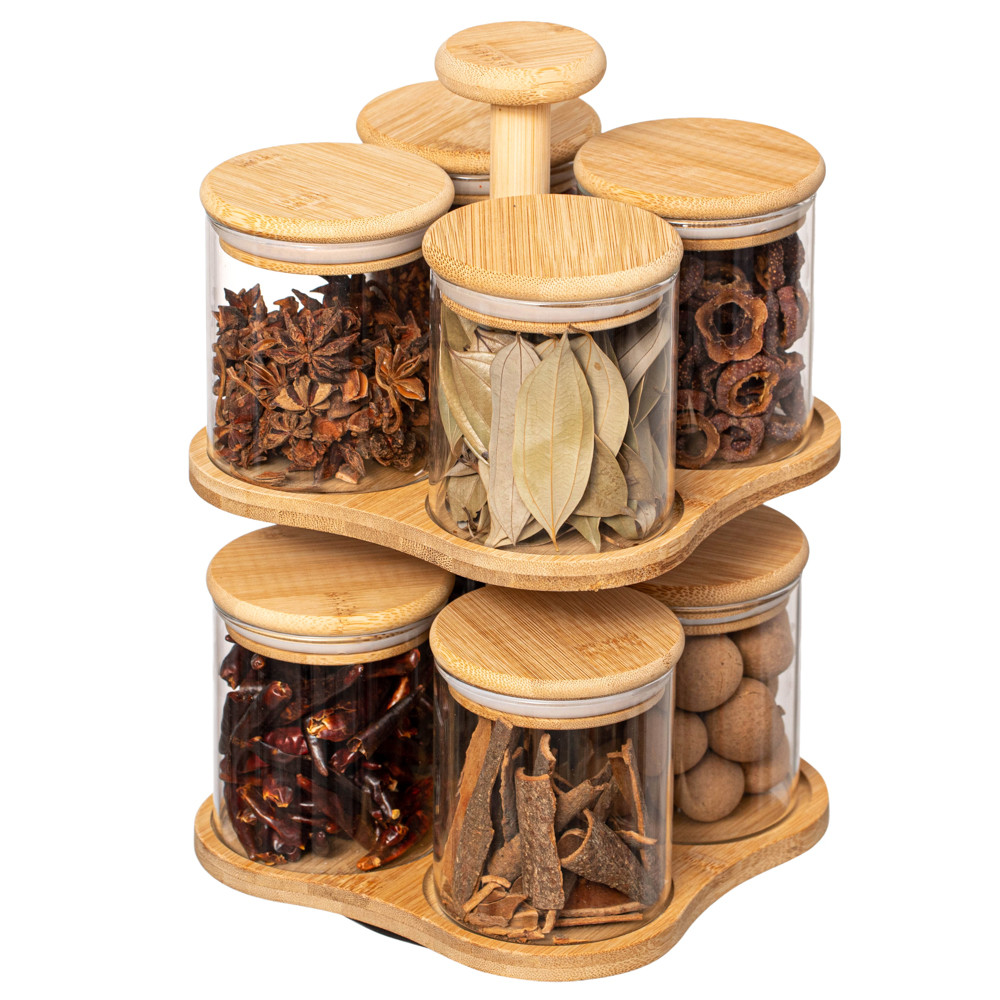
Baking requires precision and having everything in one place cuts prep time in half effectively. Your baking cabinet should double as a dedicated spice and extract station located near the mixer and measuring tools.
Repurpose a Lazy Susan Base
Remove the top tier of an old lazy Susan and keep only the base to hold your sweet essentials. Because it spins smoothly, you can quickly find what you need without reaching behind or moving items around.
- Sweet spices: Cinnamon, nutmeg, allspice, cloves, and pumpkin pie spice
- Extracts: Vanilla, almond, lemon, and peppermint flavors
- Leavening agents: Baking powder, baking soda, and active dry yeast
- Frequent-use items: Chocolate chips, cake flour, and freeze-dried fruit
Everything remains contained, labeled, and within arm’s reach for seamless baking sessions. This setup prevents the frustration of searching through multiple cabinets for single ingredients.
Why Separate Sweet and Savory Spices
Keeping baking spices separate from cooking spices prevents cross-contamination like flour dust settling in cumin. It also supports mental clarity during prep since you open specific zones for specific tasks.
When making dinner, you open the spice drawer, but when baking, you open the baking cabinet. This zoning strategy reduces decision fatigue and keeps workflows distinct, especially when cooking and baking happen in the same evening.
Dedicate a Drawer for Flour and Sugar

Dry goods deserve their own organized space, especially when used frequently in your kitchen. A dedicated flour and sugar drawer keeps ingredients fresh, visible, and accessible for every baking project.
Use Clear Airtight Containers
Store all flours and sugars in stackable, airtight bins with front-facing labels for easy identification. Clear containers let you see when levels are low so you never start a recipe only to find an empty jar.
- All-purpose, bread, and cake flour
- Brown, granulated, and powdered sugar
- Semolina and specialty blends
- Gluten-free and pizza flour options
Airtight seals prevent moisture and pests, which is critical for long-term storage of these staples. This method ensures your dry goods remain safe and ready for use at any moment.
Prevent Clumping in Brown Sugar
To keep brown sugar soft and scoopable, add a terra cotta sugar saver or a slice of bread inside the container. It maintains humidity without making the sugar wet, though you should replace the bread every few days if used.
For powdered sugar, keep it tightly sealed and sift before use, especially if stored for more than a month. These small steps ensure your ingredients perform perfectly in every recipe.
Buy in Bulk and Refill in Style
One of the most impactful seasoning cabinet ideas involves sourcing spices and dry goods in bulk. This approach saves money, reduces packaging waste, and ensures you never run out mid-recipe.
Refill Small Jars from Large Containers
Keep large containers like $5.99 ground black pepper or two-pound bags of cinnamon in a pantry or basement shelf. Then, refill your small drawer jars as needed to maintain a consistent supply.
- Cost savings: Bulk prices are often 30 to 50 percent lower per ounce.
- Less waste: Fewer plastic bottles end up in landfills over time.
- Consistent supply: You avoid running out of critical ingredients during cooking.
Label both the refill container and the small jar with the same name and purchase date. Rotate older stock to the front to maintain freshness and ensure you use the oldest spices first.
Watch for Shelf Life and Potency
Spices do not last forever, as ground spices lose potency after six to twelve months. Whole spices can last up to four years, so mark your refill containers with purchase dates to know when to refresh.
- Check freshness: Crush a small amount between fingers to test aroma strength.
- Store away from heat: Avoid placing spice drawers near the stove where heat degrades flavor.
Regular checks ensure your dishes always taste vibrant and full of flavor.
Design Zones by Your Cooking Style
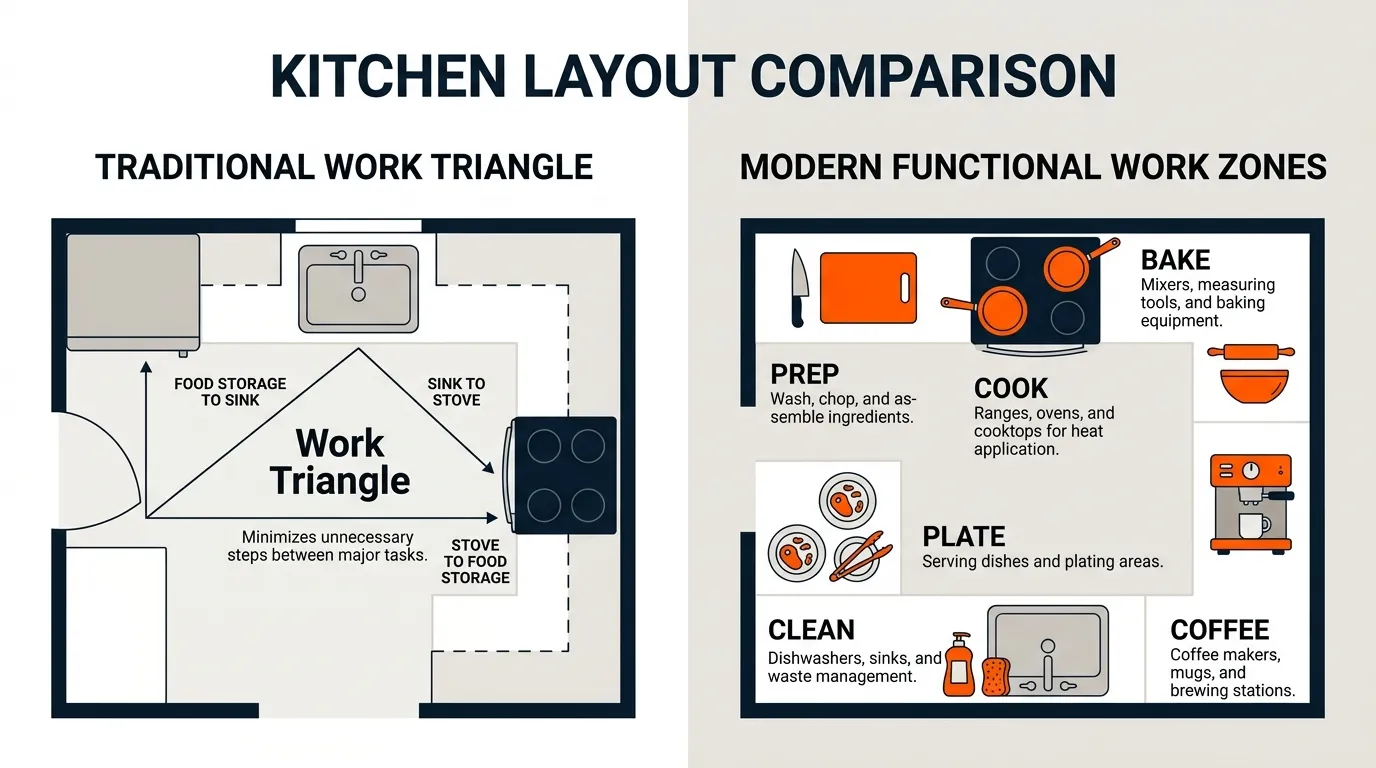
The most effective seasoning cabinet ideas align with how you actually cook rather than following rigid magazine rules. Tailor your layout to support your specific habits and frequency of use.
Cooking Zone for Daily Spices
Your spice drawer should hold the forty most-used savory seasonings you reach for daily. Having these in a flat, single-layer drawer means you never waste time searching during busy weeknights.
- Cumin, coriander, chili powder, and garlic powder
- Onion powder, paprika, oregano, and thyme
- Rosemary, curry blends, and Italian seasoning
- Smoked and sweet paprika varieties
These core items form the backbone of your daily cooking and should be the most accessible.
Baking Zone for Precision and Order
Your baking cabinet acts as its own ecosystem with everything supporting accuracy and consistency. Store measuring cups, spoons, and small scoops nearby to eliminate walking back and forth across the kitchen.
- Extracts in dropper bottles for precise dosing
- Small spatulas or mini scoops inside the cabinet
- Organized rows of sweet spices and leavening agents
This zone eliminates flow interruptions and makes baking a more enjoyable process.
Oil and Vinegar Station for Dressings
Your cabinet for oils and vinegars acts as a dressing station where you can whip up vinaigrettes in under a minute. Keep a small whisk or fork stored nearby along with a one-cup glass measuring cup for mixing.
- Olive oil, balsamic, and red wine vinegar
- Dijon mustard and other emulsifiers
- Pump dispensers for frequent use
This setup turns a simple cabinet into a functional micro-kitchen for sauces and dressings.
Customize Based on Your Specific Needs
Not every kitchen is the same, so your seasoning cabinet ideas should not be either. Tailor the system to fit your lifestyle, family size, and cooking preferences effectively.
For Small Kitchens: Maximize Vertical Space
If cabinet space is tight, install stackable shelf risers to double your storage capacity. Use door-mounted racks for small spice bottles or choose narrow pull-out drawers for deep cabinets.
- Install tiered organizers for better visibility
- Use vertical space efficiently with risers
- Avoid wide carousels that waste corner space
Consider a tiered spice carousel only if it fits comfortably, as many are too wide and waste valuable space.
For Large Families: Increase Capacity
With more cooks and bigger meals, double up on popular spices like garlic powder or onion powder. Use larger refillable jars and label them with icons or colors for kids or visual learners.
- Increase jar sizes for high-volume ingredients
- Use color coding for quick identification
- Rotate stock more frequently to prevent waste
This approach ensures everyone can find what they need without confusion or delays.
For Serious Cooks: Add Global Sections
If you cook international dishes regularly, create sub-zones for Mexican, Indian, Mediterranean, or Asian cuisines. Store blends like garam masala, za’atar, gochujang, or furikake in clearly labeled jars.
- Group spices by cuisine type
- Keep specialty tools like mortars nearby
- Label distinct regional blends clearly
Grouping by cuisine speeds up meal prep and encourages exploration of new flavors.
Maintain Your System Long Term
Even the best seasoning cabinet ideas fail without regular maintenance to keep them functional. A few simple habits ensure your system runs smoothly for years to come.
Do a Monthly Spice Check
Once a month, wipe down shelves and trays while discarding expired or stale spices. Refill low jars from bulk stock and realign containers so labels face forward for easy viewing.
- Wipe down all surfaces and trays
- Discard old or aroma-less spices
- Realign containers for uniform appearance
Set a calendar reminder since this task takes less than ten minutes and prevents buildup.
Label Everything Clearly
Use waterproof, smudge-proof labels to ensure longevity and readability. Options include chalkboard stickers for editable text or printable vinyl labels for a professional look.
- Chalkboard stickers allow easy updates
- Printable vinyl offers a clean aesthetic
- Handheld printers create uniform labels fast
Consistent labeling ensures anyone in the household can find and return items correctly.
Prevent Clutter Creep
It is easy to let random packets or sample jars pile up over time, so enforce a strict rule. If an item is not used regularly, it does not belong in the main drawer or primary cabinet zone.
Store occasional-use items like pumpkin spice in summer in a secondary pantry bin. Bring them out seasonally to keep your main workspace clutter-free and efficient.
Final Tips for Lasting Success
Great seasoning cabinet ideas do more than just organize your kitchen, as they change how you cook entirely. To make your system stick, start small by converting one drawer or cabinet first before tackling the whole room.
- Start small: Convert one area to build momentum.
- Use what you have: Repurpose containers before buying new ones.
- Prioritize access: Place daily-use items at front and eye level.
- Make it inspiring: A beautiful space encourages more cooking.
When your spices are visible, labeled, and logically grouped, you are more likely to experiment and reduce waste. Whether you adopt the full drawer system or just start labeling your jars, each step brings you closer to a smarter cooking experience.
Frequently Asked Questions About Seasoning Cabinet Ideas
How often should I replace my spices?
Ground spices typically lose potency after six to twelve months, while whole spices can last up to four years. Test freshness by crushing a small amount between your fingers to check for a strong aroma.
What is the best way to label spice jars?
Use waterproof, smudge-proof labels like chalkboard stickers or printable vinyl for a professional look. Consistent labeling ensures everyone in the household can find and return items easily.
Can I store spices near the stove?
No, you should avoid placing spice drawers near the stove or oven because heat degrades flavor fast. Store spices in a cool, dry place away from direct heat sources to maintain potency.
How do I keep brown sugar from hardening?
Add a terra cotta sugar saver or a slice of bread inside the container to maintain humidity. Replace the bread every few days if used frequently to keep the sugar soft and scoopable.
Is it better to buy spices in bulk?
Yes, buying in bulk saves money as prices are often 30 to 50 percent lower per ounce. It also reduces plastic waste since you refill smaller jars from large containers repeatedly.
Key Takeaways for Implementing Seasoning Cabinet Ideas
Transforming your kitchen starts with smart seasoning cabinet ideas that prioritize visibility and accessibility. Moving spices to a dedicated drawer system with labeled jars offers instant visibility and inspires creative cooking daily.
Dedicate specific zones for baking, oils, and dry goods to streamline your workflow and reduce decision fatigue. Buying in bulk and refilling small jars saves money while reducing waste and ensuring a consistent supply.
Take action today by clearing one cluttered cabinet and installing a simple tray system for your most-used spices. Your future self will thank you for the saved time and reduced stress during every meal preparation.