

Here is the SEO-optimized informational article based on your outline and requirements.
You open your kitchen cabinet to grab a plate and catch a whiff of something damp and musty. A closer look reveals dark spots creeping along the corners or behind stored items. Mold in cabinets is more than an eyesore. It is a health hazard that can trigger allergies, respiratory issues, and worsen asthma. The good news is that with the right approach, you can eliminate mold completely and keep it from coming back. This guide shows you how to safely and effectively get rid of mold in cabinets using simple household supplies, identify the root causes, and protect your home long-term.
Mold thrives in dark, humid environments. Cabinets often provide these exact conditions, especially those under sinks or near dishwashers. If left unchecked, mold spreads quickly and can damage wood, particleboard, and surrounding materials. Whether you are dealing with a small patch or widespread growth, this step-by-step plan gives you the tools to clean, disinfect, and prevent mold from returning. You will learn how to protect yourself during cleanup, choose the best cleaning solutions, and make simple changes to stop moisture buildup for good.
Essential Safety Precautions for Mold Removal
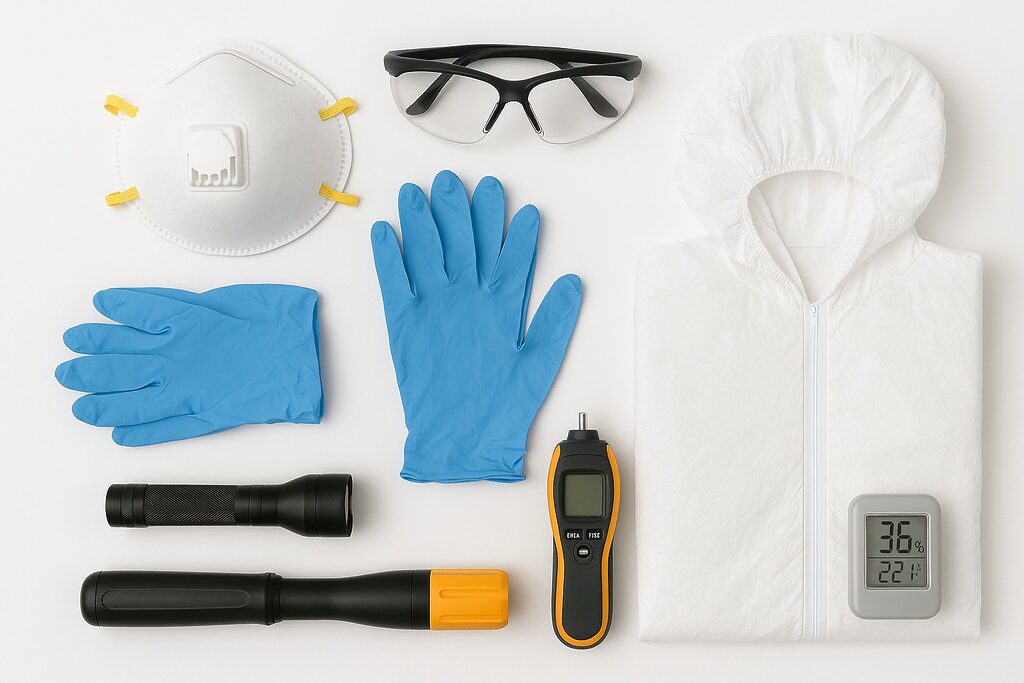
Before touching any moldy surface, protect your health. Mold releases spores into the air that can cause irritation when inhaled.
Wear Protective Gear
Always wear:
– Nitrile gloves (latex won’t block mold spores)
– N95 mask to avoid breathing in airborne particles
– Safety goggles to shield your eyes
– Long sleeves and pants to minimize skin exposure
Work in a well-ventilated space. Open windows or use a fan to direct air outward and reduce spore concentration indoors.
Isolate the Area
Close doors to the room and cover vents if possible. This helps contain mold spores and prevents them from spreading to other parts of your home during cleanup.
Identify the Type and Extent of the Mold

Not all discoloration is mold, but certain signs make it clear you are dealing with a real infestation.
Recognize Common Mold Signs
Look for:
– Dark stains (black, green, or brown) in corners or seams
– Fuzzy or powdery texture on wood or walls
– Musty, earthy odor even when cabinets are empty
– Peeling paint or warped surfaces, which suggest prolonged moisture exposure
If the affected area is larger than 10 square feet, consider hiring a professional mold remediation service.
Test for Mold (Optional)
Use a DIY mold test kit from a hardware store to confirm the presence of mold and identify the type. These kits involve swabbing or air sampling and sending results to a lab. While not always necessary for small outbreaks, they can help if you suspect hidden mold or recurring issues.
Remove the Moisture Source First
Eliminating mold starts with removing the moisture that feeds it. Without fixing the root cause, mold will return, even after a thorough cleaning.
Check for Leaks Under Sinks
Inspect pipes under kitchen and bathroom cabinets:
– Look for dripping, condensation, or pooled water
– Feel for damp insulation or soggy cabinet flooring
– Tighten loose fittings or replace worn washers
Fix leaks immediately and dry the area completely before proceeding with cleaning.
Reduce Indoor Humidity
High humidity (above 60%) encourages mold growth. Use a hygrometer (humidity monitor) to check levels in your kitchen and bathrooms.
To lower humidity:
– Run exhaust fans during and after cooking or showering
– Use a dehumidifier in damp areas
– Ensure proper ventilation by opening windows when safe or installing a vent fan
Aim to keep indoor humidity between 30% and 50%.
Prepare Your Cabinets for Cleaning
Empty and clean the cabinet thoroughly to ensure no mold spores remain.
Remove All Contents
Take everything out of the cabinet. Check dishes, containers, and packaging for mold spores or moisture damage.
Wash glass, metal, and plastic items with hot, soapy water. Discard cardboard, paper, or porous materials that have been exposed to mold.
Ventilate the Space
Open cabinet doors and nearby windows. Place a fan near the opening to blow air out of the room. Let the cabinet air out for at least 30 minutes before cleaning.
Choose the Right Cleaning Solution
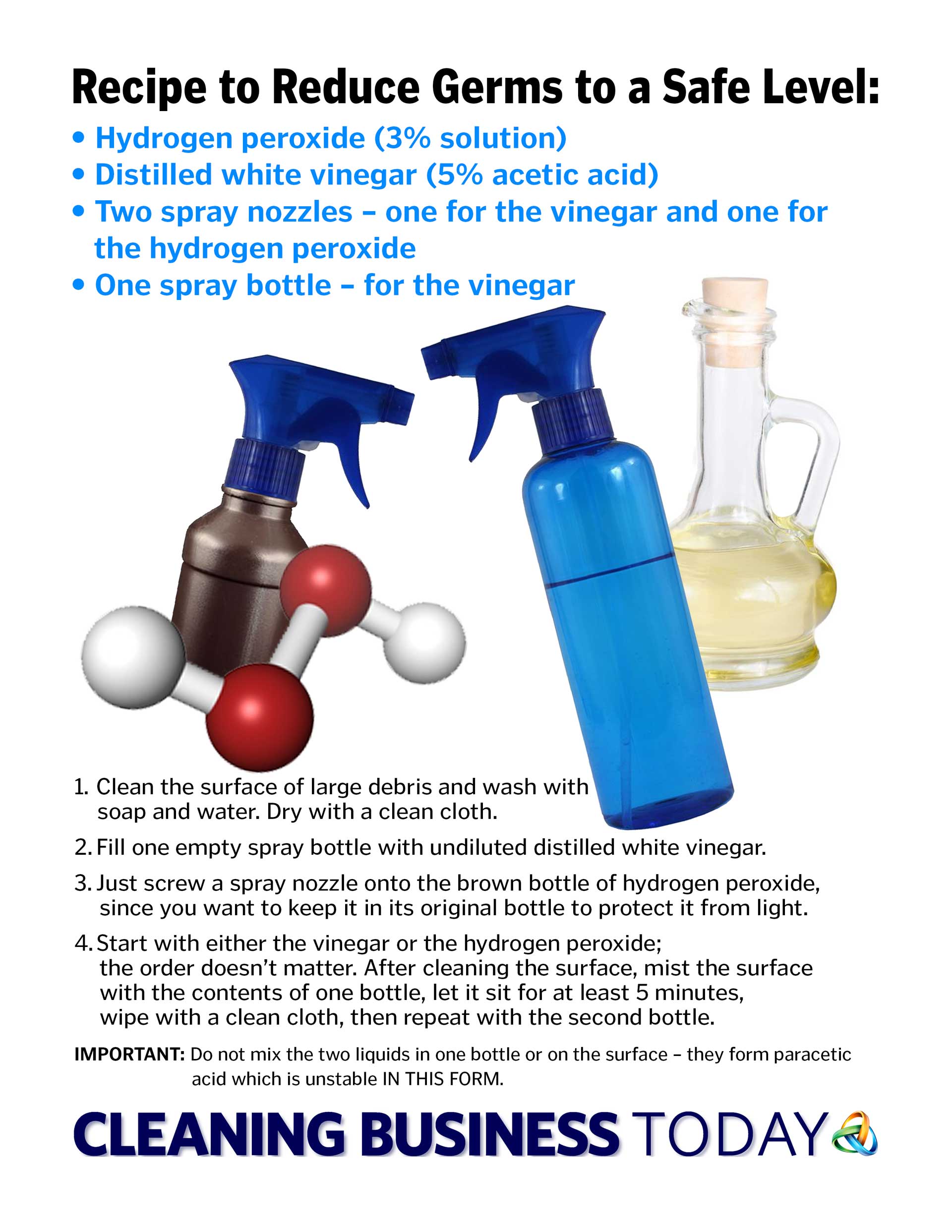
Not all cleaners kill mold effectively. Some only remove the stain, not the spores.
Use White Vinegar for a Natural Mold Killer
White vinegar (5% acidity) kills about 82% of mold species and penetrates porous surfaces.
How to use:
1. Pour undiluted vinegar into a spray bottle
2. Spray directly onto moldy areas
3. Let sit for 1 hour
4. Wipe clean with water and dry thoroughly
Vinegar leaves a strong smell that fades within a few hours.
Try Hydrogen Peroxide for Disinfection
3% hydrogen peroxide is effective, safe on most surfaces, and does not leave toxic residue.
Steps:
1. Spray or pour directly on mold
2. Wait 10 minutes
3. Scrub with a brush or cloth
4. Wipe dry
Test on a small area first because peroxide can bleach some finishes.
Avoid Bleach on Porous Materials
While bleach kills mold on non-porous surfaces like tile, it does not penetrate wood or particleboard. The water in bleach can actually feed mold roots, causing regrowth. Use bleach only on sealed countertops or metal parts, never on bare wood.
Scrub and Disinfect Moldy Surfaces
Now that you have chosen your cleaner, it is time to remove the mold.
Clean Corner Joints and Seams
Mold hides in cracks and crevices. Use a soft-bristle brush or old toothbrush dipped in your cleaning solution to scrub:
– Inside corners
– Edges of shelves
– Where the back panel meets the sides
Focus on areas with visible staining or texture changes.
Wipe Down All Interior Surfaces
Even areas that look clean may harbor spores. Spray your chosen solution on:
– Shelves
– Cabinet doors
– Interior walls
– Hardware (handles and hinges)
Let the solution dwell for the recommended time, then wipe with a microfiber cloth.
Dry Completely
Moisture left behind invites mold back. After cleaning:
– Wipe all surfaces with a dry cloth
– Leave cabinet doors open
– Use a fan or dehumidifier to speed drying
– Wait at least 6 to 8 hours before replacing items
Repair Damaged Cabinet Materials
If mold has damaged the cabinet structure, repair or replace affected parts.
Replace Rotted or Swollen Panels
Particleboard and MDF swell when wet and cannot be fully restored. If:
– Wood feels soft or crumbles
– Edges are warped or blistered
– Back panel is dark and damp
Cut out the damaged section and replace it with a new piece of moisture-resistant material like marine-grade plywood or PVC board.
Seal Wood Surfaces
After cleaning and drying, apply a mold-resistant sealant to bare wood. This creates a barrier against future moisture. Use:
– Clear polyurethane with mold inhibitors
– Waterproof primer before repainting
– Epoxy coatings for high-moisture zones
Let dry completely before reassembly.
Prevent Future Mold Growth
Stopping mold before it starts is the best defense. Make these habits part of your routine.
Improve Air Circulation
Stagnant air traps moisture. Do the following:
– Leave small gaps between cabinets and walls
– Avoid overpacking shelves to allow airflow
– Install ventilation grilles in cabinet doors if needed
Open cabinet doors occasionally to let air move through, especially after running the dishwasher.
Use Moisture Absorbers
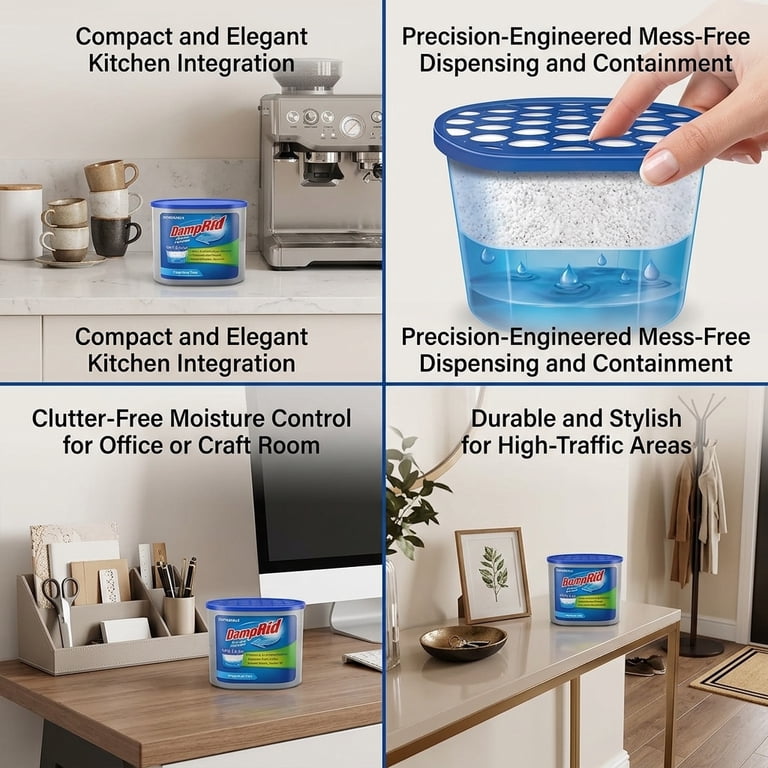
Place reusable silica gel packs or activated charcoal bags inside cabinets to absorb excess humidity. Replace or recharge them monthly.
Alternatively, use a small desiccant dehumidifier like DampRid in problem areas.
Insulate Cold Water Pipes
Sweating pipes under sinks cause condensation. Wrap them with foam pipe insulation to prevent water buildup on cabinet floors.
Frequently Asked Questions About Mold in Cabinets
Can I use bleach to remove mold from wood cabinets?
Bleach is not recommended for porous materials like wood. It does not penetrate the surface and the water content can feed mold roots. Use white vinegar or hydrogen peroxide instead.
How long does it take to get rid of mold in cabinets?
The active cleaning process takes about 2 to 3 hours. Drying the cabinet thoroughly takes an additional 6 to 8 hours before you can put items back.
What causes mold to grow inside cabinets?
The main causes are moisture and poor ventilation. Leaks under sinks, high indoor humidity, and condensation from cold water pipes create the damp environment mold needs to thrive.
Is mold in cabinets dangerous to my health?
Yes, mold can cause allergy symptoms, respiratory issues, and worsen asthma. Prolonged exposure may lead to more serious health problems, especially for sensitive individuals.
How do I prevent mold from coming back in my cabinets?
Keep humidity levels between 30% and 50%. Fix any leaks promptly, improve air circulation, use moisture absorbers, and inspect your cabinets regularly for early signs of dampness.
When should I hire a professional for mold removal?
Call a professional if the mold covers more than 10 square feet, returns after multiple cleanings, or if you suspect hidden mold behind walls. Also seek help if anyone in your home has chronic respiratory issues.
Key Takeaways for Eliminating Mold From Cabinets
Getting rid of mold in cabinets requires more than a quick wipe. It demands identifying the moisture source, thorough cleaning, and ongoing prevention. By acting quickly and consistently, you protect your home and health.
Regular inspections, proper ventilation, and humidity control are simple steps that go a long way. Keep cabinets dry, clean spills immediately, and never ignore a musty smell.
Start by checking for leaks and moisture sources today. Then follow the cleaning steps outlined here to eliminate existing mold. With this plan, you can get rid of mold in cabinets for good and keep your storage spaces safe and fresh.


