
You just finished a kitchen refresh and the painted cabinets look flawless—smooth, crisp, and exactly the style you wanted. But now the lingering question: how long will they hold up before chips, scratches, or peeling ruin the look? Painted cabinets typically last between 8 to 15 years, but that range depends heavily on preparation, paint quality, and daily care.
Some painted cabinets fail within two years due to shortcuts, while others remain beautiful for decades. The difference comes down to what’s underneath the paint, how it was applied, and how you treat the surfaces over time. If you’re planning to paint cabinets or wondering whether yours need attention, this guide covers what affects longevity, how to extend it, and when to repaint or replace.
In this guide, you’ll learn the key factors that determine painted cabinet lifespan, warning signs of failure, and practical steps to protect your investment.
Factors That Determine Cabinet Paint Durability
Several variables influence whether your painted cabinets last five years or fifteen. Understanding these helps you make better decisions during the project and beyond.
Surface Preparation Quality
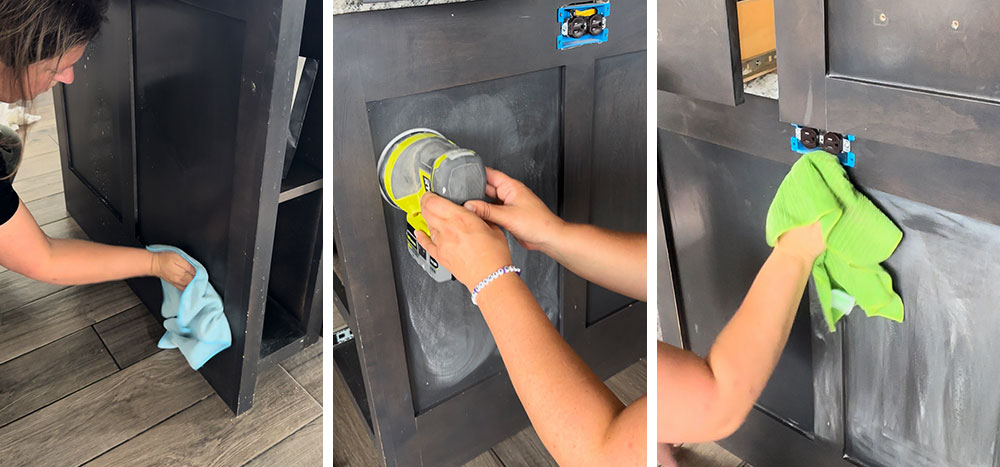
The prep work matters more than any other step. Skipping or rushing it leads to peeling and bubbling within months.
- Clean all surfaces thoroughly with a degreaser to remove grease, dust, and grime.
- Sand with 120 to 220 grit paper to create texture for paint adhesion.
- Use a liquid deglosser on glossy or varnished surfaces.
- Fill dents and holes with wood filler, then sand smooth.
Pro Tip: Wipe surfaces with a tack cloth after sanding. Leftover dust causes bumps and weakens the bond.
Paint Type Selection
The paint formula directly impacts how well your cabinets resist wear.
- Latex paint cleans up easily and dries fast but needs a strong primer and topcoat for durability.
- Oil-based paint offers superior hardness and moisture resistance but takes longer to dry.
- Cabinet-grade paints from brands like Benjamin Moore Advance or Sherwin-Williams ProClassic self-level and resist brush marks.
Expert Note: Cabinet-grade paints create a near-spray finish even when applied with a brush or roller.
Primer Application
Primer is the glue between your cabinet surface and the paint. Skipping it is a costly mistake.
- Bonding primers like Zinsser BIN or Bullseye 1-2-3 work best on glossy or laminated surfaces.
- Oil-based primers block stains and tannin bleed from wood.
- Apply one full coat, let it dry completely, then sand lightly before painting.
Warning: Using interior wall primer on cabinets often leads to premature failure. Invest in the right product.
Topcoat Protection
A clear topcoat adds a protective layer that extends paint life significantly.
- Polycrylic is water-based, clear, and dries fast. Ideal for light-colored cabinets.
- Polyurethane is oil-based, more durable, and water-resistant but may yellow over time.
- Apply two to three thin coats with light sanding between layers using 320-grit paper.
Pro Tip: Some premium cabinet paints skip the topcoat, but adding one boosts durability in kitchens and bathrooms.
Cabinet Material Impact on Paint Longevity
The surface beneath the paint determines how well the finish holds up.
Solid Wood Cabinets
Hardwoods like oak, maple, or birch provide the best painting surface.
- Naturally stable and resistant to expansion and contraction.
- Accepts paint and primer well when properly sanded.
- Can be sanded and repainted multiple times over decades.
Note: Softwoods like pine dent easily and may show brush strokes more prominently.
Plywood and MDF Cabinets
Many modern cabinets use plywood with veneer or medium-density fiberboard doors.
- MDF has a smooth surface that paints beautifully but swells when exposed to water.
- Seal all edges and the backside to prevent moisture absorption.
- Handle carefully during installation to avoid chipping.
Tip: Apply a wood conditioner or sealer to raw MDF edges before priming.
Laminate and Thermofoil Surfaces
Older or budget kitchens often feature these materials, which pose adhesion challenges.
- Laminate is non-porous and smooth. Thoroughly degloss and use a bonding primer.
- Thermofoil has a vinyl wrap that can peel or bubble if painted without proper prep.
Warning: Painting thermofoil cabinets often shortens lifespan unless professionally stripped first.
Environmental and Usage Factors
Daily habits and room conditions play a major role in how long painted cabinets last.
Humidity and Moisture Exposure
Kitchens and bathrooms experience constant humidity that weakens paint adhesion.
- Install exhaust fans or open windows to reduce steam buildup.
- Wipe cabinet exteriors regularly to prevent moisture accumulation.
- Avoid placing painted cabinets directly beside dishwashers or sinks without a moisture barrier.
Sign of Trouble: Swelling, bubbling, or peeling near the sink or stove signals moisture damage.
Sunlight and UV Fading
Direct sunlight fades paint, especially lighter colors.
- Use window treatments or UV-blocking films to reduce exposure.
- Choose paints with UV-resistant pigments for better color retention.
Observation: South-facing kitchens fade faster. Inspect these cabinets annually.
Daily Wear and Tear
High-touch areas like edges, handles, and lower cabinets face the most abuse.
- Frequent opening and closing causes friction and chipping.
- Oily hands transfer residue that makes surfaces sticky and harder to clean.
Pro Tip: Install soft-close hinges and drawer slides to reduce impact and slow wear.
Warning Signs Your Painted Cabinets Are Failing
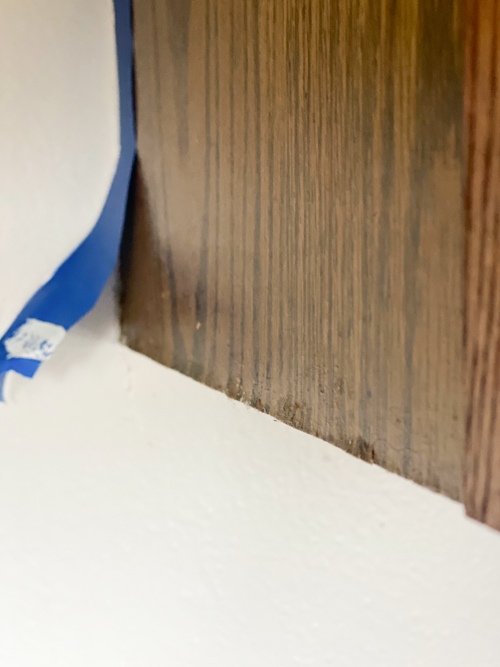
Recognizing early signs of damage helps you decide between simple touch-ups and full refinishing.
Chipping and Peeling Edges
Edges endure the most physical contact. Flaking here often indicates poor prep or missing topcoat.
- Small chips can be touched up with matching paint and clear sealant.
- Widespread peeling means the bond has failed. Full refinishing may be necessary.
Bubbling or Blistering
Bubbles form from trapped moisture or heat exposure.
- Caused by painting over damp surfaces or near heat sources like ovens.
- If bubbles cover large areas, sand down and repaint after fixing the moisture issue.
Discoloration and Yellowing
White or off-white cabinets may yellow over time, especially with oil-based topcoats.
- Water-based polycrylic minimizes yellowing.
- Clean with mild soap and water. Avoid bleach or ammonia-based cleaners that accelerate fading.
Sticky or Grimy Surfaces
A sticky feel means residue buildup or a failing topcoat.
- Caused by cooking grease mixing with degraded finish.
- Clean with warm water and mild dish soap. If stickiness remains, the finish may need stripping.
How to Extend Painted Cabinet Lifespan
Smart maintenance habits dramatically increase how long your painted cabinets look great.
Establish a Regular Cleaning Routine
Dust and grease break down paint over time. Clean cabinets monthly.
- Use a soft microfiber cloth and mild cleaner.
- Avoid abrasive pads or harsh chemicals like oven cleaner.
- Dry immediately after cleaning to prevent water spots.
Recommended Cleaner: Mix 1 cup warm water, 1 teaspoon dish soap, and 1 teaspoon white vinegar.
Minimize Moisture Exposure
Keep cabinet exteriors dry, especially near sinks and appliances.
- Wipe down after cooking or dishwashing.
- Fix leaking faucets or dishwasher seals promptly.
- Leave cabinet doors open occasionally to air out moisture.
Install Cabinet Hardware
Reduce hand contact by adding knobs or pulls.
- Minimizes oil transfer and wear on painted surfaces.
- Choose soft-grip hardware to reduce impact when closing.
Upgrade Tip: Soft-close mechanisms prevent slamming and reduce stress on joints and paint.
Perform Touch-Up Maintenance
Address small flaws early before they spread.
- Keep leftover paint in a labeled, airtight container.
- Use a fine brush to fill chips, then seal with clear polycrylic.
- Sand lightly and blend edges for an invisible fix.
When to Repaint or Replace Painted Cabinets
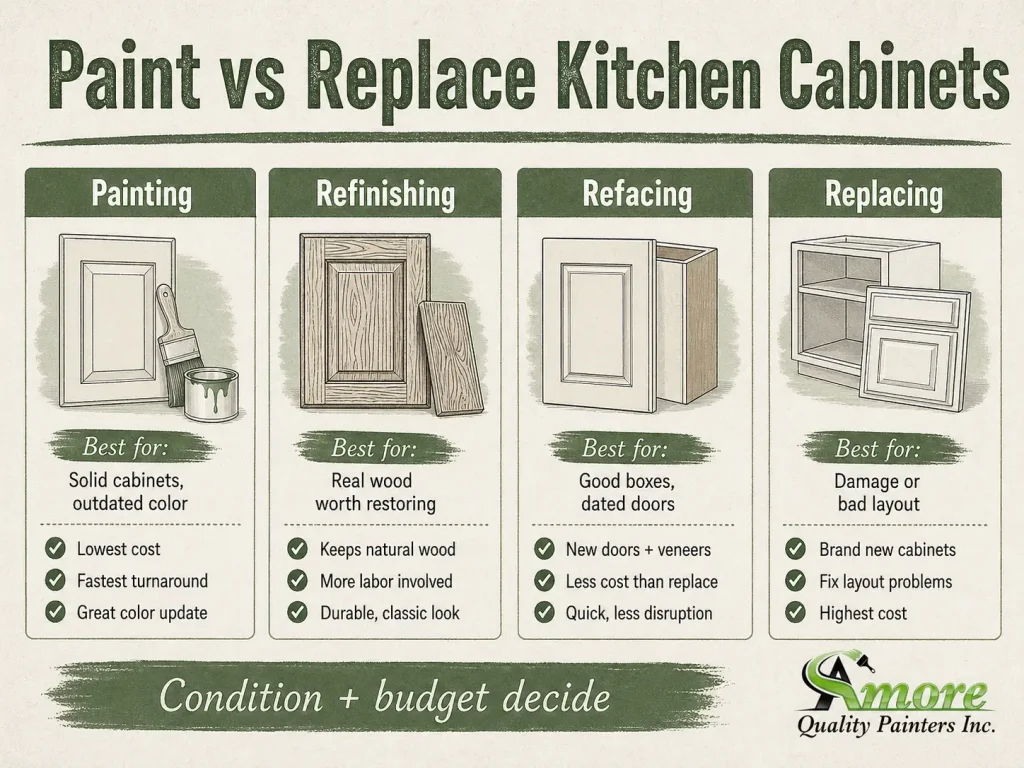
Even with excellent care, painted cabinets eventually need attention.
Repaint When the Structure Is Sound
- The finish is worn but the cabinet boxes and doors are solid.
- You want a new color or updated style.
- Damage is limited to the paint surface, not the wood itself.
Time Estimate: Professional repainting takes 3 to 7 days. DIY projects take 1 to 2 weeks with proper drying time.
Replace When Structural Damage Exists
- Cabinets are warped, swollen, or structurally compromised.
- Multiple layers of paint are cracking or peeling.
- You’re upgrading the kitchen layout or storage configuration.
Cost Insight: Repainting costs one-third to one-half of full cabinet replacement. It’s ideal for budget-conscious updates.
Realistic Lifespan Expectations by Scenario
Lifespan varies widely based on preparation, materials, and usage. Here’s what to expect.
Budget DIY Paint Job
- Prep: Minimal sanding, basic primer, wall paint used.
- Lifespan: 3 to 5 years.
- Outcome: Early chipping and poor adhesion, especially on high-use doors.
Professional-Quality DIY
- Prep: Full clean, sand, bond primer, cabinet-grade paint, topcoat.
- Lifespan: 10 to 15 years.
- Outcome: Smooth finish, durable, minimal maintenance needed.
Professionally Painted Cabinets
- Materials: High-end paint, proper tools, climate-controlled environment.
- Lifespan: 15 years or more.
- Outcome: Near-factory finish with excellent wear resistance.
High-Traffic Kitchen
- Use: Three or more meals daily, kids, frequent cooking.
- Lifespan: 5 to 8 years even with good prep.
- Tip: Apply extra topcoats and clean weekly.
Frequently Asked Questions About Painted Cabinet Lifespan
How long do painted cabinets last in a rental property?
Rental cabinets face heavier use and less careful maintenance. Expect 3 to 7 years depending on tenant habits. Use durable cabinet-grade paint and extra topcoats to maximize lifespan.
Can painted cabinets last 20 years?
Yes, with professional preparation, high-end materials, and consistent maintenance. Solid wood cabinets with cabinet-grade paint and proper topcoats can exceed 20 years in low-traffic homes.
Does cabinet color affect paint longevity?
Darker colors show wear less than white or light shades. However, the paint quality and prep matter more than color. UV-resistant pigments help all colors resist fading.
How often should painted cabinets be repainted?
Most painted cabinets need repainting every 8 to 15 years. High-traffic kitchens may need attention every 5 to 8 years. Touch-ups extend time between full repaints.
Is it worth repainting cabinets instead of replacing them?
Repainting costs one-third to one-half of replacement and delivers a fresh look. If the cabinet structure is sound, repainting is a smart investment.
What is the best paint for long-lasting cabinets?
Cabinet-grade paints like Benjamin Moore Advance or Sherwin-Williams ProClassic offer superior durability. Pair them with a bonding primer and clear topcoat for maximum lifespan.
Key Takeaways for Maximizing Painted Cabinet Lifespan
Painted cabinets last 8 to 15 years on average, but your habits and preparation determine the outcome. The most critical factors are thorough surface prep, quality materials, and consistent maintenance.
- Invest time in proper cleaning, sanding, and priming before painting.
- Choose cabinet-grade paint and add a protective topcoat.
- Clean regularly with mild products and address chips or peeling early.
- Control humidity and reduce direct sunlight exposure.
Whether you’re starting a paint project or preserving existing cabinets, these steps keep your kitchen looking fresh for years. Start by inspecting your current cabinets for early warning signs, then apply the maintenance routine that fits your home.


