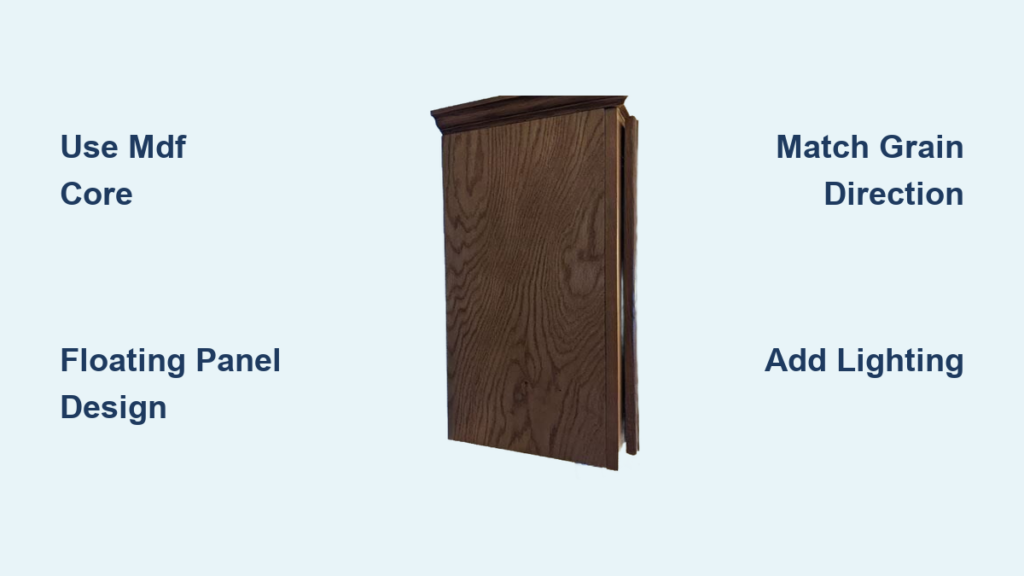

Every dining room has that one awkward corner that seems impossible to fill. You might struggle to find dining room corner cabinet ideas that turn this dead space into a functional and stylish asset for your home.
This guide reveals how to select the perfect unit, optimize storage with smart layouts, and use lighting to create a stunning focal point. You will learn specific strategies to match your décor while maximizing every inch of available space.
Choose Between Built-In and Freestanding Corner Units
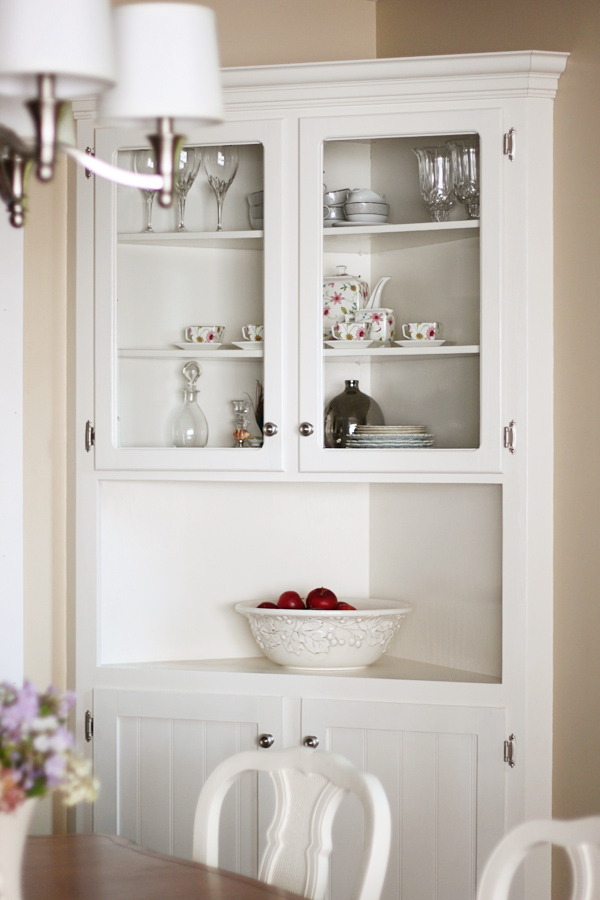
Selecting the right structure is the first step in your design journey. Your choice depends on whether you need permanent integration or flexible mobility for your dining area.
Built-In Solutions for Seamless Integration
Built-in corner cabinets offer a custom look that flows with your architectural lines. These units maximize storage capacity without blocking foot traffic in the room. They are ideal for formal dining spaces where a cohesive, high-end appearance is desired.
Freestanding Options for Flexibility
Freestanding models provide excellent flexibility if you rent or frequently rearrange furniture. These units are often more affordable and require no structural changes to your home. You can easily move them to a different room if your needs change later.
Hybrid Designs for Balanced Storage
Some designs combine open shelving with closed cabinets to balance display and concealment. This approach prevents the corner from feeling too heavy or cluttered visually. It allows you to show off beautiful items while hiding everyday utility pieces.
Maximize Storage With Glass-Front and Closed Designs

Your storage needs dictate whether you should showcase your collection or hide everyday clutter. Understanding the difference helps you select the right door style for your lifestyle.
Glass-Front Cabinets for Display Focus
Opt for glass-front cabinets if you want to display fine china or elegant glassware. Clear or textured glass doors highlight your collections while keeping dust away from your items. Interior lighting works best with these units to enhance the visual impact of your display.
Closed Cabinets for Clutter Control
Solid-door cabinets are essential for hiding less attractive items like napkins or kitchen gadgets. This choice maintains a clean and uncluttered appearance throughout your dining area. Use these for storing utilitarian objects that you need but do not wish to see.
Combining Open and Closed Sections
Mixing open shelves with closed storage creates a dynamic and practical visual rhythm. Display your best stemware openly while tucking away mismatched dishes behind doors. This balance keeps the room feeling light yet highly functional for daily use.
Optimize Awkward Angles With Smart Interior Layouts
Deep corners often become black holes where items get lost forever. Specific interior configurations can solve this common spatial problem effectively.
Install Lazy Susans for Easy Access
Rotating lazy Susans are perfect for reaching items stored deep in the corner. These prevent the “lost zone” effect where front items block access to back items. They work exceptionally well for storing serving platters or heavy bowls.
Use Pie-Cut Shelves for Depth
Pie-cut shelves are designed specifically to fit the triangular shape of corner units. This design ensures you utilize the full depth of the cabinet without wasting space. It makes organizing plates and stacks much more efficient than standard rectangular shelves.
Incorporate Pull-Out Pantry Solutions
Narrow pull-out units are excellent for storing spices or cocktail supplies near the dining table. These mechanisms slide out smoothly to reveal contents that would otherwise be hard to reach. Soft-close features add a touch of luxury and prevent slamming noises.
Match Cabinet Finishes to Your Dining Room Décor
The finish you choose determines how well the new piece integrates with your existing furniture. Coordination creates harmony while contrast can create a bold statement.
Blend With Existing Wood Tones
Select a finish that matches your dining table or sideboard for a unified look. Traditional woods like oak or walnut add warmth and timeless elegance to the space. Consistency in wood tone helps the corner cabinet feel like an original part of the room.
Use Light Colors to Expand Space
White or light-colored cabinetry makes a small dining area feel larger and brighter. This is a strategic choice for rooms with limited natural light or compact floor plans. It reflects light and reduces the visual weight of the furniture piece.
Create Contrast With Bold Colors
Make the cabinet a focal point by choosing a color that contrasts with surrounding walls. A navy blue or black unit draws the eye and establishes a unique design statement. This works well when you want the corner to serve as an artistic centerpiece.
Illuminate Your Display With Strategic Lighting

Lighting transforms a simple storage box into a glowing feature of your dining room. It serves both practical visibility and atmospheric mood-setting purposes.
Install LED Strips for Even Glow
LED strips mounted along the top interior edge provide bright, even illumination. These low-profile lights brighten contents without creating harsh glare on glass surfaces. Warm white tones enhance wood finishes and make glassware sparkle invitingly.
Use Puck Lights for Downward Focus
Puck lights mounted on the cabinet ceiling offer strong downward illumination for specific shelves. They are ideal for highlighting a particular vase or stack of decorative plates. Touch-activated switches add convenience so you do not need to fumble in the dark.
Highlight Key Decorative Pieces
Use directional lighting to cast subtle shadows and add dimension to your display items. This technique works best for heirloom vases or vintage clocks you want to emphasize. Avoid over-lighting which can create unwanted reflections on glass doors.
Organize Inventory by Function and Frequency
Proper organization ensures your cabinet remains useful rather than just a dust collector. Grouping items logically makes setting the table faster and easier.
Store Fine China and Everyday Dishes
Keep formal dinnerware in upper glass sections for protection and display. Store everyday plates in lower cabinets or drawers for quick daily access. Grouping matching sets together creates a clean and organized visual line.
Arrange Glassware and Stemware Safely
Wine glasses and tumblers look stunning when backlit in a glass-front unit. Use specialized racks on doors or shelves to prevent tipping and save valuable space. This keeps delicate stems secure while making them easy to grab.
Dedicate Space for Wine and Beverages
Lower cabinets or pull-out bins are perfect for wine bottles and cocktail shakers. Include a small drawer nearby for corkscrews and drink stirrers to complete the station. Some corner units even include built-in wine racks for maximum efficiency.
Rotate Seasonal and Holiday Decor
Use high shelves or closed cabinets to store holiday centerpieces and themed tableware. Labeling bins ensures you can find these items quickly when the season arrives. This keeps your daily dining surfaces free of unnecessary clutter year-round.
Enhance Flow and Proportion in Small Rooms
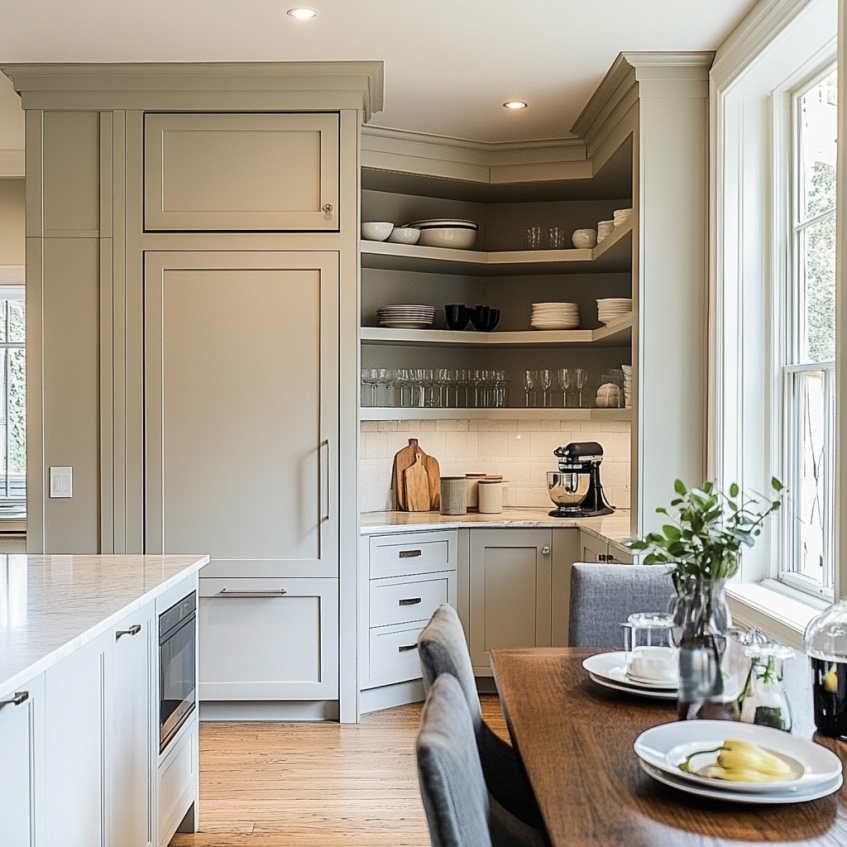
Scaling your choice to the room size prevents the furniture from overwhelming the space. Proper proportion ensures the corner enhances rather than hinders movement.
Scale Cabinet Size to Room Dimensions
Choose a compact hutch for small dining areas to avoid blocking pathways. In larger rooms, you can go bold with floor-to-ceiling double-door units. The goal is to fill the corner without dominating the entire room volume.
Maintain Clear Walking Paths
Ensure cabinet doors do not obstruct dining chairs or main traffic flow. Allow at least 36 inches between the cabinet and the table edge for comfortable movement. This spacing prevents accidents and makes the room feel open and inviting.
Balance Visual Weight Across the Room
Pair a tall corner cabinet with a similarly sized piece on the opposite wall. A credenza or large mirror can create symmetry and balance the visual weight. This prevents one side of the room from feeling heavier than the other.
Add Decorative Flair to Your Display
Styling your cabinet turns it from a utility piece into a personal gallery. Small touches make the display feel curated and inviting to guests.
Style With Greenery and Art Pieces
Place small potted plants or succulents inside to add life and color to the display. Adding a miniature sculpture or framed photo introduces personality to the arrangement. Natural elements soften the hard lines of stacked dishes and glass.
Rotate Displays Based on Seasons
Change your display items with the seasons to keep the look fresh and relevant. Use pumpkin decor in fall or pastel dishes in spring to reflect the time of year. This simple rotation makes the cabinet feel dynamic rather than static.
Use Back Panel Color for Depth
Paint the back panel a contrasting color or apply peel-and-stick wallpaper for depth. A deep emerald or floral pattern makes displayed items pop against the background. This detail adds a layer of sophistication to the overall design.
Frequently Asked Questions About Dining Room Corner Cabinets
What is the best way to organize a deep corner cabinet?
Install rotating lazy Susans or pie-cut shelves to access items easily. These solutions eliminate dead zones and allow you to reach items stored in the back without moving everything in front.
Should I choose a glass-front or solid-door corner cabinet?
Choose glass-front units to display fine china and glassware as a visual centerpiece. Select solid doors if you need to hide everyday clutter or utilitarian items to maintain a tidy appearance.
How can I make a corner cabinet stand out in my dining room?
Use bold paint colors or contrasting materials to make the unit a focal point. Adding internal LED lighting also draws attention and creates an inviting ambiance during evening meals.
What items are best stored in a dining room corner cabinet?
Ideal items include fine china, glassware, serving platters, wine bottles, and seasonal decor. These units are designed to house both display pieces and functional dining essentials efficiently.
How do I ensure the cabinet does not block traffic flow?
Scale the cabinet size to your room dimensions and maintain at least 36 inches of clearance. Ensure that doors or pull-outs do not obstruct dining chairs or main walking paths.
Key Takeaways for Your Dining Room Corner Cabinet Project
Transforming an awkward corner requires choosing the right balance between style and function. Whether you select a built-in unit or a freestanding piece, ensure it complements your existing décor and maximizes your storage needs.
Start by assessing your inventory and deciding what you want to display versus hide. With the right lighting and organizational tools like lazy Susans, your new corner cabinet will become the most functional and beautiful part of your dining room.