
Choosing the right hardware for your kitchen cabinets can make a big difference in both function and style. Whether you’re remodeling or building from scratch, how to choose hardware for kitchen cabinets is a common question with answers that go beyond aesthetics. Cabinet hardware, like knobs, pulls, and hinges, not only affects how easy your cabinets are to use but also ties your entire kitchen design together. The wrong choice can clash with your decor or wear out quickly, while the right pick enhances durability, comfort, and visual appeal.
With so many materials, finishes, sizes, and styles available, it’s easy to feel overwhelmed. But by focusing on a few key factors, such as cabinet type, kitchen style, daily use, and long-term maintenance, you can narrow down the best options. This guide walks you through every step of selecting cabinet hardware that looks great and works well for years.
Match Hardware to Cabinet Style
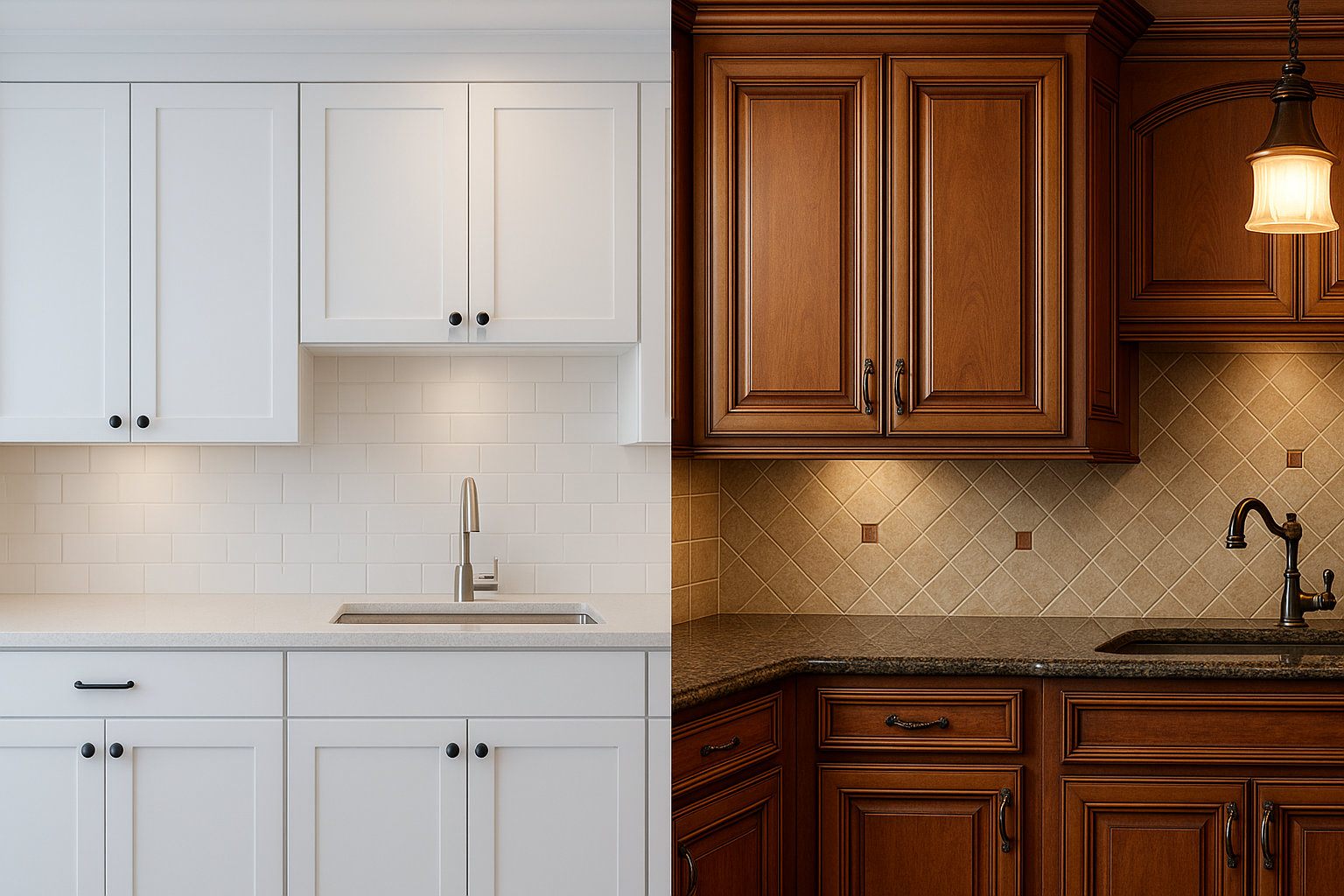
Your cabinet design should guide your hardware choices. Different door styles pair better with certain types of pulls or knobs, helping maintain visual harmony.
Shaker Cabinets: Simple and Timeless
Shaker-style cabinets feature clean lines and recessed panels. They work best with hardware that complements their minimalist look.
- Ideal choices: Slim bar pulls, bin pulls, or small round knobs
- Recommended materials: Brushed nickel, matte black, or unlacquered brass
- Pro tip: Center-mounting knobs on doors and using pulls on drawers creates a balanced, classic look
Avoid overly ornate designs that compete with the simplicity of Shaker doors.
Flat-Panel or Modern Cabinets
Modern kitchens often use flat-panel doors with no detailing. Hardware here becomes a focal point.
- Best options: Long linear pulls, sleek recessed handles, or minimalist T-handles
- Finishes that shine: Polished chrome, satin brass, or gunmetal
- Design note: Consider flush-mount or push-to-open mechanisms for a handle-free, ultra-modern appearance
Hardware should enhance, not interrupt, the clean geometry of modern cabinetry.
Traditional or Raised-Panel Cabinets
These cabinets have decorative details and deeper profiles, calling for more substantial hardware.
- Top picks: Bail pulls, cup pulls, or vintage-style knobs
- Classic finishes: Antique brass, oil-rubbed bronze, or aged pewter
- Placement tip: Align hardware with the center of the panel for a symmetrical, elegant look
Choose pieces with some visual weight to match the richness of traditional woodwork.
Select the Right Type of Hardware

Not all cabinet hardware serves the same purpose. Understanding the types helps you choose what works best where.
Knobs vs. Pulls: What’s the Difference?
Knobs are single-point fixtures, while pulls span two or more screw holes.
- Knobs: Best for upper cabinets and smaller doors; require less hand movement
- Pulls: Ideal for lower cabinets and drawers; easier to grip with full hands
- Common hybrid approach: Use knobs on doors, pulls on drawers
For households with limited grip strength, pulls offer better leverage.
Bar Pulls: Size Matters
Bar pulls come in various lengths and thicknesses. Choosing the right size prevents awkward handling.
- Standard drawer sizes:
- 12″ drawer → 7″ pull
- 18″ drawer → 12″ pull
- 24″+ drawer → 16″+ pull
- Rule of thumb: Pull length should be about ⅔ of drawer width
- Avoid: Oversized pulls on small drawers, they look disproportionate
Also consider pull projection (how far it sticks out); deeper projections help with large items.
Specialty Hardware Options
Some kitchens benefit from unique or hidden hardware solutions.
- Recessed finger pulls: Cut directly into the door edge; great for handle-free design
- Push-to-open mechanisms: No visible hardware; ideal for modern or minimalist styles
- Cup pulls (or “J” pulls): Traditional style, often used on lower cabinets
These options enhance aesthetics but may require professional installation.
Choose Durable Materials and Finishes
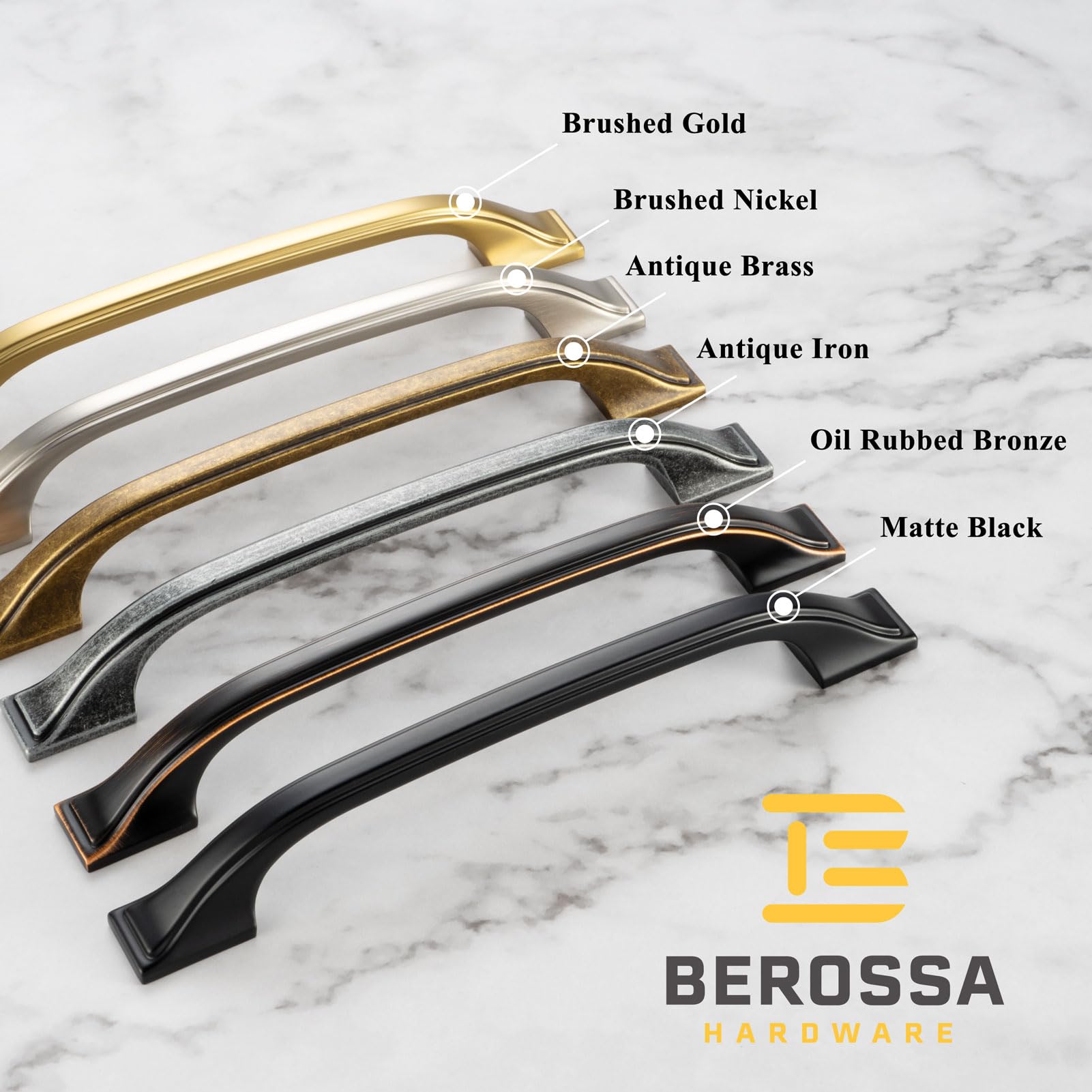
Kitchen hardware takes daily wear and tear. Selecting quality materials ensures longevity and reduces maintenance.
Common Hardware Materials
Each material brings different benefits and care needs.
- Stainless steel: Resists rust and corrosion; ideal for high-moisture areas
- Brass: Naturally antimicrobial; develops a patina over time (can be lacquered or unlacquered)
- Zinc alloy: Affordable and strong; often plated with other finishes
- Ceramic or glass knobs: Decorative; best for low-traffic cabinets
Avoid cheap plastic or thin metal hardware. These materials bend, tarnish, or break quickly.
Popular Finishes and Their Durability
The finish impacts both look and resilience.
| Finish | Appearance | Durability | Best For |
|---|---|---|---|
| Brushed nickel | Soft metallic sheen | High; resists fingerprints | Busy kitchens |
| Matte black | Modern, bold | High; hides smudges | Contemporary designs |
| Polished chrome | Bright, reflective | Medium; shows water spots | Traditional or industrial |
| Oil-rubbed bronze | Warm, dark tone | Medium; may darken over time | Rustic or vintage styles |
Pro tip: Test finish samples under your kitchen lighting. Some look different in warm vs. cool light.
Finish Coordination with Fixtures
Match hardware finishes to other kitchen metals for a cohesive look.
- Do match: Faucet, lighting, and appliance handles
- Can contrast: For intentional design statements (e.g., black hardware with chrome faucet)
- Avoid: Mixing more than two metal finishes unless deliberately styled
Consistency creates a polished, intentional appearance.
Ensure Proper Spacing and Installation

Even the best hardware looks off if installed incorrectly. Proper placement ensures comfort and visual balance.
Standard Placement Guidelines
Follow industry standards for centered and consistent hardware.
- Knobs on cabinet doors:
- Position 2.5″ to 3″ from the corner
- On upper cabinets: near bottom edge
- On lower cabinets: near top edge
- Pulls on drawers:
- Centered horizontally and vertically
- For tall drawers: place pull near top third
Use a template or jig to drill holes accurately. Mistakes are hard to fix.
Dual Hardware on Large Doors
Wide or tall cabinet doors may need two knobs or pulls.
- When to use dual hardware: Doors wider than 24″
- Placement: One near top, one near bottom (on opposite corners)
- Style tip: Use vertical bar pulls or a knob and pull combo
This improves usability and adds visual interest.
Measure Before You Buy
Always check existing hole patterns when replacing hardware.
- Common pull spacings: 3″, 5″, or 96mm, 128mm, 192mm
- Backplate sizes: May cover old holes if switching styles
- Hidden tip: Use adhesive filler or decorative caps to hide unused holes
Buying a sample pack lets you test size and feel before full installation.
Consider Ergonomics and Daily Use
Hardware should be comfortable to use every day, especially in high-traffic kitchens.
Easy Grip for All Users
Think about who uses the kitchen and how.
- For children: Smaller knobs or low-mounted pulls
- For seniors or those with arthritis: Long pulls with deep clearance
- For busy cooks: Smooth operation, no sharp edges
Test hardware in person if possible. Feel the weight and grip.
Avoid Common Comfort Mistakes
Even stylish hardware can fail in practice.
- Too small: Hard to grasp with wet or greasy hands
- Too sharp: Edges can snag clothing or skin
- Too tight to cabinet: Fingers hit the door when pulling
Choose rounded edges and adequate projection (at least 1″ clearance).
Test for Long-Term Comfort
Spend time opening and closing sample cabinets with your chosen hardware.
- Does it feel natural?
- Can you open it with a forearm or elbow?
- Does it leave marks or smudges easily?
Hardware you love at first sight might frustrate after daily use.
Coordinate with Kitchen Design Style
Your overall kitchen theme should influence hardware selection.
Modern and Minimalist Kitchens
Less is more in modern spaces.
- Hardware choice: Long linear pulls, recessed grips, or no hardware
- Finishes: Matte black, brushed nickel, or polished chrome
- Design rule: Keep lines straight and uncluttered
Consider integrated handles that double as door edges.
Farmhouse and Rustic Designs
Warm, inviting kitchens call for vintage charm.
- Top picks: Cup pulls, bin pulls, or porcelain knobs
- Finishes: Aged brass, oil-rubbed bronze, or unlacquered copper
- Style note: Slight imperfections add character
Mix metals sparingly, like brass pulls with iron light fixtures.
Transitional Kitchens
These blend traditional and modern elements.
- Balanced hardware: Simple bar pulls with warm finishes
- Versatile options: Round knobs in satin brass or matte black
- Placement: Consistent across all cabinets for unity
Transitional styles allow flexibility without clashing.
Budget Smartly Without Sacrificing Quality
Cabinet hardware adds up fast, especially with 20+ cabinets.
Set a Realistic Budget
Average cost per piece:
- Basic hardware: $5–$10 per knob or pull
- Mid-range: $10–$25
- Designer or custom: $25+
Total cost for a full kitchen: $150–$800+
Tip: Invest more in high-use drawers (cutlery, pots) and less on upper cabinets.
Where to Save and Where to Splurge
- Splurge on: Drawer pulls (used most), corner cabinet hardware, soft-close mechanisms
- Save on: Decorative knobs for display cabinets or infrequently used doors
Quality hinges and drawer glides matter just as much as visible hardware.
Avoid Cheap Hardware Traps
Low-cost sets often have:
- Thin metal that bends
- Paint that chips within months
- Misaligned screw holes
Buy from reputable brands or suppliers. Even mid-tier options last longer.
Maintain and Care for Hardware
Proper care keeps hardware looking new and functioning well.
Daily Cleaning Tips
Keep hardware smudge-free with simple habits.
- Wipe with a soft, dry cloth weekly
- Use mild soap and water for deeper cleaning
- Avoid abrasive cleaners or steel wool
Matte finishes scratch easily. Clean gently.
Prevent Wear and Tear
Extend hardware life with preventive steps.
- Tighten loose screws every 6 months
- Lubricate hinges with silicone spray if squeaky
- Replace worn-out components early
Check for tarnishing, especially in humid kitchens.
When to Replace Hardware
Signs it’s time for an update:
- Fading or peeling finish
- Wobbly or broken mounts
- Style no longer matches kitchen
Replacement is one of the easiest kitchen refreshes. It often costs under $200.
Frequently Asked Questions About Choosing Kitchen Cabinet Hardware
What size pulls should I use for kitchen drawers?
Pull length should be about ⅔ of the drawer width. For a 12″ drawer, use a 7″ pull. For an 18″ drawer, choose a 12″ pull. For drawers 24″ or wider, select a 16″+ pull.
Should I use knobs or pulls on kitchen cabinets?
Use knobs on upper cabinet doors and smaller doors. Use pulls on lower cabinets and drawers for easier gripping. Many kitchens use a hybrid approach with knobs on doors and pulls on drawers.
What is the standard spacing for cabinet pulls?
Common pull spacings are 3″, 5″, or metric sizes like 96mm, 128mm, and 192mm. Always measure existing holes when replacing hardware to ensure a proper fit.
How far should a knob be placed from the cabinet edge?
Position knobs 2.5″ to 3″ from the corner of the door. On upper cabinets, place them near the bottom edge. On lower cabinets, place them near the top edge.
What finish is most durable for kitchen cabinet hardware?
Brushed nickel and matte black are highly durable. Brushed nickel resists fingerprints, while matte black hides smudges well. Both are excellent for busy kitchens.
How much does it cost to outfit a kitchen with new hardware?
A full kitchen typically costs between $150 and $800+. Basic hardware runs $5–$10 per piece, mid-range options cost $10–$25, and designer pieces start at $25+.
Key Takeaways for Choosing Kitchen Cabinet Hardware
Choosing kitchen cabinet hardware is a blend of form and function. Start by matching hardware to your cabinet style. Shaker cabinets pair well with slim pulls and round knobs, while modern flat-panel doors suit long linear handles. Traditional raised-panel cabinets call for more substantial pieces like bail pulls or vintage knobs.
Prioritize durability and ergonomics. Select materials like stainless steel or brass that resist wear, and choose finishes that hide fingerprints and smudges. Test hardware for comfortable grip, especially if children or seniors use the kitchen. Proper placement and spacing are just as important as the hardware itself.
Set a realistic budget and invest wisely. Splurge on high-use drawers and quality hinges, but save on decorative knobs for less-used cabinets. With careful planning, you can transform your kitchen with hardware that looks beautiful and functions flawlessly for years. Start by measuring your existing cabinets and ordering a sample pack to test sizes and finishes in your space.