
Choosing the right cabinet hardware can transform your kitchen or bathroom from ordinary to stunning. While cabinetry sets the foundation, types of cabinet hardware—like knobs, pulls, hinges, and more—add both function and flair. Whether you’re remodeling or building from scratch, understanding the full range of available hardware helps you make smart, stylish choices that last.
The best hardware doesn’t just look good—it feels right in your hand, complements your design style, and stands up to daily use. From sleek modern bar pulls to vintage-inspired cup pulls, each option serves a purpose. This guide breaks down every major type of cabinet hardware, including materials, finishes, mounting styles, and how to choose the best fit for your space.
Common Cabinet Pull Styles
Cabinet pulls are long handles that require gripping and pulling. They’re ideal for larger doors and drawers, offering better leverage than knobs.
Bar Pulls (Straight or Slight Curve)
Bar pulls are the most popular modern choice. They feature a straight or gently curved metal bar mounted on two screws. Their clean lines suit contemporary, minimalist, and transitional kitchens.
- Available in lengths from 3″ to 12″+
- Best for: Drawer fronts, tall cabinet doors
- Mounting tip: Center pull on drawers; align with drawer edge on doors
- Pro tip: Match bar length to drawer size—longer drawers need longer pulls
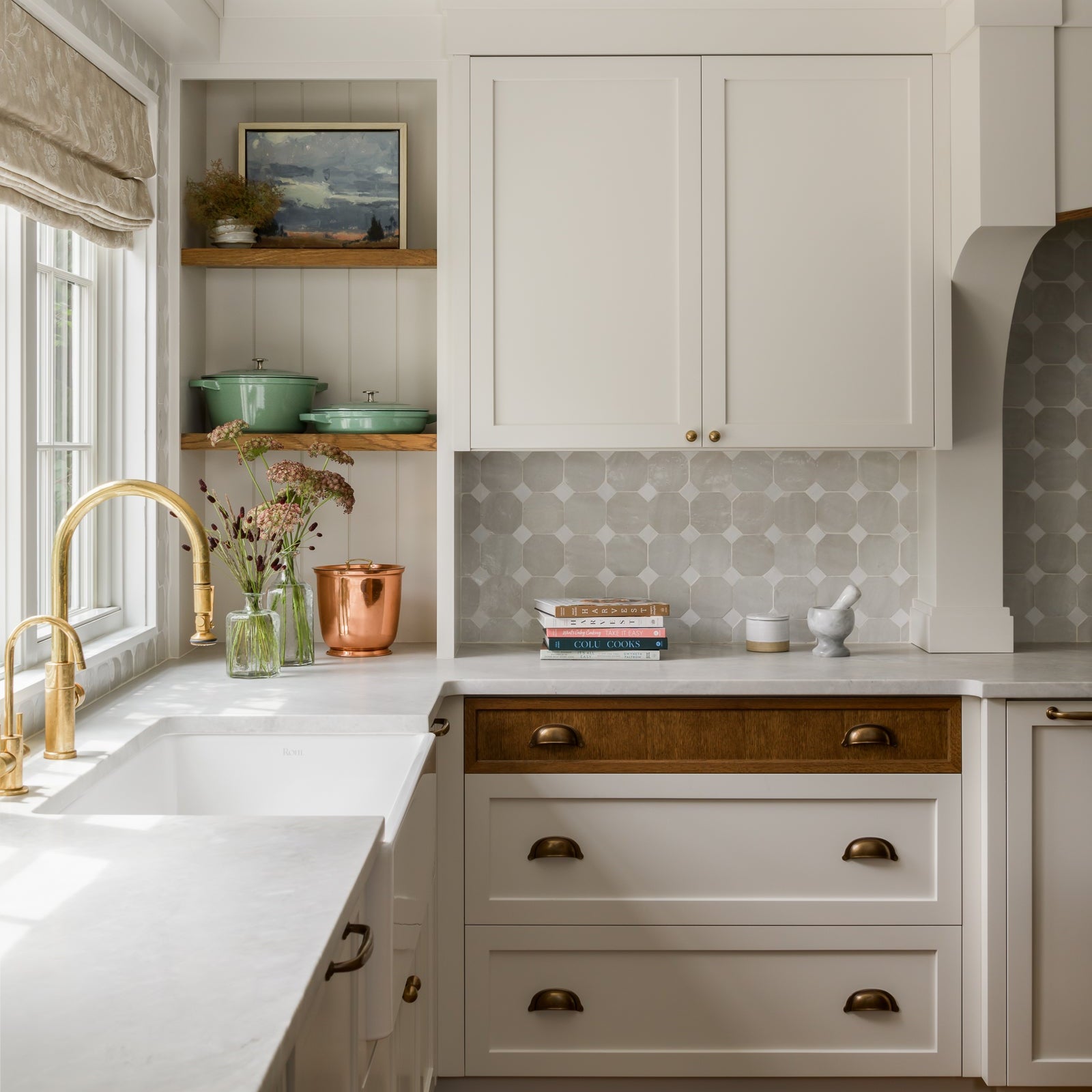
Cup Pulls (Depression or Finger Pulls)
Cup pulls are recessed into the wood, creating a scooped-out handle. Common in Shaker and traditional designs, they offer a built-in look with smooth operation.
- Made from metal (brass, zinc, steel)
- Installed with a single center screw
- Best for: Slab doors, Shaker cabinets, vintage styles
- Visual cue: Creates shadow lines that add depth
Bin Pulls (Wire or Basket Style)
Bin pulls resemble a thin wire bent into a U-shape. Often used on pantries or island cabinets, they bring industrial or farmhouse charm.
- Typically made of iron or steel with aged finishes
- Mounts on two ends like bar pulls
- Best for: Pantry doors, open shelving, rustic kitchens
- Warning: Sharp edges possible—avoid with small children
Cabinet Knob Types and Uses

Knobs are compact, single-mount fixtures ideal for doors and small drawers. They’re easier to grip for quick access and often less expensive than pulls.
Round Knobs (Classic and Versatile)
Round knobs are timeless. Available in ceramic, glass, metal, and wood, they work in almost any kitchen style.
- Sizes range from 1″ to 1.5″ in diameter
- Best for: Upper cabinets, small drawers, traditional layouts
- Pro tip: Use ceramic knobs for color pops in white kitchens
T-Knobs (Ergonomic Design)
T-shaped knobs feature a horizontal top bar, making them easier to grasp. Popular in modern and mid-century designs.
- Top bar sits 1–2″ above base
- Mounts with a single screw through the stem
- Best for: Deep drawers, modern cabinetry
- Bonus: Reduces wrist strain during frequent use
Edge Pulls (Integrated into Door)
Edge pulls are cut directly into the cabinet door’s side or top edge. They’re hidden, sleek, and perfect for handle-free designs.
- Requires precise routing during manufacturing
- No added hardware—just wood shaping
- Best for: Handleless kitchens, ultra-modern styles
- Limitation: Not ideal for deep drawers (hard to grip)
Hinge Types That Affect Hardware Style
Hinges determine how doors open and influence whether you need external hardware. Some eliminate the need for knobs or pulls altogether.
Concealed Hinges (European Style)
These mount inside the cabinet and are invisible when closed. Most are adjustable and come with integrated soft-close mechanisms.
- Uses a cup drill in the door and mounting plate on the frame
- Compatible with frameless (European-style) cabinets
- Allows for full overlay, partial overlay, or inset doors
- Common with modern handleless designs
Butt Hinges (Traditional Look)
Butt hinges have two leaves joined by a pin. Visible when the door opens, they suit classic, framed cabinets.
- Typically used with inset or flush-mounted doors
- Made from brass, steel, or antique metals
- Best for: Traditional, farmhouse, or heritage-style kitchens
- Tip: Pair with cup pulls or antique knobs for authenticity
Pivot Hinges (Top and Bottom Mount)
Pivot hinges attach to the top and bottom of the door, allowing it to swing open from the side. Used in high-end or custom cabinetry.
- Creates a floating door effect
- Requires precise floor and ceiling alignment
- Often used with glass-front or display cabinets
- Not common in standard installations
Specialty Hardware Options

Beyond knobs and pulls, specialty hardware adds unique function and design flair.
Touch Latch Systems (Handle-Free Design)
Press-to-open mechanisms release the door without visible hardware. Ideal for minimalist kitchens.
- Built into the cabinet frame or door edge
- Works with soft-close hinges
- Best for: Modern, handleless cabinetry
- Caution: May require higher force on large doors
Magnetic Catches
Hidden magnets keep doors securely closed. Often paired with edge or touch latches.
- Installed inside the cabinet and door
- No visible strike plate or knob
- Best for: Light-use cabinets, decorative doors
- Limitation: Not strong enough for heavy, full drawers
Appliance Pulls (Large-Scale Handles)
Extra-long pulls designed for refrigerators, ovens, and trash drawers. Made for durability and visual impact.
- Lengths from 12″ to 36″+
- Heavy-duty metal (stainless steel, brass)
- Mounts with multiple screws (4–6)
- Best for: Panel-ready appliances, island units
Materials Used in Cabinet Hardware

The material affects durability, cost, and style. Choose based on wear, moisture, and design goals.
Solid Brass (Premium Choice)
Brass is corrosion-resistant and long-lasting. Available in polished, satin, antique, and matte finishes.
- Heavier feel than zinc or aluminum
- Naturally antimicrobial
- Best for: High-end kitchens, coastal homes
- Tip: Look for “solid brass”—avoid brass-plated zinc
Stainless Steel (Durable and Modern)
Stainless steel resists rust, fingerprints, and dents. A top pick for modern and commercial-style kitchens.
- Brushed or polished finishes
- Low maintenance
- Best for: Busy households, contemporary spaces
- Note: Can show water spots in hard water areas
Zinc Alloy (Budget-Friendly)
Zinc is lightweight and affordable but less durable than brass or steel.
- Often plated with chrome, nickel, or copper
- Prone to chipping over time
- Best for: Rental properties, low-use cabinets
- Avoid in humid environments (bathrooms)
Ceramic and Glass (Decorative Focus)
These add color and artistic detail but are fragile.
- Hand-painted or glazed options
- Best for: Accent cabinets, traditional kitchens
- Mount securely—vibration can loosen over time
- Not recommended for kids’ reach zones
Popular Finishes for Cabinet Hardware

Finish impacts the mood and longevity of your hardware.
Brushed Nickel (Warm and Neutral)
Slightly golden tone with a soft sheen. Hides fingerprints well.
- Matches both warm and cool palettes
- Best for: Transitional, farmhouse, modern styles
- Compare: Softer than chrome, warmer than matte black
Matte Black (Bold and Modern)
Creates strong contrast, especially on white or light cabinets.
- Modern, industrial, or Scandinavian look
- Hides smudges but may show fine scratches
- Tip: Pair with black appliances for cohesion
Polished Chrome (Bright and Crisp)
Highly reflective with a cool tone. Classic for modern kitchens.
- Shows water spots and fingerprints
- Best for: Sleek, high-gloss cabinetry
- Avoid in high-touch areas unless regularly cleaned
Oil-Rubbed Bronze (Vintage Appeal)
Dark brown with bronze highlights. Ages naturally for a lived-in look.
- Common in traditional and Southwestern styles
- Hides wear well
- Warning: Lower-quality versions may flake
How to Choose the Right Hardware
Selecting hardware isn’t just about looks—it’s about function, durability, and coordination.
Match Style to Cabinet Design
- Shaker cabinets: Cup pulls or simple bar pulls
- Slab doors: Long bar pulls or touch latches
- Inset cabinets: Knobs or T-handles with butt hinges
- Handleless cabinets: Edge pulls or touch latches
Consider Ergonomics and Use
- Drawers with heavy items (pots, pans): Use pulls, not knobs
- Kids’ reach zones: Rounded knobs, no sharp edges
- Arthritic users: T-knobs or long pulls for easier grip
Coordinate with Other Fixtures
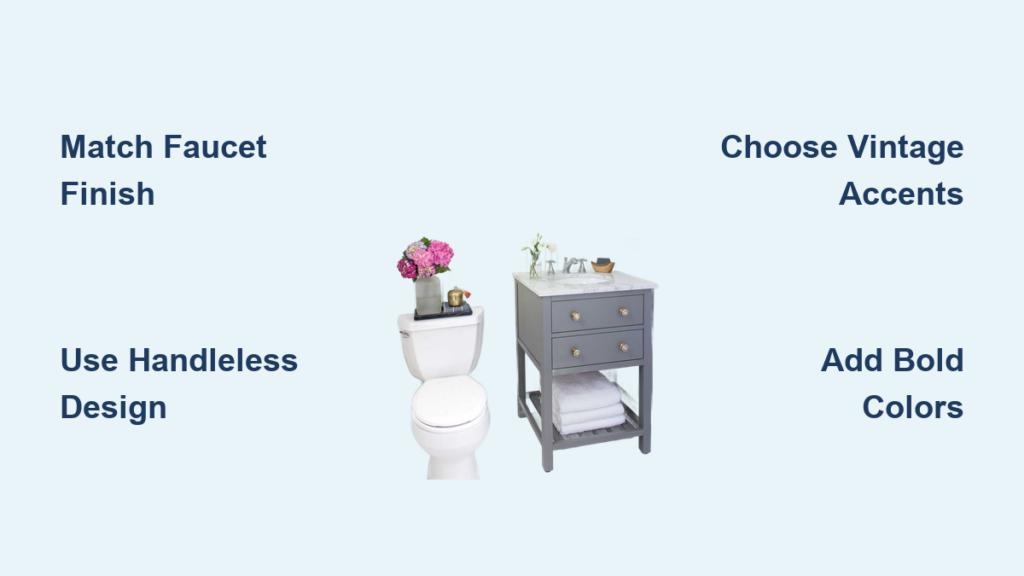
Match hardware finish to faucet, lighting, and appliance handles.
- Stainless steel faucet? Try matching stainless pulls
- Matte black lights? Use matte black knobs
- Mixing metals? Limit to two and space intentionally
Installation Tips and Best Practices
Proper installation ensures hardware lasts and looks aligned.
Standard Hole Spacing
- Knobs: 1 hole, typically 3″ from edge
- Pulls: 2 holes, common centers are 3″, 4″, 5″, or 8″
- Tip: Measure twice—drilling mistakes are hard to fix
Use a Template
Pre-cut jigs or printable templates ensure consistent placement across cabinets.
- Available for common pull sizes (3″, 4″, 8″)
- Saves time on large kitchens (20+ drawers)
- Pro tip: Label template for top/bottom drawer alignment
Drill the Right Bit Size
- 3/32″ for most screws
- Use a depth stop to avoid drilling through the front
Maintenance and Longevity
Good care keeps hardware looking new.
Clean With Mild Soap and Water
Avoid harsh chemicals that strip finishes.
- Use microfiber cloth
- Dry after cleaning to prevent water spots
- For tarnish: Use brass cleaner only on solid brass
Tighten Screws Periodically
Daily use loosens hardware over time.
- Check every 6–12 months
- Use correct screwdriver size to avoid stripping
Replace Worn or Damaged Pieces
Mismatched or broken hardware hurts resale value.
- Keep spare knobs/pulls from original purchase
- Order extras even if “in stock”—finishes change fast
Frequently Asked Questions About Cabinet Hardware
What is the most popular cabinet hardware style?
Bar pulls are the most popular choice for modern kitchens. Their clean lines work well with contemporary, minimalist, and transitional designs. They also provide better leverage than knobs on larger drawers.
How do I choose between knobs and pulls?
Use knobs for upper cabinets and smaller drawers. Use pulls for lower cabinets, deep drawers, and anywhere you need more grip strength. Pulls are easier to use for heavy items like pots and pans.
What is standard pull hole spacing?
Common center spacing for pulls is 3″, 4″, 5″, or 8″. Always measure the distance between screw centers before drilling. Using a template ensures consistency across all cabinets.
Can I mix metal finishes in the kitchen?
Yes, but limit yourself to two finishes. For example, pair brushed nickel knobs with a matte black faucet. Space them intentionally so the mix looks deliberate rather than accidental.
What finish hides fingerprints best?
Brushed nickel and matte black are the best options for hiding fingerprints. Polished chrome shows smudges quickly and requires regular cleaning. Oil-rubbed bronze also hides wear well.
How often should I tighten cabinet hardware screws?
Check screws every 6 to 12 months. Daily use loosens hardware over time. Use the correct screwdriver size to avoid stripping the screw head.
Key Takeaways for Choosing Cabinet Hardware
The types of cabinet hardware you choose define both the function and personality of your kitchen. From classic knobs to high-tech touch latches, each option serves a role. By understanding styles, materials, and installation needs, you can mix beauty and practicality for a space that works as well as it looks.
Start by assessing your cabinet style and daily usage patterns. Then match hardware materials and finishes to your existing fixtures. Finally, invest in quality pieces and proper installation to ensure longevity.
Whether you’re aiming for timeless elegance or cutting-edge minimalism, the right hardware ties it all together. Begin with a few samples in your space to see what feels right, then commit to a consistent look across all cabinets.