
Your Fabuwood cabinets are a significant investment in your home’s beauty and value. But daily cooking, sticky fingers, and airborne grease can quickly dull their pristine finish, leaving you wondering how to clean Fabuwood cabinets without causing damage. The good news is that with the right techniques and a few simple supplies, you can keep your cabinets looking showroom fresh for years. This comprehensive guide covers everything from daily wipe-downs to tackling stubborn stains, all while protecting the factory finish that makes these cabinets stand out.
You’ll discover the gentle cleaning solutions that work best, the common mistakes that can ruin your cabinet’s appearance, and the simple habits that prevent buildup before it starts. Whether you’re dealing with grease splatters near the stove or just want to establish a proper maintenance routine, these proven methods will help you care for your cabinets with confidence.
Daily Cleaning Routine
A few minutes of daily care prevents the need for harsh scrubbing later. This simple routine keeps dirt and grease from bonding to your cabinet’s finish.
Use a Soft Microfiber Cloth
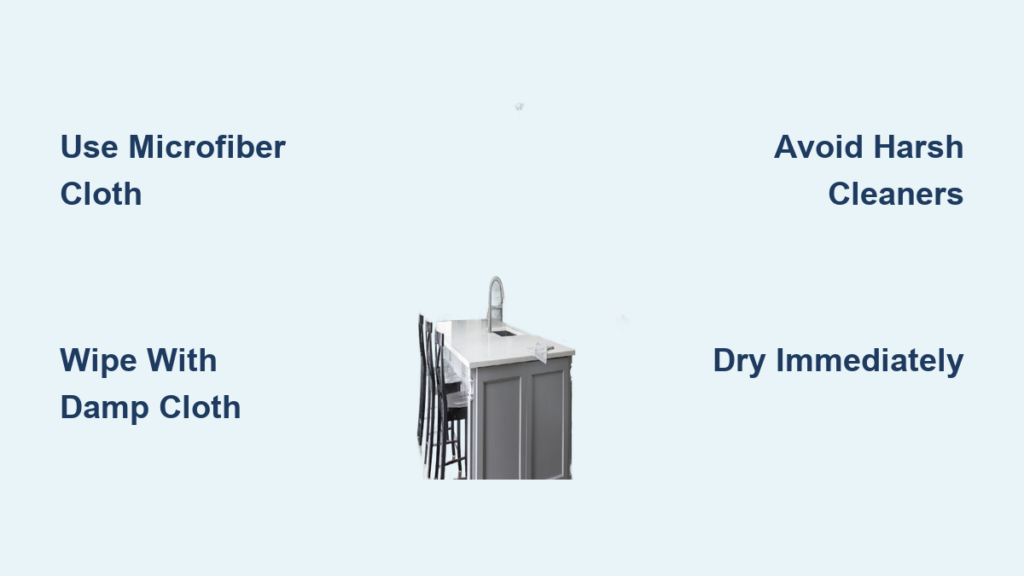
Start with a clean, lint-free microfiber cloth for all your cleaning tasks. Microfiber traps dust and light grime without scratching the surface. Skip paper towels or rough fabrics, as these can leave microscopic scratches that dull the finish over time.
Wipe With Damp Cloth Only
Lightly dampen your microfiber cloth with plain water for everyday cleaning. Wring it until it’s just moist, never soaking wet. Excess moisture can seep into seams and edges, causing the wood to swell or the finish to lift. Gently wipe door fronts and handles, following the direction of the wood grain for the best results.
Dry Immediately After Wiping
Always follow up with a dry microfiber cloth to remove any remaining moisture. Even clean water can leave spots or eventually damage the finish if left to air dry. Immediate drying gives you a streak-free shine and keeps the protective coating intact.
Deep Cleaning Steps

When grease and grime have built up beyond what water can handle, it’s time for a deeper clean. The key is using mild solutions and never soaking the wood.
Mix a Gentle Cleaning Solution
Combine a few drops of mild dish soap with warm water in a bowl. This simple solution cuts through kitchen grease without harming the finish. Avoid ammonia, bleach, or abrasive cleaners, as these strip the protective coating and can permanently discolor the wood.
Clean One Section at a Time
Dip your cloth into the soapy water and wring it thoroughly. Work on one cabinet door at a time so the solution doesn’t dry on the surface. Wipe gently along the grain. For textured or recessed areas, use a soft-bristle brush to reach crevices without scratching the material.
Rinse and Dry Thoroughly
After cleaning, go over the surface with a cloth dampened with clean water to remove any soap residue. Then dry immediately with a soft cloth. Leftover soap can actually attract more dirt, so this rinse step is essential for a truly clean finish.
Handle Tough Stains Carefully
:max_bytes(150000):strip_icc()/SPR-how-to-clean-wood-cabinets-7964253-03-f3fe8f0b0c4f4d4abe94e018e4e87768.jpg)
Some messes need extra attention, but you should always test any new method on a hidden area first to ensure it won’t damage the finish.
Remove Grease Buildup
For stubborn grease near the stove or range hood, mix equal parts white vinegar and water. Apply the solution to a cloth, never directly on the cabinet, then wipe the affected area. Vinegar cuts through grease effectively while remaining gentle on finished wood. Rinse with a clean damp cloth and dry immediately.
Treat Sticky Residue
For tape, label, or sticker residue, use a small amount of rubbing alcohol on a cotton swab. Gently dab the area rather than rubbing aggressively. Follow up with a damp cloth and dry thoroughly to remove any alcohol residue.
Avoid Scrubbing With Abrasives
Never use steel wool, scouring pads, or powdered cleansers on your cabinets. These abrasive tools scratch the finish and expose the raw wood beneath, making future damage more likely. Stick to soft cloths and non-abrasive cleaning tools only.
Hardware and Hinges Maintenance
Handles, knobs, and hinges collect dirt and oils from daily use. Regular cleaning keeps them looking great and functioning properly.
Remove Hardware for Deep Cleaning
Take off knobs and pulls when possible for a thorough cleaning. Soak them in warm, soapy water, then dry with a soft cloth. This prevents moisture from pooling around screw holes and damaging the cabinet door material.
Clean Around Mounting Areas
Use a cotton swab or soft brush to clean dust and grime around screw heads and mounting plates. These spots are easy to overlook but tend to accumulate buildup that can transfer to your hands.
Check for Loose Fittings
While cleaning, inspect each piece of hardware for looseness. Tighten screws gently with a screwdriver, being careful not to overtighten. Over-tightening can strip the holes or even crack the cabinet door.
Avoid Common Cleaning Mistakes
Even well-intentioned cleaning habits can harm your Fabuwood cabinets. Here’s what to avoid.
Never Spray Cleaners Directly
Always apply cleaning products to your cloth first, never directly onto the cabinet surface. Spraying liquids directly increases the risk of moisture seeping into seams, joints, or edges where it can cause swelling or finish damage.
Skip Ammonia-Based Products
Glass cleaners and many all-purpose sprays contain ammonia, which can cloud or dull cabinet finishes over time. Use only pH-neutral cleaners specifically designed for wood surfaces to keep your cabinets safe.
Prevent Sunlight and Heat Damage
Direct sunlight and heat sources like ovens or radiators can fade or warp your cabinets over time. Use blinds or curtains to reduce UV exposure, and keep cabinets away from high-heat zones whenever possible.
Protect Cabinet Finishes Long-Term
A little preventive care goes a long way in preserving your cabinet’s factory finish.
Apply a Wood-Safe Polish Occasionally
Every few months, use a furniture polish made specifically for hardwood cabinets. Spray onto a microfiber cloth and buff lightly over the surface. This enhances shine and adds a protective layer, but avoid overapplying, as buildup can attract dust.
Use Cabinet Liners in Drawers
Line drawers with non-adhesive, breathable liners to protect the bottom surface from scratches and spills. Replace them periodically to prevent trapped moisture from damaging the wood underneath.
Control Kitchen Humidity
Excess moisture in the air can cause wood to swell and warp. Keep kitchen humidity between 40 and 50 percent using exhaust fans while cooking or a dehumidifier in humid climates. This simple step protects all your wooden cabinetry.
Address Water and Spill Damage
Accidents happen in every kitchen. Quick action can prevent permanent damage.
Blot Spills Immediately
If water, coffee, or other liquids spill near cabinet edges or seams, blot with a dry cloth right away. Don’t let liquids sit on the surface, especially on unfinished edges where moisture can penetrate quickly.
Monitor for Swelling or Warping
If a cabinet door starts to swell or doesn’t close properly, moisture may have penetrated the wood. Dry the area thoroughly and monitor it closely. Persistent warping may require professional repair to prevent further damage.
Repair Minor Finish Chips
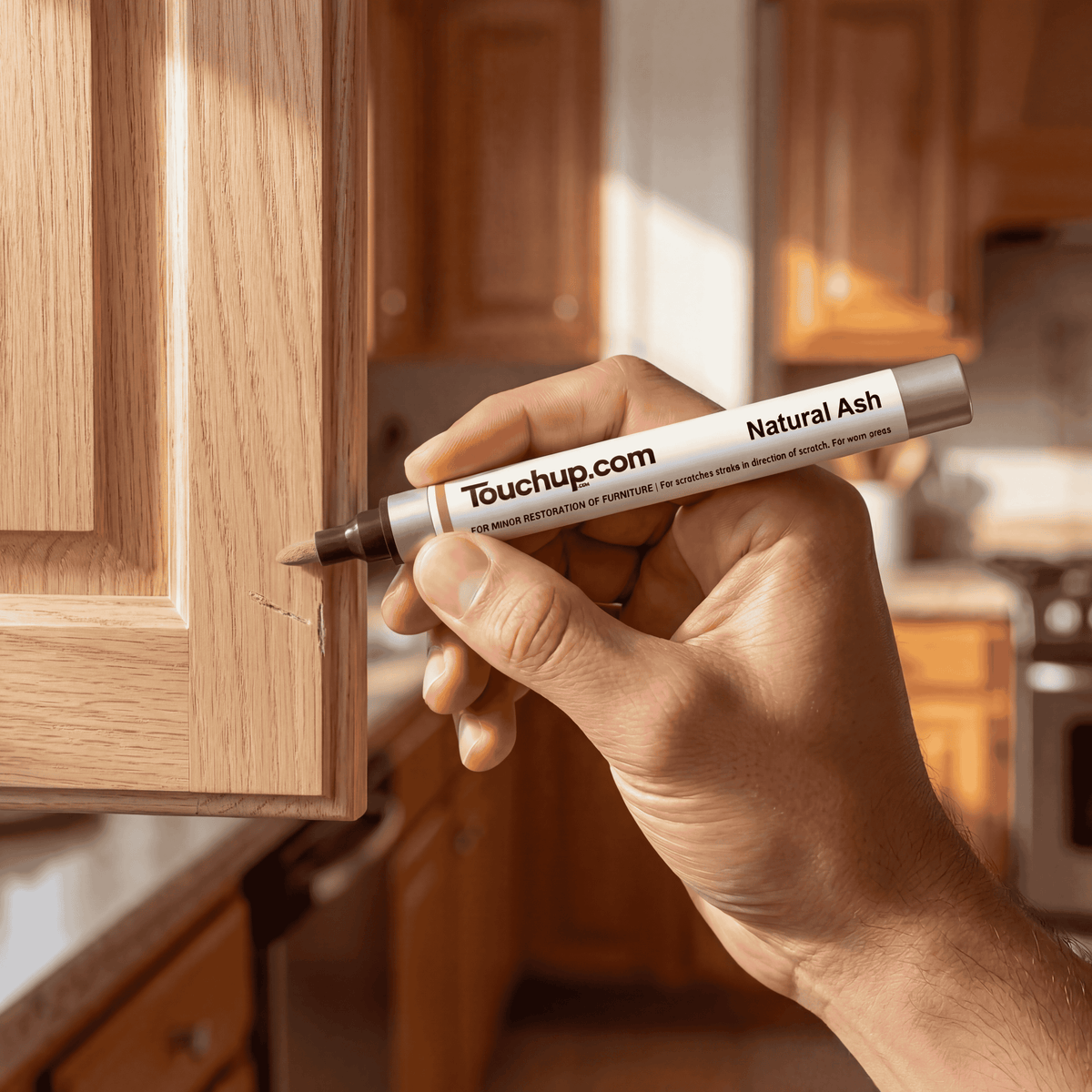
For small chips in the finish, use a touch-up marker or wax stick matched to your cabinet color. Apply sparingly and wipe away any excess with a soft cloth. This quick fix prevents moisture from reaching the raw wood.
When to Call a Professional
Most cleaning tasks can be handled at home, but certain issues require expert attention.
Finish Damage Beyond Touch-Ups
If the finish is peeling, cracked, or deeply scratched, avoid DIY repairs that could make things worse. Contact Fabuwood or a certified cabinet refinisher to restore the surface properly.
Persistent Odors or Mold
If your cabinets develop musty smells or visible mold, especially inside, professional cleaning or inspection may be needed. Mold can indicate hidden moisture issues behind walls or under sinks that require specialized treatment.
Structural Problems
Sagging doors, broken hinges, or loose frames aren’t cleaning issues at all. These require repair or adjustment by a qualified technician to ensure your cabinets remain functional and safe.
Frequently Asked Questions About Cleaning Fabuwood Cabinets
Can I use vinegar to clean Fabuwood cabinets?
Yes, a 50/50 mix of white vinegar and water works well for cutting grease. Apply it to a cloth first, wipe the affected area, then rinse with a clean damp cloth and dry immediately. Avoid using vinegar daily, as its acidity can eventually wear down the finish.
What should I never use on Fabuwood cabinets?
Never use ammonia-based glass cleaners, bleach, steel wool, scouring pads, or powdered abrasive cleansers. These products strip the protective finish and can permanently scratch or discolor the wood surface.
How often should I deep clean my cabinets?
A daily quick wipe with a damp microfiber cloth keeps light dust and fingerprints at bay. Plan a deeper cleaning with mild soap and water every 4 to 6 weeks, or more frequently if you cook often and deal with heavy grease buildup.
Can I use Magic Eraser on Fabuwood cabinets?
No, Magic Erasers are abrasive and can remove the protective finish from your cabinets. Even though they seem gentle, they act like fine sandpaper and will dull the surface over time. Stick to soft cloths and mild cleaners instead.
How do I remove sticky residue without damaging the finish?
Use a cotton swab dipped in rubbing alcohol to gently dab the sticky area. Don’t rub hard. Wipe the area with a damp cloth afterward and dry thoroughly. Always test on a hidden spot first to ensure the alcohol doesn’t affect your finish.
Is it safe to spray cleaner directly on cabinet doors?
No, you should never spray cleaning products directly onto cabinet surfaces. Always spray onto your cleaning cloth first. This prevents excess liquid from running into seams, edges, or hardware openings where it can cause swelling or finish damage.
Key Takeaways for Maintaining Your Fabuwood Cabinets
Regular, gentle cleaning is the most effective way to keep your Fabuwood cabinets looking their best. Use only soft microfiber cloths, mild soap and water for everyday messes, and vinegar solutions for stubborn grease. Always dry surfaces immediately after cleaning to prevent moisture damage.
Avoid harsh chemicals and abrasive tools at all costs. Ammonia, bleach, steel wool, and scouring pads will compromise the protective finish and lead to costly repairs. Instead, establish a simple routine: quick daily wipes, monthly deep cleaning, and prompt attention to any spills or sticky spots.
Your cabinets will reward this careful treatment with years of beauty and reliable function. Start with a gentle cleaning session this week using the methods outlined here, then commit to a regular maintenance schedule. Your kitchen will look fresher, and your cabinets will stay protected for the long haul.


