

If you’re struggling to fit even the basics in your kitchen cabinets, you’re not alone. In small kitchens, every inch counts, and wasted cabinet space can make cooking, storing, and cleaning a daily frustration. The good news? With smart organization and a few strategic upgrades, you can maximize cabinet space in small kitchens without tearing down walls or renovating. This guide reveals proven methods to double your storage, streamline access, and turn cluttered cabinets into efficient, user-friendly zones.
You’ll learn how to reconfigure shelves, use vertical space, choose the right organizers, and rethink what belongs in your cabinets at all. Whether you rent or own, these solutions are budget-friendly, easy to install, and designed for real-life use. From pull-out drawers to door-mounted racks, we’ll walk you through actionable steps that deliver immediate results, no guesswork required.
Reorganize Cabinet Contents Strategically
Before adding new tools or making changes, assess what’s already inside your cabinets. Often, clutter builds up from disorganized or outdated storage habits.
Sort Items by Frequency of Use
Group kitchenware into three categories:
• Daily use (plates, mugs, cooking oil, spices)
• Occasional use (baking sheets, serving bowls, specialty tools)
• Rarely used (holiday dishes, guest appliances)
Keep daily items at eye level and within easy reach. Store occasional and rare-use items higher up, lower down, or in less accessible cabinets.
Remove and Declutter First
Take everything out. Wipe down shelves while empty. Ask yourself:
• Have I used this in the past 6 months?
• Does it serve a clear purpose?
• Is it damaged or outdated?
Donate duplicates, broken items, or single-use gadgets. Less clutter means more usable space.
Zone Your Cabinet Function
Assign specific cabinets to specific uses:
• Upper near stove: Cooking oils, spices, lids
• Upper near sink: Mugs, glasses, tea bags
• Lower near stove: Pots, pans, utensils
• Lower near sink: Cleaning supplies, dishwasher pods
Zoning reduces search time and keeps related items together.
Adjust or Add Shelves Wisely

Fixed shelves often waste vertical space. Customizing shelf height can dramatically increase capacity.
Customize Shelf Height for Your Needs
Measure your tallest items like blenders, food processors, or stockpots. Leave just enough clearance, usually 1 to 2 inches above. Use the leftover vertical space to add another shelf for smaller items like spice jars or nesting bowls.
Pro tip: Install adjustable shelf pins so you can reconfigure later as needs change.
Add Under-Shelf Baskets or Riser Trays
These inexpensive wire or acrylic trays fit under existing shelves, creating a second level. Perfect for:
• Cereal boxes and snacks
• Canned goods
• Small appliances with flat tops
They turn dead air into functional storage without tools or modifications.
Use Stackable Shelf Organizers
For cabinets with deep vertical space, stackable risers let you access items in the back. Pull forward the front row to reach what’s behind. Ideal for:
• Canned vegetables
• Condiments
• Small jars
Look for non-slip bases to prevent sliding.
Install Pull-Out and Slide Systems
Traditional cabinets hide items in the back. Pull-out systems bring everything forward.
Upgrade to Pull-Out Drawers
Replace deep, hard-to-reach cabinets with:
• Full-extension drawer glides (hold up to 75 lbs)
• Wire pull-out baskets (for pots, lids, or pantry items)
• Slide-out trash or recycling bins
Even renters can install retrofit pull-out trays that fit inside existing cabinets.
Add Sliding Pantry Solutions
For narrow cabinets or tight spaces, use:
• Spice pull-outs (vertical carousels)
• Narrow glide trays (for baking sheets or cutting boards)
• Tiered slide shelves (like a lazy Susan on rails)
These maximize depth and eliminate blind spots.
Convert to Tilt-Out or Swing Trays
For under-sink cabinets, tilt-out trays hold sponges, cloths, or small bottles. They swing down when opened, keeping everything visible and contained.
Optimize Cabinet Doors and Interiors
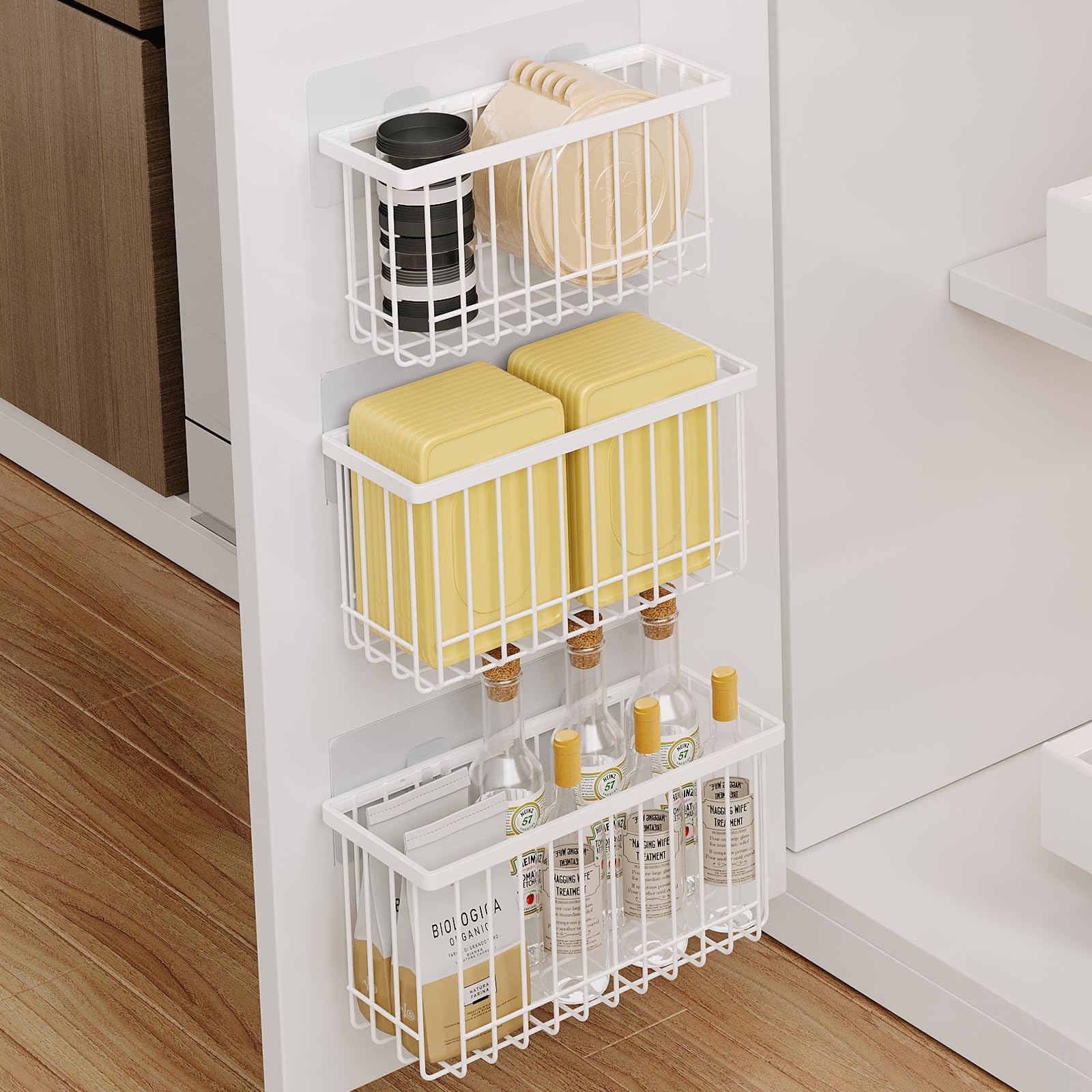
Don’t ignore the inside of cabinet doors. They’re prime real estate.
Mount Racks on Interior Doors
Adhesive or screw-in racks add storage without taking shelf space. Use for:
• Lids (via tension rods or clips)
• Cleaning wipes, foil, plastic wrap
• Small spice jars or scrubbers
Warning: Avoid heavy items unless securely screwed in.
Use Door-Mounted Organizers
• Over-the-door baskets (for snacks or tea bags)
• Clear pocket organizers (for oven mitts, measuring spoons)
• Magnetic strips (for knives or metal spice tins)
Ensure clearance when opening and closing doors.
Hang Items from the Ceiling or Wall
If cabinet space is maxed out, go outside:
• Pegboards on empty walls (hold utensils, pots, baskets)
• Magnetic knife bars (free up drawer space)
• Hanging pot racks (store pots overhead)
This reduces cabinet load and adds visual interest.
Use Vertical and Stackable Storage

Make the most of height and nesting potential.
Stack Pots, Pans, and Lids Efficiently
Store pots and pans with lids nested inside. Use:
• Rubber shelf liners to prevent sliding
• Lid organizers (vertical file racks or clips)
• Stackable rings (keep lids upright and separated)
Place heaviest items in lower cabinets for safety.
Use Cabinet Shelf Risers for Easy Access
Like risers in retail stores, these create front-and-back layers. Pull forward the front row to access the back. Great for:
• Bowls and plates
• Cereal and pasta boxes
• Snack containers
Choose models with handles for easier pulling.
Install Hanging Baskets or Hooks Inside
Wire baskets with hooks hang from shelf edges. Use them to store:
• Onions, garlic, or fruit
• Lightweight kitchen tools
• Frequently used mitts or towels
Keeps items visible and off shelves.
Choose the Right Cabinet Organizers

Not all organizers are equal. Pick ones that match your cabinet size and contents.
Select Slim Tiered Organizers
For narrow cabinets, choose organizers that fit snugly. Tiered designs let you see everything at a glance. Best for:
• Spices
• Sauces
• Tea and coffee pods
Look for models with pull-out trays or turntables.
Use Expandable or Adjustable Bins
These fit different cabinet widths. Use them to:
• Group snacks or baking supplies
• Separate plastic containers from lids
• Create zones within large cabinets
Easily reconfigure as needs change.
Invest in Turntables (Lazy Susans)
Place in corner or deep cabinets. Rotate to bring items forward. Use for:
• Oils and vinegars
• Sauces and condiments
• Small appliances
Choose non-slip models with low edges for easy access.
Repurpose Unused Cabinet Areas
Odd corners and awkward spaces can be transformed.
Convert Corner Cabinets with Lazy Susans
Blind corner cabinets waste space. Install:
• Large rotating trays (for pots, pans, or pantry items)
• Dual-tier turntables (double storage capacity)
• Pull-out corner systems (glide shelves that swing out)
Even DIY versions using a lazy Susan base work well.
Use Toe-Kick Space for Drawers
The toe-kick area at the bottom front of lower cabinets can house:
• Sliding shoebox-style drawers
• Spice trays
• Cutlery or napkins
Ideal for items used often but not bulky.
Install In-Cabinet Lighting
LED strip lights or battery-powered puck lights make dark cabinets usable. See contents clearly without pulling everything out.
• Motion-sensor lights turn on when opened
• Battery-powered options require no wiring
Improves safety and efficiency.
Maintain Cabinet Organization Long-Term
Even the best system fails without maintenance.
Schedule Monthly Cabinet Checkups
Set a reminder to:
• Wipe shelves
• Re-sort items
• Remove expired food or unused tools
• Reassess layout
Prevents clutter from creeping back.
Label Bins and Zones
Use chalk labels, stickers, or printed tags. Helps everyone in the household:
• Return items to the right place
• Identify contents quickly
• Avoid duplicates
Especially useful for pantry-style cabinets.
Rotate Seasonal Items Smartly
Store holiday dishes, summer cookware, or winter appliances in bins. Rotate twice a year. Keep in high or deep cabinets when not in use.
Frequently Asked Questions About Maximizing Cabinet Space in Small Kitchens
What is the best way to maximize cabinet space in a small kitchen?
The best approach combines decluttering, adjusting shelf heights, and adding organizers like pull-out trays, risers, and door-mounted racks. Start by removing unused items, then group everything by frequency of use. Install adjustable shelves to eliminate wasted vertical space and use stackable bins or turntables for deep cabinets.
How can I add more shelves to existing cabinets without replacing them?
You can install adjustable shelf pins to reposition existing shelves or add wire shelf risers that sit on top of current shelves. Under-shelf baskets and stackable organizers also create extra layers without any permanent modifications.
Are pull-out drawers worth it for small kitchens?
Yes. Pull-out drawers and slide systems bring items from the back of deep cabinets to the front, making everything visible and accessible. They reduce the need to dig through stacked items and can increase usable storage by up to 30 percent in hard-to-reach spaces.
What should I store in upper versus lower cabinets?
Store daily-use items like plates, mugs, and spices at eye level in upper cabinets. Reserve lower cabinets for heavier items like pots, pans, and small appliances. Cleaning supplies belong under the sink, while rarely used items go to the highest or most inaccessible spots.
How do I organize a corner cabinet that feels wasted?
Install a lazy Susan turntable or a pull-out corner system to make the full depth of the cabinet accessible. Dual-tier turntables double storage capacity. Even a simple DIY rotating tray can transform a blind corner into usable space.
What are the best organizers for narrow cabinets?
Slim tiered organizers, expandable bins, and narrow glide trays work best for tight spaces. These fit snugly without wasting width and let you see every item at a glance. Spice pull-outs and vertical file racks for lids are also excellent choices.
Key Takeaways for Maximizing Cabinet Space in Small Kitchens
Maximizing cabinet space in small kitchens isn’t about having the fanciest tools. It’s about using what you have more intentionally. From adjusting shelf heights to installing pull-out trays and labeling bins, each step adds up to a more functional, stress-free kitchen.
Start with one cabinet. Apply these strategies, and watch your storage grow. With smart organization, even the tiniest kitchen can feel spacious and efficient. Take the first step today by decluttering one shelf, then move to the next. Your future self will thank you every time you open a cabinet door.


