
You’ve just installed a beautiful new cabinet in your kitchen or bathroom, only to find that every time you open the door, it slams into the wall. Not only is this annoying, but over time, it can damage both the door and the wall—chipping paint, scuffing surfaces, or even loosening hinges. The good news? There are several reliable ways to stop a cabinet door from hitting the wall, whether you’re dealing with a corner cabinet, tight space, or a door that swings too far.
This guide covers practical, proven solutions to prevent cabinet doors from hitting walls. You’ll learn how to adjust hinges, install door stops, choose alternative door styles, and more—all with step-by-step instructions and expert tips. Whether you’re a DIY beginner or a seasoned homeowner, these fixes will protect your walls, extend the life of your cabinets, and improve functionality.
Adjust Cabinet Hinge Position
Most modern cabinets use adjustable hinges that allow fine-tuning of the door’s position. By shifting the door slightly, you can prevent it from swinging into the wall.
Reposition Euro-Style Hinges
Euro-style hinges (common in frameless cabinets) have three adjustment points:
– Side-to-side (in/out): Turn the horizontal screw to shift the door toward or away from the wall.
– Up/down: Use the vertical screw to align the door with the cabinet frame.
– Depth (swing): Adjust the deep-set screw to pull the door forward or back in the cabinet opening.
Pro tip: Loosen screws slightly and make small adjustments—1/8 turn at a time—then test the door swing before closing fully.
Limit Door Opening Angle
Some hinges are designed to restrict swing. If your cabinet door opens beyond 90 degrees, consider replacing standard hinges with 95° or 105° soft-close hinges that control travel and prevent wall contact.
- Check manufacturer specs to confirm maximum opening angle.
- Install with depth adjustment pulled in slightly to reduce protrusion.
- Ideal for tight spaces where full swing isn’t necessary.
Install Cabinet Door Stops
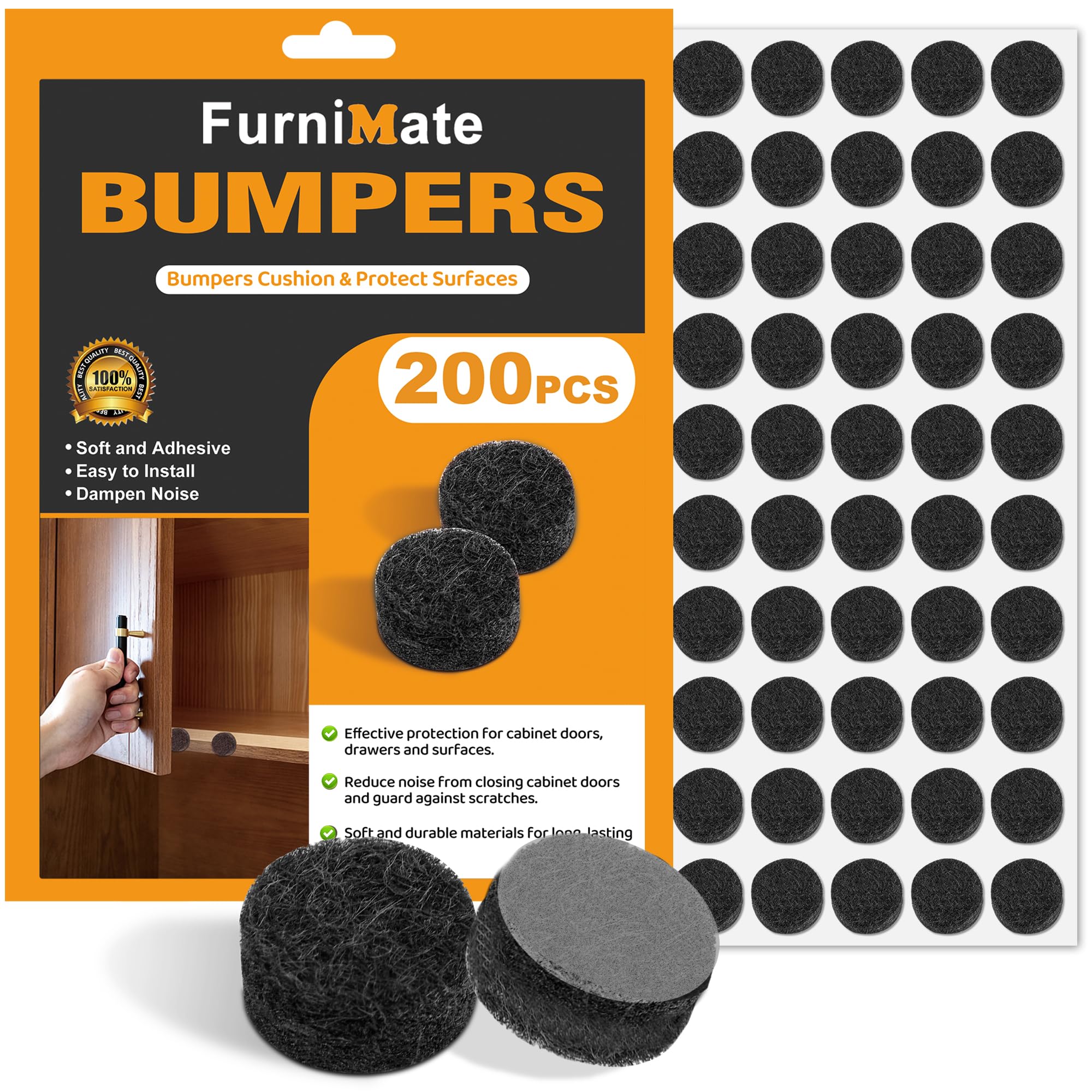
Door stops physically block the door from swinging too far. They’re inexpensive, easy to install, and highly effective.
Use Adhesive Felt Bumpers
For a quick, no-drill fix:
1. Open the cabinet door until it lightly touches the wall.
2. Mark the contact point on both the door edge and wall.
3. Apply self-adhesive felt bumpers (1/2″ or 3/4″ diameter) to both surfaces.
Benefits:
– Prevents scratches and noise
– Works on painted drywall and wood doors
– Removable and repositionable
Limitation: Best for light-duty use; may detach over time in high-humidity areas.
Mount Rubber Door Stops
Screw-in rubber stops provide more durability:
1. Choose a cup-style rubber stop or L-shaped bracket stop.
2. Position on the wall where the door makes contact.
3. Drill pilot hole and secure with included screw.
4. Test swing and adjust if needed.
Tip: Use a wall anchor if mounting into drywall without a stud.
Choose Space-Saving Door Styles

Sometimes the best solution is changing how the door moves. Swinging doors aren’t always ideal in tight layouts.
Switch to Sliding Doors
Replace hinged doors with bypass or sliding cabinet doors:
– Doors glide horizontally on tracks instead of swinging out.
– Eliminates wall contact entirely.
– Great for narrow hallways, closets, or bathroom vanities.
Installation note: Requires a track system mounted to the cabinet frame or overhead rail. May need professional help for retrofitting.
Install Bi-Fold Doors
Bi-fold doors fold inward as they open, reducing swing radius:
– Two-panel doors connected by hinges that collapse as opened.
– Ideal for wide openings where full swing would obstruct space.
– Use center guide pin to keep bottom aligned and prevent wall contact.
Best for: Pantry cabinets, linen closets, or entertainment centers near walls.
Modify Door Handle Position

The location of your knob or pull can influence how far you open the door. Strategic placement helps avoid wall impact.
Relocate Knobs to Limit Swing
Move the handle closer to the hinge side:
– When you naturally grasp the knob, your hand will stop the door before it hits the wall.
– Test by opening the door—your arm should block full extension.
Guideline: Install the knob within 2–3 inches of the door’s edge on the hinge side.
Use Shorter Pulls or Recessed Handles
Long horizontal pulls encourage wide swings. Replace them with:
– Short pulls (2–3″)
– Cup pulls
– Recessed finger pulls (cut into the door edge)
These designs reduce leverage and promote partial opening.
Extend Cabinet Frame or Wall
In some cases, moving the cabinet slightly away from the wall solves the issue.
Add Shims Behind Cabinet
If the cabinet isn’t flush with adjacent units or wall:
1. Remove the door.
2. Insert wooden or plastic shims between cabinet back and wall.
3. Reattach and rehang door.
4. Test new swing clearance.
Note: Only works if there’s enough screw length to re-secure the cabinet.
Build Out the Wall Surface
For permanent installations:
– Attach a 1/4″ plywood or MDF strip to the wall at the impact point.
– This shifts the wall surface forward, giving the door space to open.
– Paint or finish to match surroundings.
Ideal for: Rental properties where cabinet relocation isn’t allowed.
Replace with Inset or Flush Doors
Standard overlay doors extend past the cabinet frame, increasing swing radius. Consider switching to:
Inset Doors
- Fit inside the cabinet frame like a picture door.
- Open with minimal protrusion.
- Require precise installation but offer clean look and better clearance.
Full-Overlay with Restricted Hinges
- Covers entire front but use concealed hinges with swing limits.
- Pair with soft-close mechanisms to reduce momentum.
Prevent Damage with Wall Protection

If you can’t stop the door from touching, at least protect the wall.
Install Wall Guards
Use discreet protectors:
– Clear acrylic corner guards
– Metal edge protectors
– Decorative trim or molding
Mount at impact height to absorb contact and hide scuffs.
Apply Removable Wall Shields
For painted walls:
– Use peel-and-stick PVC wall tiles or felt wall pads.
– Easily replaced if damaged.
– Available in colors to blend with décor.
Optimize Room Layout and Usage
Sometimes the fix isn’t on the door—it’s in how the space is used.
Rearrange Nearby Furniture
Move chairs, tables, or rugs that force full door opening. Encourage partial access to reduce swing.
Use Magnetic Door Catches
Install a magnetic catch on the wall side:
– Holds the door open at a safe angle.
– Prevents accidental over-swing when walking by.
– Choose low-profile models to avoid tripping hazards.
When to Consult a Professional
Some solutions require carpentry or cabinetry skills:
– Replacing door types (sliding, bi-fold)
– Modifying cabinet structure
– Installing built-in stops in finished walls
If you’re uncomfortable with drilling, measuring, or adjusting hardware, hire a handyman or cabinet installer.
Frequently Asked Questions About Preventing Cabinet Door Wall Damage
What is the quickest way to stop a cabinet door from hitting the wall?
The fastest fix is applying self-adhesive felt bumpers to both the door edge and the wall contact point. This takes under five minutes, requires no tools, and immediately prevents scratching and noise.
Can I adjust my existing hinges to stop the door from hitting the wall?
Yes, most modern hinges have adjustment screws. Loosen the depth screw slightly to pull the door back into the cabinet frame, which reduces how far it swings. Test after each small adjustment.
Will soft-close hinges prevent the door from hitting the wall?
Soft-close hinges slow the door near closing but don’t limit opening angle. For wall protection, choose restricted-opening hinges (95° or 105°) that physically stop the door from swinging too far.
How do I know if I need a door stop or a hinge adjustment?
If the door barely touches the wall, try hinge adjustments first. If the door swings forcefully and hits hard, install a rubber door stop or magnetic catch to physically limit travel.
Are sliding doors a good option for preventing wall damage?
Yes, sliding doors eliminate swing entirely since they glide horizontally. They’re ideal for narrow spaces but require track installation and may reduce access to the full cabinet opening.
Can I prevent wall damage without changing the door or hinges?
Absolutely. Install wall guards, clear acrylic corner protectors, or felt wall pads at the impact point. These absorb contact and hide scuffs without altering the cabinet.
Key Takeaways for Stopping Cabinet Door Wall Impact
Preventing a cabinet door from hitting the wall comes down to three main strategies: adjusting hardware, adding physical stops, or changing the door style. Start with the simplest fixes like hinge adjustments or adhesive bumpers. If those don’t solve the problem, consider more permanent solutions like restricted hinges, sliding doors, or wall guards.
The right approach depends on your specific cabinet type, wall proximity, and how often you use the door. For quick relief, use felt bumpers. For long-term durability, install screw-in rubber stops or upgrade to restricted-opening hinges. If you’re unsure about structural changes, consult a professional installer to avoid costly mistakes.
Take action today by inspecting your cabinet doors and identifying which solution fits your space. A few minutes of adjustment now can save you from repainting walls and replacing damaged doors later.


