Does your kitchen cabinet explode with plastic every time you open the door? You likely struggle to find matching lids or spot clean containers amidst the chaos. This guide reveals exactly how to organize Tupperware in cabinet spaces using proven decluttering and storage methods.
Stop wasting time digging through mismatched piles today. You will learn to audit your collection, install clear bins, separate lids effectively, and maintain a streamlined system that lasts.
Audit and Declutter Your Plastic Collection
You cannot organize clutter effectively without first removing unnecessary items. A rigorous assessment creates the functional baseline needed for any storage system to work.
Apply the Two-Year Rule
Pull every container and lid out of the cabinet to inspect them individually. Discard any item you have not used in the last two years. This simple metric helps you identify dead weight that occupies valuable space.
Identify Damaged or Stained Items
Check each piece for cracks, warping, or permanent food stains. Damaged plastic can harbor bacteria and leak during storage. Remove these immediately to ensure food safety and hygiene.
Enforce the One-In-One-Out Policy
Prevent future buildup by adopting a strict maintenance rule. When you acquire a new storage container, you must donate or discard an old one. This keeps your total inventory stable and manageable.
Install Clear Stackable Storage Bins

Grouping similar items together maximizes vertical real estate and improves visibility. Clear bins allow you to see contents instantly without opening every stack.
Sort Containers by Size or Function
Choose a single sorting logic and apply it consistently across your collection. You might group by size such as small, medium, and large. Alternatively, sort by function like snacks, leftovers, or freezer meals.
Label Every Bin for Quick Identification
Use a label maker or whiteboard tags to mark the contents of each bin clearly. Examples include “Salad Containers,” “Snack Packs,” or “Freezer Meals.” Labels eliminate guesswork and speed up retrieval significantly.
Select the Right Bin Dimensions
IKEA SKUBB or BILLY series bins work exceptionally well for standard kitchen cabinets. These affordable options stack securely and come in various sizes to fit your specific shelf depth.
Separate Lids From Containers Strategically
Lid chaos is the number one complaint regarding plastic storage. Solving this requires dedicated systems that keep lids visible and accessible.
Use Dedicated Lid Organizers
Insert specialized trays like the IKEA TROTTEN inside your cabinets or drawers. These holders keep lids standing upright so you can see every option at a glance.
Try the Nesting Technique for Sets
Store lids inside their matching containers when space allows. This method keeps sets together permanently and saves significant room in deep cabinets.
Mount Magnetic Strips for Metal Lids
If your lids contain metal rims, install a magnetic knife strip inside the cabinet door. Attach the lids vertically to free up shelf space and improve air circulation.
Utilize Door-Mounted Baskets
Install over-the-door racks on the interior of your cabinet doors. Use one basket specifically for lids and another for small containers to turn wasted door space into prime storage.
Maximize Vertical Cabinet Space
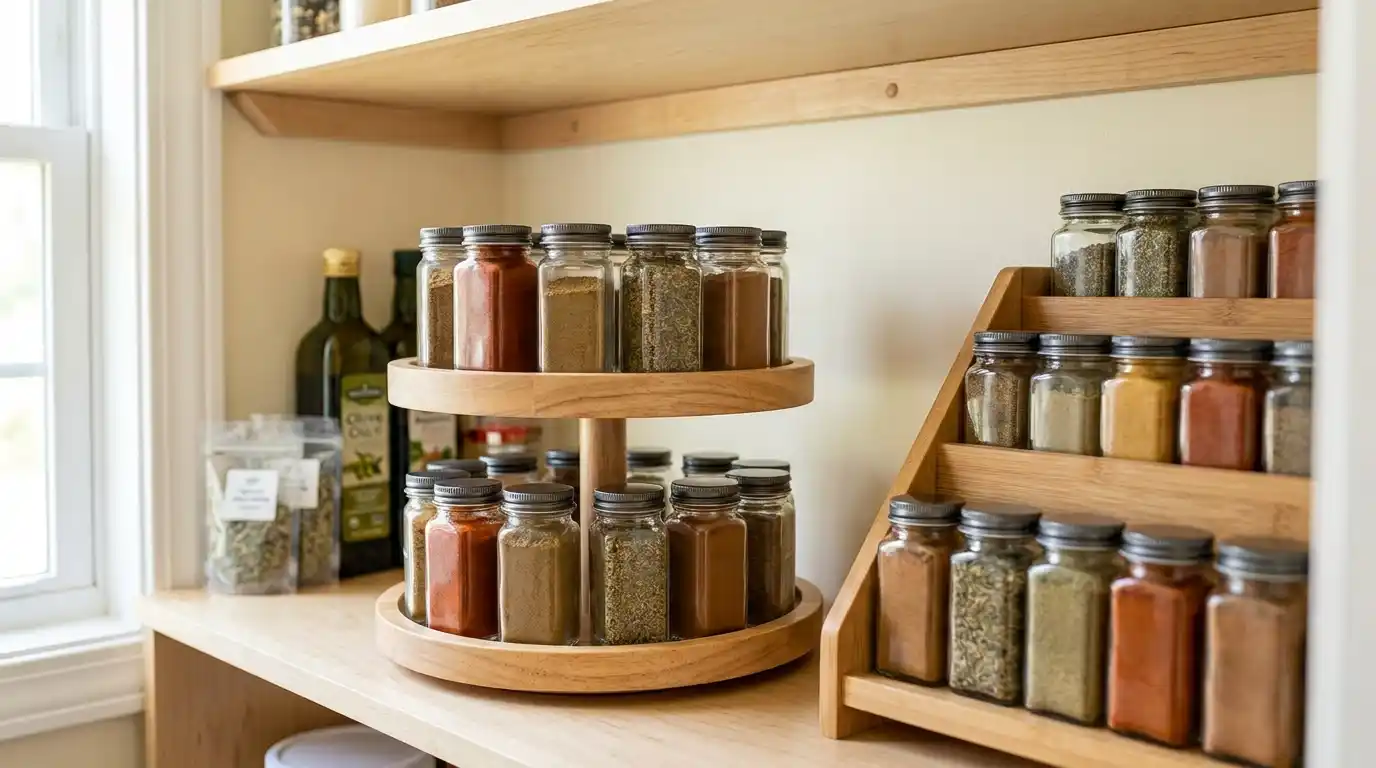
Flat stacking wastes depth and hides items at the bottom of the pile. Vertical storage solutions ensure every piece remains visible and accessible.
Install Tiered Shelf Risers
Add adjustable risers to create multiple levels within a single shelf height. This allows you to store containers upright like books rather than stacking them flat.
Store Containers Upright in Rows
Place containers on their sides in neat rows using dividers or bins. Upright storage prevents toppling and makes it easy to grab what you need without disturbing the rest.
Implement Rotational Lazy Susans
For corner cabinets or deep shelves, install a turntable or Lazy Susan. Place containers around the edge so you can spin the unit to access items in the back instantly.
Sort by Shape and Color Code Systems
Reducing decision fatigue requires visual cues that speed up the matching process. Sorting by shape prevents mismatched stacking effectively.
Group by Geometric Shape
Keep round, square, and rectangular containers in completely separate bins. This prevents you from trying to force a round lid onto a square base.
Apply Color-Coding for Fast Matching
Use colored tape or stickers on both the lid and container base. Assign one color per set or meal type to make matching instantaneous during meal prep.
Assign Colors by Family Member
Designate specific colors for different family members or uses. For example, use blue for kids’ lunches and green for salad storage. This turns a chore into an intuitive process.
Optimize Cabinet Zones by Usage Frequency
Place items based on how often you access them to improve daily workflow. Strategic zoning ensures high-traffic items are always within reach.
Reserve Eye Level for Daily Drivers
Keep your most frequently used containers at eye level. This prime real estate should hold lunchboxes, snack packs, and common leftover containers.
Store Heavy Items on Lower Shelves
Place large roasting pans or heavy casserole dishes on bottom shelves. This improves cabinet stability and reduces the risk of injury when lifting heavy loads.
Create a Use-It-First Zone
Designate a small section for containers currently in rotation. This area holds packed lunches or prepped meals that need immediate attention to prevent forgetting them.
Build a Dedicated Tupperware Station
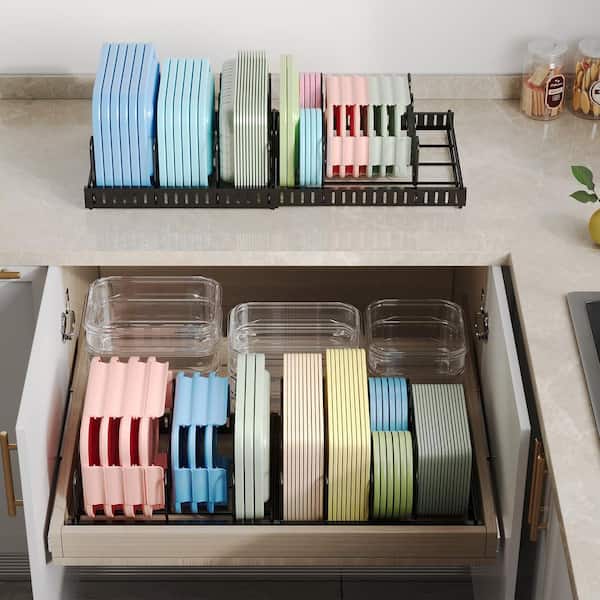
For complete control, create a specific hub solely for your plastic storage needs. This centralized approach prevents spread and confusion.
Combine Drawers with Adjustable Dividers
Use a drawer with custom dividers like the IKEA FÖRVARA series for small items. Pair this with a shelf for larger units to accommodate every size in your collection.
Install Pegboard Walls for Lid Display
Mount a pegboard inside a cabinet or on an adjacent wall. Use labeled hooks to hang lids vertically, eliminating lid clutter entirely while creating a visual display.
Use Countertop Bins for Daily Access
Keep a stackable bin on the counter for containers used every single day. Reserve your main cabinets for backup stock or bulk storage to reduce daily digging.
Label Everything for Long-Term Clarity
Labels prevent confusion and ensure your system remains effective over time. Consistent labeling helps everyone in the household maintain order.
Use Meal-Based Bin Labels
Mark bins by specific content type such as “Soup Containers” or “Breakfast Prep.” This speeds up meal planning and reduces the mental load of searching.
Add Date Labels for Freezer Storage
Use freezer-safe labels to mark contents and dates clearly. Writing “Lasagna – 03/15” reduces food waste and ensures you use older items first.
Document Your System with Photos
Take a picture of your organized cabinet immediately after setup. If the system gets messy later, use this photo as a visual guide to reset everything quickly.
Maintain Your Organization System Monthly
Even the best systems fail without regular upkeep and minor adjustments. Consistency is key to long-term success.
Review Your Collection Every Three Months
Reassess your inventory quarterly to remove broken or unused items. Adjust your bins and dividers as your family needs change over time.
Clean Before Reassembling Bins
Wash all containers and wipe down storage bins before putting them back. A clean start ensures hygiene and makes the system more pleasant to use.
Adapt Rather Than Abandon the System
If a specific bin or divider is not working, tweak the configuration immediately. Small changes keep the system functional without requiring a total overhaul.
Frequently Asked Questions About Organizing Tupperware
How often should I declutter my plastic containers?
You should conduct a full audit of your collection every three to six months. This regular review helps you remove damaged items and prevents clutter from building up again.
What is the best way to store mismatched lids?
Store lids in a dedicated upright organizer or a separate basket underneath their matching containers. You can also nest lids inside containers to keep sets together and save space.
Should I keep containers I haven’t used in years?
No, you should discard or donate any container unused for two years. Keeping old plastic creates unnecessary clutter and reduces the efficiency of your storage system.
How do I stop my container stacks from falling over?
Store containers upright on their sides using shelf risers or dividers. Vertical storage prevents toppling and makes every piece visible without digging through piles.
What labels work best for kitchen cabinets?
Use whiteboard labels, sticky notes, or electronic label makers for clear identification. Label bins by function, such as “Snacks” or “Leftovers,” to speed up retrieval.
Key Takeaways for How to Organize Tupperware in Cabinet
Transforming your chaotic cabinet starts with a strict audit using the two-year rule and discarding damaged items. Implementing clear bins, separating lids, and utilizing vertical space creates a system that saves time daily.
Start your project today by pulling everything out and sorting by size or function. With consistent maintenance and smart zoning, you will never hunt for a matching lid again.