

Hair dye stains on bathroom cabinets are a common household issue, especially after at-home coloring sessions. That vibrant red, deep black, or bold blue can easily transfer onto wood, laminate, or painted surfaces, leaving behind stubborn marks that look impossible to remove. If you’re searching for how to remove hair dye stain from bathroom cabinet, you’re not alone. The good news: most stains can be cleared with common household items and targeted cleaning techniques.
This guide gives you fast, effective solutions based on surface type and stain severity. You’ll learn which cleaners work best, how to avoid damaging your cabinet finish, and what to do if the stain has set in. Whether it’s a small splash or a smeared mess, these proven methods will restore your cabinet’s appearance without harsh scrubbing or expensive products.
Identify Cabinet Material First
Before applying any cleaner, you must determine your cabinet’s surface type. Using the wrong product can cause permanent damage, such as dulling, warping, or peeling. Most bathroom cabinets are made from one of four materials: painted wood, laminate, solid wood, or thermofoil. Each reacts differently to cleaning agents.
Check for Painted or Sealed Surfaces
Painted cabinets are common in modern bathrooms. They often have a semi-gloss or satin finish that resists moisture but can still absorb dye if the stain sits too long. Wipe a damp cloth over the stain. If water beads up, the surface is sealed. If it soaks in slightly, it’s more porous and needs gentler treatment.
Spot Laminate or Thermofoil Finishes
Laminate and thermofoil cabinets resist stains better than wood but can scratch easily. These surfaces have a plastic-like coating. Avoid abrasive pads or ammonia-based cleaners, which can cloud the finish. Instead, opt for non-abrasive solutions that lift color without etching.
Act Fast to Prevent Set-In Stains
The longer hair dye sits on your cabinet, the harder it becomes to remove. Fresh stains under two hours respond well to mild cleaners. Older stains may need stronger agents or repeat treatments.
Blot, Don’t Rub, Fresh Spills
If you catch the spill immediately, gently blot it with a dry microfiber cloth. Rubbing spreads the dye and pushes it deeper. Once most of the excess is absorbed, move to cleaning. The quicker you act, the less likely the stain will bond to the surface.
Rinse With Cold Water Only
Warm or hot water opens the pores of wood and paint, helping the dye set. Always use cold water to rinse the area before applying any cleaner. This step helps lift surface residue and prepares the spot for treatment.
Use Rubbing Alcohol for Fast Removal
Rubbing alcohol, also called isopropyl alcohol, is one of the most effective solutions for removing hair dye from hard surfaces. It breaks down dye pigments without damaging most finishes when used correctly.
Apply With Cotton Ball or Pad
Dip a cotton ball in 70% isopropyl alcohol and press it onto the stain for 10 to 15 seconds. Let it sit to dissolve the dye, then wipe gently in one direction. Replace the cotton as it picks up color to avoid reapplying dye to the surface.
Test in Hidden Area First
Always test alcohol on a hidden part of the cabinet, like the inside corner. Wait 30 seconds. If the finish darkens, bubbles, or lifts, stop immediately. For sensitive surfaces, dilute alcohol with equal parts water to reduce strength.
Try Baking Soda and Dish Soap Paste
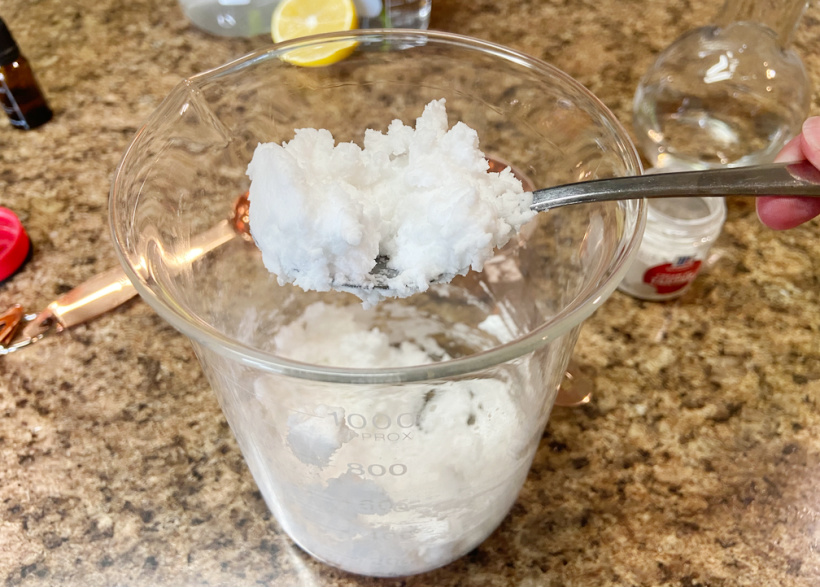
For light stains or delicate finishes, a gentle abrasive paste works well. Baking soda adds mild scrubbing power, while dish soap cuts through dye oils.
Mix Into a Thick Paste
Combine 2 tablespoons of baking soda with 1 teaspoon of liquid dish soap. Add a few drops of water until it forms a toothpaste-like consistency. This mixture lifts dye without scratching most surfaces.
Gently Buff the Stained Area
Apply the paste with a soft cloth and rub in small circles for 20 to 30 seconds. Wipe clean with a damp cloth, then dry immediately. Repeat if needed, but don’t over-scrub, especially on painted or laminated cabinets.
Tackle Tough Stains With Hydrogen Peroxide
Hydrogen peroxide at 3% concentration is a mild bleaching agent effective on dark or set-in hair dye stains. It works especially well on light-colored cabinets.
Apply and Cover for Maximum Effect
Soak a cotton pad in hydrogen peroxide and place it directly over the stain. Let it sit for 5 to 10 minutes. For stubborn marks, cover the pad with plastic wrap to prevent evaporation and enhance penetration.
Rinse and Neutralize After Use
After treatment, rinse thoroughly with cold water. Peroxide can lighten finishes over time, so don’t leave it on longer than recommended. Follow with a quick wipe of soapy water to neutralize residue.
Avoid These Common Mistakes
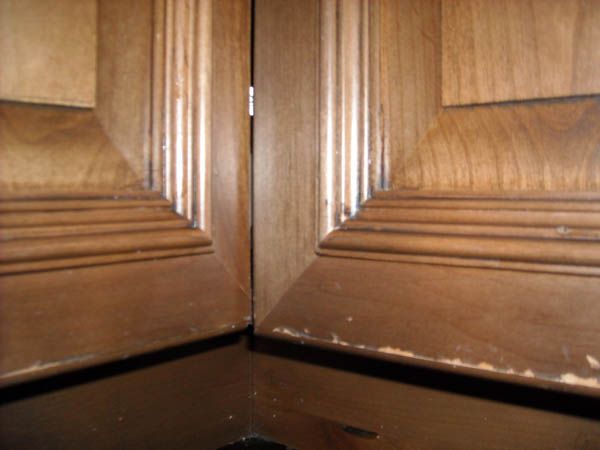
Using the wrong cleaner or technique can turn a small stain into a permanent blemish. Avoid these errors to protect your cabinets.
Never Use Bleach on Wood or Paint
Household bleach can strip paint, warp wood, and yellow laminate. Even diluted, it’s too harsh for most cabinet surfaces. Stick to safer alternatives like alcohol or peroxide.
Skip the Steel Wool or Razor Blades
While tempting for tough stains, abrasive tools scratch finishes and make future cleaning harder. Scratches trap moisture and dirt, leading to mold or further staining. Use only soft cloths or sponge pads.
Clean and Protect After Stain Removal
Once the stain is gone, restore and protect the area to prevent future damage.
Wipe With Damp Cloth and Dry Thoroughly
After any treatment, clean the entire cabinet surface with a mild soapy solution. This removes leftover cleaner and dye traces. Dry immediately with a clean towel to prevent water damage.
Apply Cabinet Polish or Protectant
For wood or painted cabinets, use a silicone-free furniture polish to revive shine. For laminate, a dedicated cabinet conditioner helps resist future stains. Avoid oil-based products in bathrooms because they attract dust and grime.
When to Call a Professional
If the stain remains after multiple attempts, or if the cabinet finish is damaged, professional refinishing may be needed.
Consider Refinishing for Deep Stains
If dye has penetrated deep into wood or paint, surface cleaners won’t reach it. A cabinet refinisher can sand and reseal the area, matching the original look without replacement.
Replace Doors for Severe Damage
In cases of large stains or finish erosion, replacing just the cabinet door is often more cost-effective than redoing the whole unit. Many manufacturers offer matching replacements.
Frequently Asked Questions About Removing Hair Dye From Cabinets
Can hair dye stains be removed from white cabinets?
Yes, white cabinets respond well to hydrogen peroxide and baking soda paste. Test any cleaner in a hidden spot first. For glossy white finishes, rubbing alcohol on a cotton pad works quickly without leaving residue.
Will rubbing alcohol damage cabinet finish?
Rubbing alcohol can damage some finishes if left too long. Always dilute it with water for sensitive surfaces and test in an inconspicuous area first. Limit contact time to 15 seconds or less for painted cabinets.
How long does hair dye take to stain cabinets?
Hair dye can start bonding to surfaces within 30 minutes. Porous wood absorbs faster than sealed laminate. The longer the dye sits, the deeper it penetrates, making removal harder.
Is nail polish remover safe for cabinet stains?
Nail polish remover contains acetone, which can dissolve paint and warp laminate. Avoid it entirely on cabinets. Use rubbing alcohol or hydrogen peroxide instead for safer results.
Can I use vinegar to remove hair dye from cabinets?
Vinegar is too mild for most dye stains and may not break down pigments effectively. It can also dull certain finishes. Stick to alcohol, baking soda, or peroxide for reliable results.
What if the stain won’t come out after multiple attempts?
If the dye has penetrated deeply, surface cleaners won’t reach it. Professional refinishing or door replacement may be necessary. Consult a cabinet specialist for an assessment.
Key Takeaways for Removing Hair Dye Stains From Cabinets
Removing hair dye from bathroom cabinets is usually quick and simple when you act fast and use the right method for your surface. Rubbing alcohol and baking soda paste handle most cases, while hydrogen peroxide tackles deeper stains. Always test cleaners first, avoid harsh tools, and protect the surface after cleaning.
Start with the mildest solution and work your way up only if needed. Cold water rinses and gentle blotting prevent the dye from spreading. For stubborn stains, patience and repeated treatments often work better than aggressive scrubbing.
With these steps, your cabinets can look like new without renovation. Tackle fresh spills immediately, keep the right supplies on hand, and your bathroom will stay clean and vibrant between coloring sessions.


