

Grease buildup on cabinet doors is a common kitchen problem, especially near the stove or cooking area. Over time, cooking oils and splatters accumulate, leaving behind a sticky, grimy film that dulls wood finishes, attracts dust, and makes cabinets look old and neglected. If you’ve ever wiped your cabinet doors only to see the grime return quickly, you’re not alone. Ordinary cleaning often fails because grease bonds tightly to surfaces. The good news? With the right methods, you can remove grease from cabinet doors effectively and safely, restoring their shine without damaging the finish.
This guide walks you through proven, step-by-step techniques using household ingredients and commercial cleaners. Whether your cabinets are painted, stained wood, laminate, or thermofoil, we’ll show you how to choose the best cleaning solution, avoid common mistakes, and maintain clean results long-term. You’ll learn how to identify grease buildup, prep surfaces safely, and apply targeted cleaning methods that work. No scrubbing harder required.
Essential Cleaning Supplies Needed

Before starting, gather the right tools. Using improper cleaners or abrasive materials can damage cabinet finishes or strip protective coatings. Here’s what you’ll need for most grease-removal jobs:
- Microfiber cloths (lint-free and non-abrasive)
- Soft sponge or non-scratch scrubber
- Bucket or spray bottle
- Rubber gloves (to protect hands from cleaners)
- Mild dish soap (like Dawn)
- White vinegar
- Baking soda
- Isopropyl alcohol (70% or higher)
- All-purpose degreaser (e.g., Krud Kutter, Goo Gone Kitchen Degreaser)
- Optional: Olive oil or furniture polish (for final conditioning)
Having these on hand ensures you can switch methods if one isn’t working. It also helps you avoid damaging your cabinets with improvised tools like steel wool or paper towels that can scratch.
Identify Your Cabinet Door Material
Test for Finish Type First
Not all cabinets react the same to cleaners. Applying vinegar to certain painted surfaces or alcohol to laminates can cause clouding or peeling. Always test your cleaning solution on a hidden area—like the inside edge of a door—before applying it fully.
Common cabinet door materials include:
- Wood (stained or painted): Porous and sensitive to harsh chemicals. Use pH-neutral or mild solutions.
- Thermofoil (vinyl-laminated MDF): Smooth but can blister with excessive moisture or strong solvents.
- Laminate: Resistant to water but may discolor with alcohol-based cleaners.
- Metal or glass: Durable but prone to water spots or streaks.
Knowing your material helps you avoid damage while maximizing cleaning power.
Spot the Grease Buildup Areas
Grease concentrates in specific zones. Focus your effort where it’s needed most:
- Front edges of upper and lower cabinets near the stove
- Handles and knobs (frequently touched with oily hands)
- Top edges of wall cabinets (where rising grease settles)
- Backsplash area behind the stove
These spots often require extra attention or repeated cleaning.
Use Dish Soap and Warm Water for Light Grease
Mix a Gentle Cleaning Solution
For light to moderate grease, start with the mildest method: warm water and dish soap. This combo cuts through oil without harming most finishes.
Steps:
- Fill a bucket or sink with warm (not hot) water
- Add 1–2 drops of dish soap (too much leaves residue)
- Dip a microfiber cloth or soft sponge into the solution
- Wring until damp—never soaking wet
Excess water can warp MDF or seep into wood joints, so always use a lightly damp cloth.
Wipe Down Cabinet Doors Safely
Work in sections, starting from the top down to avoid drips on cleaned areas.
- Wipe the surface using up-and-down motions (follow wood grain if visible)
- Pay extra attention to edges and corners
- Rinse the cloth frequently in clean water
- Dry immediately with a second dry microfiber towel
This method works best for weekly maintenance or post-cooking cleanup. Repeat as needed for stubborn spots.
Tackle Tough Grease With Vinegar Solution
Prepare Natural Degreasing Spray
When soap and water aren’t enough, upgrade to a vinegar-based cleaner. The acidity helps dissolve bonded grease, and it’s safe for most surfaces when diluted.
Recipe:
- 1 part white vinegar
- 2 parts warm water
- Optional: 1 drop of dish soap for added cutting power
Pour into a spray bottle. Shake gently before use.
Apply and Let It Sit
Spray the solution directly onto the greasy area or onto a cloth. Spraying directly may damage some finishes over time, so test first.
- Let sit for 2–3 minutes to break down grease
- Do not let vinegar dry on the surface—this can cause dulling
- Wipe with a microfiber cloth using light pressure
- Dry thoroughly immediately
Avoid using vinegar on waxed wood, stone, or unsealed surfaces, as it can etch or damage them.
Make a Baking Soda Paste for Stubborn Spots
Create a Non-Scratch Scrub
For caked-on or sticky grease that won’t budge, baking soda acts as a gentle abrasive without scratching.
Paste recipe:
- 3 parts baking soda
- 1 part water (add slowly to form a thick paste)
Option: Replace water with vinegar for a fizzing reaction. Use cautiously on sensitive finishes.
Gently Scrub Grease Buildup
Apply paste to a microfiber cloth or soft sponge.
- Rub in small circular motions on greasy spots
- Focus on handles, corners, and raised panels
- Do not press hard—let the paste do the work
- Wipe clean with a damp cloth
- Dry immediately
This method is ideal for textured or paneled doors where grime hides in crevices.
Use Commercial Degreaser for Heavy Buildup
Choose the Right Kitchen-Safe Product
When natural methods fail, a commercial degreaser delivers stronger results. Look for labels like:
- “Kitchen-safe”
- “Non-toxic”
- “No rinse required”
- “Biodegradable”
Recommended options:
- Krud Kutter Original
- Goo Gone Kitchen Degreaser
- Method Squirt + Mop
Avoid oven cleaners or industrial degreasers. They’re too harsh for cabinetry.
Apply Degreaser Correctly
Always follow label instructions, but general steps are:
- Spray lightly on a cloth (not directly on cabinets)
- Wipe over greasy surface, focusing on problem areas
- Let sit only as long as directed (usually 30–60 seconds)
- Wipe off with a damp cloth
- Dry thoroughly
Never mix degreasers with vinegar or bleach. It can create dangerous fumes.
Clean Cabinet Hardware Separately
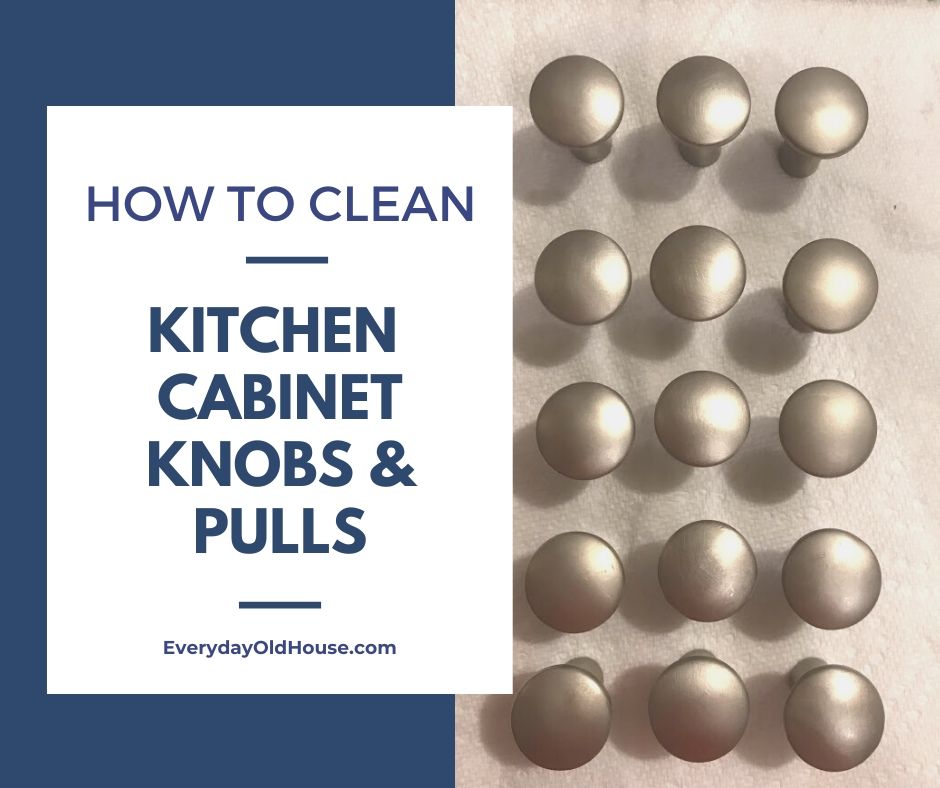
Remove and Soak Knobs and Pulls
Handles trap grease and oils from hands. Cleaning them separately ensures a complete refresh.
Steps:
- Unscrew knobs or pulls using a screwdriver
- Place in a bowl of warm, soapy water
- Let soak for 10–15 minutes
- Scrub gently with an old toothbrush
- Rinse and dry completely before reattaching
For tarnished metal hardware, use a metal polish after cleaning.
Wipe Mounting Screws and Holes
Grease collects around screw heads and mounting holes.
- Wipe screw heads with a vinegar-dampened cloth
- Use a cotton swab to clean around the hole
- Let dry fully before reinstallation
This prevents grime transfer back to clean hardware.
Prevent Grease Buildup With Daily Habits
Wipe Surfaces After Cooking
The best way to avoid deep cleaning is daily maintenance.
- After frying or sautéing, wipe cabinet fronts with a damp microfiber cloth
- Keep a cleaning spray and cloth in a nearby drawer
- Address splatters immediately before they harden
Even 30 seconds a day can prevent months of buildup.
Install a Backsplash or Shield
Physical barriers reduce grease contact.
- Use stick-on grease shields behind the stove (removable and washable)
- Install a tile or stainless steel backsplash for permanent protection
- Clean shields weekly to maintain effectiveness
These shields catch rising oil vapor before it lands on cabinets.
Maintain Clean Cabinets With Weekly Routine
Schedule Light Cleaning Sessions
Set a reminder to deep-wipe cabinets weekly.
Quick checklist:
- Spray microfiber cloth with vinegar-water mix
- Wipe all cabinet fronts and edges
- Clean handles and knobs
- Dry completely
Consistent upkeep keeps grease from bonding to surfaces.
Condition Wood Finishes Occasionally
Dry wood looks dull and attracts more grime. After cleaning, restore luster.
- Apply a few drops of olive oil or furniture polish to a clean cloth
- Buff gently over wood surfaces
- Avoid over-application—too much attracts dust
Do this once a month or as needed.
Avoid Common Cleaning Mistakes
Don’t Use Abrasive Tools
Steel wool, scouring pads, or rough brushes can scratch finishes and make cabinets more prone to future grease buildup.
Always use soft cloths or non-scratch sponges.
Never Soak Cabinet Doors
Wood and MDF swell when wet. Never drench doors or let water pool at seams.
Use damp, not wet cloths, and dry immediately.
Skip Harsh Chemicals
Bleach, ammonia, or undiluted alcohol can strip finishes or discolor surfaces.
Stick to mild, tested solutions.
Frequently Asked Questions About Removing Grease from Cabinet Doors
What is the fastest way to remove grease from cabinet doors?
The fastest method is using a commercial kitchen degreaser. Spray it on a microfiber cloth, wipe the greasy surface, let it sit for 30 to 60 seconds, then wipe clean with a damp cloth. This cuts through heavy buildup quickly without scrubbing.
Can I use vinegar to clean grease off painted cabinets?
Yes, but dilute it first. Mix 1 part white vinegar with 2 parts warm water. Test on a hidden area first, as vinegar can dull some painted finishes. Never let the solution dry on the surface.
Will baking soda scratch my cabinet doors?
No, baking soda is a gentle abrasive. Mix it with water to form a paste and apply with a soft cloth or sponge. Use light circular motions. It won’t scratch most finishes when used correctly.
How often should I clean grease off kitchen cabinets?
Wipe cabinet fronts after heavy cooking sessions, especially frying or sautéing. Do a deeper cleaning with vinegar or degreaser weekly. Daily 30-second wipes prevent heavy buildup.
Can I use WD-40 to remove grease from cabinets?
WD-40 is not recommended for cabinet surfaces. It leaves an oily residue that attracts more dust and grease. Stick to dish soap, vinegar, baking soda, or kitchen-safe degreasers.
How do I remove grease from wood cabinets without damaging the finish?
Use mild dish soap and warm water first. For tougher spots, use a vinegar-water solution or baking soda paste. Always dry immediately and avoid soaking the wood. Test any cleaner on a hidden area first.
Key Takeaways for Removing Grease from Cabinet Doors
Removing grease from cabinet doors doesn’t require harsh chemicals or extreme effort. Start with gentle methods like dish soap and water, then escalate only as needed. By identifying your cabinet material, using the right tools, and maintaining a simple cleaning routine, you can keep your kitchen looking fresh and grease-free.
The key is consistency. Clean little and often, and you’ll avoid the dreaded deep-clean marathon later. Start with a quick wipe-down today, and your cabinets will thank you tomorrow.


