
A cluttered entryway creates immediate stress, but the right hallway cabinet ideas can turn a chaotic corridor into an organized sanctuary. Whether you live in a compact apartment or a sprawling family home, strategic storage solutions maximize every inch of your narrow passage.
This guide explores specific designs like floating units and hall trees to help you reclaim your space. You will learn how to measure accurately, select durable materials, and implement organization systems that keep your home welcoming.
Measure Your Space Before Installation
Accurate measurements prevent costly mistakes and ensure your new storage fits perfectly within your architectural constraints. Skipping this step often leads to blocked pathways or units that overwhelm the available area.
Assess Dimensions and Clearance
Start by measuring the width, depth, and height of your intended installation zone. Most slim hallway cabinets range from 10 to 14 inches in depth, which is ideal for maintaining walkability. Ensure you leave at least 36 inches of clear walking space to allow for smooth traffic flow throughout the day. Use a laser measure for precision, especially in older homes where walls may not be perfectly straight.
Verify Wall and Floor Load Capacity
Wall-mounted options require secure attachment to studs to support weight safely. Check your wall structure before installing heavy floating units to prevent accidents or damage. For floor-standing models, confirm your flooring can handle the load when the cabinet is fully stocked with shoes and coats. Consult a professional if you are unsure about the structural integrity of your walls or floors.
Select the Right Cabinet Configuration

Choosing the correct type of storage depends on your specific spatial constraints and functional needs. Different configurations offer unique benefits regarding visibility, capacity, and style integration.
Built-In Storage for Seamless Style
Custom-built cabinetry fits precisely between walls or under staircases for a high-end, unified look. These units often feature enclosed compartments that hide shoes and seasonal items from view. You can paint them to match your trim, creating a seamless architectural element that maximizes storage without visual clutter.
Floating Cabinets for Open Sightlines
Slim, wall-mounted floating cabinets keep the floor visible to enhance the sense of space in tight hallways. These work well for storing mail, gloves, or decorative baskets while maintaining an airy feel. Opt for handle-less designs with push-to-open mechanisms to achieve a sleek, modern profile that does not obstruct movement.
Hall Trees with Integrated Storage
A 4-in-1 detachable hall tree combines a cabinet, drawers, coat hooks, and sometimes a bench into one unit. These are perfect for entryways needing dedicated zones for outerwear and accessories. Look for models in antique blue or white for a farmhouse aesthetic, or choose black finishes for industrial appeal.
Narrow Console and Accent Units
Narrow consoles as slim as 12 inches deep fit into tight spots while doubling as display surfaces. Pair these with a mirror above and a vase below to add style without bulk. Choose models with drawers or cabinets to hide clutter while keeping the footprint minimal and functional.
Left-Right Combination Cabinets
Modular 2-in-1 units feature cabinets on one side and open shelving or hooks on the other. These work exceptionally well in hallways that transition into living areas by offering both storage and display. Black-finished models add contrast and sophistication to neutral corridors.
Match Style to Your Home Aesthetic
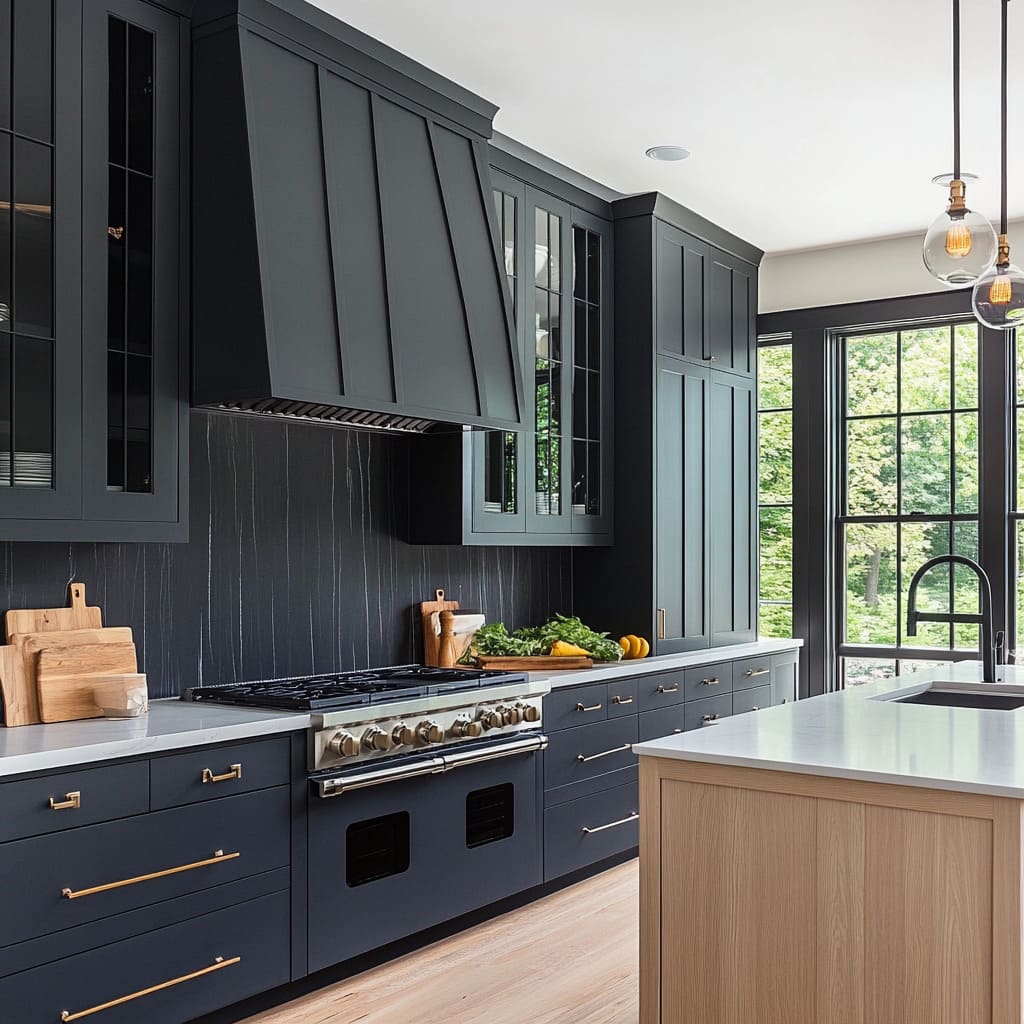
Your storage solution should complement your existing interior design rather than clash with it. Consistent styling ensures the hallway feels like an intentional part of your home.
Modern Minimalist with Clean Lines
Select handle-less cabinets in matte black or white composite materials for a contemporary look. Use recessed or LED lighting to highlight the silhouette while keeping decor minimal. This style thrives in urban apartments where clean lines and neutral tones create a calming atmosphere.
Classic Farmhouse with Warm Appeal
Choose Shaker-style doors, soft-close hinges, and warm wood finishes like oak or walnut for traditional charm. Pair these with antique brass or ceramic knobs to enhance authenticity. These cabinets suit traditional homes and provide durable, everyday functionality with a welcoming vibe.
Industrial Edge with Metal Accents
Combine wood or black composite cabinets with iron hooks, exposed piping, or steel frames for an industrial edge. Matte black hardware and raw textures enhance this aesthetic, making it ideal for lofts. This style pairs well with exposed brick and concrete elements often found in converted spaces.
Coordinate Finishes with Décor
Match your cabinet color to baseboards or wall paint to create visual cohesion throughout the space. White cabinets brighten dark hallways, while antique blue adds character without overwhelming the senses. Use wood tones to warm up modern spaces or contrast them with bold accent walls for impact.
Optimize Interior Organization Systems
Maximizing the interior of your cabinet ensures you utilize every available inch for storage efficiency. Smart organization prevents items from becoming lost or disorganized over time.
Use Adjustable and Pull-Out Shelves
Fixed shelves limit flexibility, so choose cabinets with adjustable shelving to accommodate boots or bins. For deep units, install pull-out drawers or trays so items in the back remain accessible. This feature is critical for shoe storage or organizing cleaning supplies effectively.
Add Door-Mounted and Vertical Organizers
Maximize every inch by installing over-the-door pocket organizers for gloves, scarves, or pet leashes. Magnetic strips work well for bobby pins, keys, or small tools to keep them secure. Hooks or racks inside doors provide spots for bags or belts without adding bulk to the main compartment.
Label and Sort with Clear Bins
Use clear, labeled bins for seasonal items like winter hats or holiday decor to maintain order. Stackable bins save vertical space, while color-coding by category makes identification instant. Rotate contents every 3 to 6 months to prevent clutter buildup and ensure relevance.
Boost Functionality with Lighting

Proper lighting transforms a dark storage area into a functional and inviting part of your home. It improves visibility and adds a layer of sophistication to your hallway cabinet ideas.
Install LED Strips for Visibility
Battery-powered or hardwired LED strip lights under shelves illuminate contents without casting shadows. Choose warm white temperatures between 2700K and 3000K for a welcoming glow that feels natural. Motion-sensor strips turn on automatically when you open the cabinet, which is perfect for dark hallways.
Highlight Design with Accent Lighting
Mount LED strips above the cabinet to wash the wall with light, making the space feel larger and more open. Recessed ceiling lights or wall sconces near the unit enhance ambiance and guide movement at night. This technique draws attention to your design choices while improving practical usability.
Prioritize Durability and Maintenance
High-traffic areas demand materials and mechanisms that withstand daily wear and tear. Regular maintenance ensures your investment lasts for years without losing its appeal.
Choose Materials for High-Traffic Zones
Hallways endure scuffs and moisture, so opt for solid wood or plywood for longevity. Painted finishes resist scratches better than raw wood, and composite materials offer water resistance near outdoor entrances. Avoid particleboard in humid areas as it swells and weakens over time with exposure.
Use Soft-Close Hinges and Drawers
Soft-close mechanisms prevent slamming, reduce noise, and extend the life of your cabinetry. These are standard in Classic Farmhouse and premium units but worth upgrading in budget models. Test them in-store to ensure smooth operation before purchasing for your home.
Clean and Declutter Regularly
Schedule a deep clean every 3 to 6 months to remove dust and unused items. Remove everything, wipe shelves with a damp cloth, and vacuum corners to maintain hygiene. Add casters to heavy bins for easier removal during cleaning sessions to save time and effort.
Design for Specific Spaces
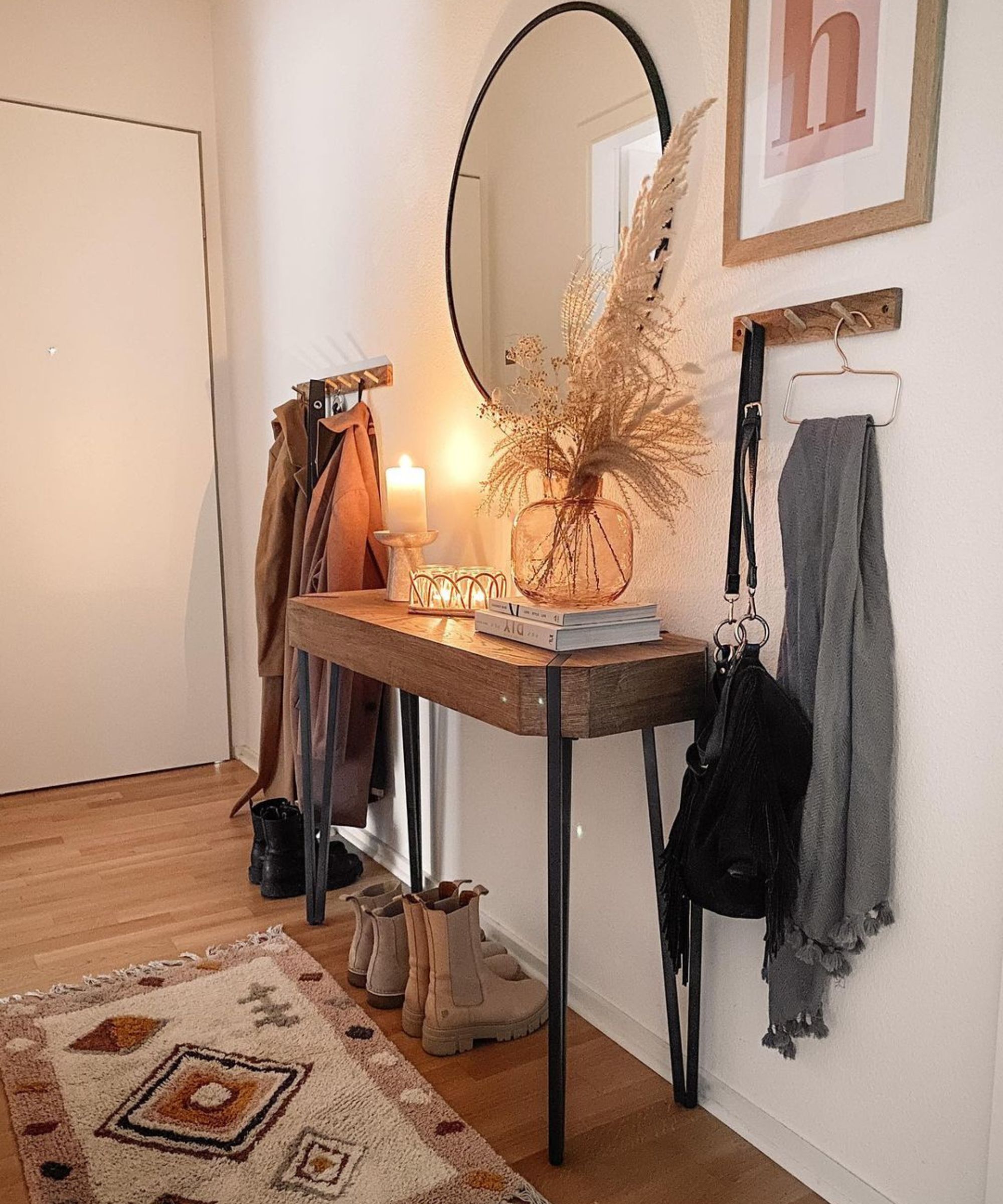
Tailor your approach based on the specific type of hallway or entryway you are working with. Different environments require different solutions for optimal results.
Small Apartments and Narrow Halls
Focus on vertical storage and slim profiles to maximize utility in limited square footage. Use floating cabinets that are 10 to 12 inches deep and tall, narrow units up to 72 inches high. Place mirrors above these units to reflect light and avoid floor-standing units wider than 30 inches.
Mudrooms and Entryways
Choose heavy-duty cabinets with shoe cubbies or benches featuring storage underneath. Ensure multiple hooks are available for family members and use durable flooring beneath to catch dirt. Place a washable mat in front to protect the floor from mud and moisture daily.
Hallways That Double as Living Areas
Use left-right combination cabinets with closed storage on one side and open shelves for books. This balances privacy with display needs while keeping the design cohesive with adjacent room styles. It allows the hallway to serve multiple functions without feeling cluttered.
Make It Multifunctional

Enhance the utility of your storage by integrating features that support daily routines. Multifunctional designs turn simple cabinets into essential hubs for your household.
Add Charging Stations and Mirrors
Integrate USB outlets inside cabinets for convenient phone charging while you get ready. Mount a full-length mirror on the cabinet door or adjacent wall to check your appearance before leaving. A small console surface provides a spot for dropping keys or mail efficiently.
Combine with Seating
A hall tree with a built-in bench allows you to sit while putting on shoes comfortably. Look for models with storage underneath the seat, which is perfect for boots or baskets. Ensure the bench height is 18 to 19 inches for optimal comfort during use.
Frequently Asked Questions About Hallway Cabinet Ideas
What is the ideal depth for a hallway cabinet?
Most slim hallway cabinets range from 10 to 14 inches in depth. This measurement allows for adequate storage while maintaining at least 36 inches of clear walking space for safe traffic flow.
How can I maximize storage in a very narrow hallway?
Focus on vertical storage solutions like floating cabinets or tall, narrow units up to 72 inches high. Utilize door-mounted organizers and clear bins to make the most of every inch without cluttering the floor.
What style works best for small entryways?
Modern Minimalist styles with handle-less designs and light colors help small spaces feel larger. Floating cabinets in white or matte black create an open sightline that prevents the area from feeling enclosed.
How often should I reorganize my hallway storage?
You should clean and reorganize your hallway cabinets every 3 to 6 months. This routine helps remove unused items and ensures seasonal rotation keeps your most needed items accessible.
Can I install floating cabinets on any wall?
No, floating cabinets must be secured into wall studs to support their weight safely. Always verify your wall’s load capacity and use appropriate anchors or consult a contractor before installation.
Key Takeaways for Implementing Hallway Cabinet Ideas
Successful hallway storage blends precise measurements with durable materials and smart organization. By selecting the right configuration, such as floating units or hall trees, you can transform even the narrowest corridor into a functional asset. Prioritize features like soft-close hinges and adjustable shelving to ensure long-term usability.
Start by measuring your space today and identifying which style best fits your home’s aesthetic. With these hallway cabinet ideas, you can create an organized, welcoming entrance that serves your family’s needs for years to come.