Choosing the right kitchen cabinets can make or break your kitchen’s functionality and style. With so many materials, layouts, finishes, and hardware options, the process can feel overwhelming. But the right cabinets do more than store dishes—they shape how you cook, clean, and gather in one of the most used spaces in your home. Whether you’re building a new kitchen or remodeling an existing one, knowing how to choose kitchen cabinets is essential for balancing aesthetics, durability, and budget. This guide cuts through the noise to give you a clear, step-by-step approach to selecting cabinets that fit your lifestyle, space, and design goals.
From understanding cabinet types to decoding pricing tiers and avoiding common mistakes, you’ll walk away with actionable insights. You’ll learn how to match cabinet styles to your home’s architecture, optimize storage with smart layouts, and pick finishes that stand the test of time. Whether you’re aiming for a modern minimalist look or a traditional farmhouse feel, the decisions you make now will impact your kitchen for years to come.
Match Cabinet Style to Your Home’s Architecture
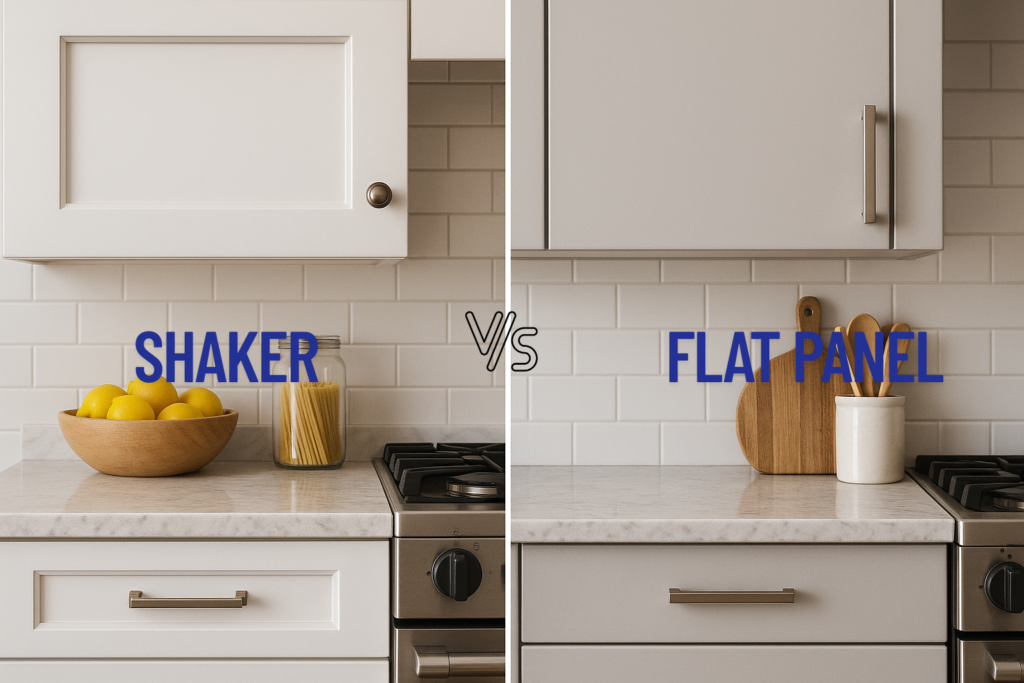
Your kitchen should feel like a natural extension of your home, not an afterthought. Start by assessing your home’s overall style. A Craftsman bungalow benefits from shaker-style cabinets with warm wood tones, while a contemporary loft thrives with flat-panel, handle-less designs in matte finishes. Ignoring this connection can make even high-end cabinets look out of place.
If your home has historic charm, consider raised-panel or inset cabinets with glass inserts or decorative molding. For modern homes, frameless (European-style) cabinets with clean lines and integrated handles create a sleek, uncluttered look.
Select the Right Cabinet Door Style
The door style defines the kitchen’s personality. Popular options include:
- Shaker: Simple, five-piece doors with a recessed center. Timeless and versatile.
- Slab (Flat-Panel): Minimalist, often used in modern designs.
- Raised Panel: Traditional, with a slightly protruding center. Common in classic kitchens.
- Beadboard: Adds texture, ideal for cottage or coastal styles.
- Louvered: Features vertical slats, often used in tropical or Mediterranean designs.
Test samples in your kitchen’s lighting. A finish that looks warm in a showroom may appear too yellow under fluorescent lights.
Understand Cabinet Construction Types
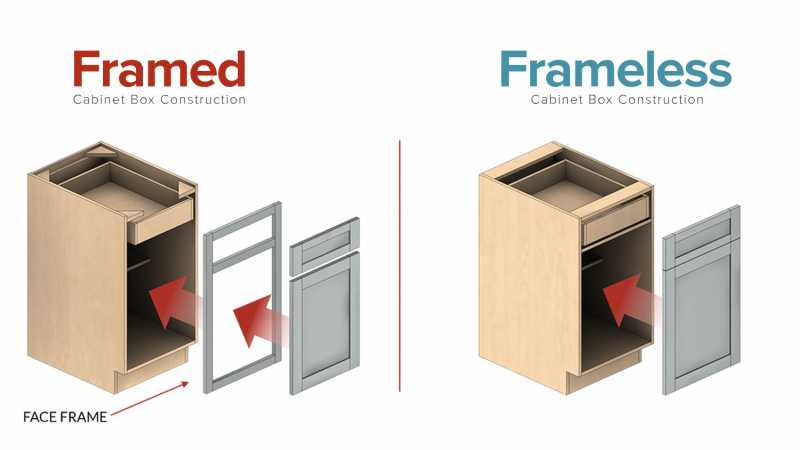
Frame vs Frameless Cabinets
Framed cabinets (face-frame) have a wood frame around the front of the box. They’re durable, easier to install hinges on, and common in American kitchens. The frame adds visual depth and supports the door.
Frameless cabinets (full-access or European-style) have no front frame, offering more interior space and a streamlined look. The doors attach directly to the cabinet box, maximizing storage and creating a modern aesthetic. They require precise installation but are favored in high-end, contemporary designs.
Solid Wood vs Plywood vs Particleboard
- Solid Wood: Premium choice. Durable, repairable, and offers rich grain. Prone to warping in humid environments if not sealed properly.
- Plywood: Strong and stable. Uses thin wood layers glued together. Resists swelling and is great for painted finishes.
- Particleboard: Budget-friendly but less durable. Swells when wet and doesn’t hold screws well over time.
For base cabinets that hold heavy items, solid wood or plywood is recommended. Particleboard may suffice for upper cabinets if moisture is controlled.
Measure and Plan Cabinet Layout
Assess Kitchen Workflow Zones
A well-designed cabinet layout supports the kitchen work triangle: sink, stove, and refrigerator. Position cabinets to keep this triangle efficient—no leg too long, no traffic cutting through.
Create zones:
– Prep Zone: Cabinets near the sink and counter space for cutting boards and tools.
– Cooking Zone: Near the stove, with easy access to spices, oils, and cookware.
– Storage Zone: Pantry cabinets or deep drawers for dry goods and appliances.
Avoid placing tall cabinets where they block windows or disrupt flow.
Take Accurate Measurements
Use a laser measure or tape measure to record:
– Wall length (floor to ceiling)
– Window and door locations
– Electrical outlets and plumbing
– Ceiling height and floor irregularities
Note obstructions like pipes or vents. Even a 1/2-inch error can cause installation issues. Always double-check measurements before ordering.
Choose Cabinet Finish and Color
:max_bytes(150000):strip_icc()/DesignbyNatalieKraiemPhotobyKirstenFrancis-c8c60d48cd3541a9bdb756a933aa3780-a21edbeb7f374a498dd8a5cfbb33cdd1.jpg)
Pick a Long-Lasting Paint or Stain
Painted cabinets offer bold color choices but require maintenance. Use semi-gloss or satin finishes—they resist stains and are easier to wipe down. For durability, choose lacquer or conversion varnish finishes, commonly used in custom cabinetry.
Stained cabinets showcase wood grain and age gracefully. They’re ideal for traditional or rustic kitchens. Use a protective topcoat like polyurethane to prevent scratches and moisture damage.
Avoid flat paint—it shows every smudge and is hard to clean.
Test Finishes in Real Lighting
Natural light changes throughout the day. A gray that looks cool in the morning may appear blue at noon. Place sample doors on your counters and observe them at different times.
Hold samples next to countertops and flooring. A warm walnut cabinet may clash with cool quartz countertops unless balanced with warm backsplash tiles.
Select Cabinet Hardware

Choose Knobs, Pulls, or Handles
Hardware is the jewelry of your kitchen. Match the style to your cabinet design:
- Bar pulls: Modern and ergonomic, great for drawers.
- Bin pulls: Vintage charm, often used on shaker cabinets.
- Knobs: Classic and space-saving, ideal for small doors.
- Integrated handles (finger pulls): Seamless look, common in handle-less designs.
Mix knob and pull styles? Use pulls on drawers and knobs on doors—a timeless combo.
Consider Finish and Material
Match hardware finish to other kitchen metals—faucet, lighting, and appliances. Common finishes:
- Brushed nickel: Warm and modern, hides fingerprints.
- Matte black: Bold contrast, great with white or wood cabinets.
- Polished chrome: Bright and reflective, best in well-lit kitchens.
- Oil-rubbed bronze: Rustic and rich, suits traditional styles.
Avoid mixing warm and cool metals unless intentionally designed.
Optimize Cabinet Storage Solutions
Use Smart Interior Organizers
Maximize every inch with:
- Pull-out shelves: For deep base cabinets.
- Lazy Susans: Corner cabinet lifesavers.
- Spice racks: Narrow pull-outs next to the stove.
- Trash and recycling pull-outs: Hidden but accessible.
- Plate racks and utensil dividers: Keep drawers orderly.
Custom inserts cost more but prevent clutter and make items easy to find.
Add Glass Doors or Open Shelving
Glass-front cabinets display dishware and add visual interest. Use them on upper cabinets near the sink or dining area.
Open shelving offers easy access and makes small kitchens feel larger. But be realistic—open shelves require constant tidying. Use them sparingly and style with matching dishes or baskets.
Compare Cabinet Pricing Tiers
Stock, Semi-Custom, and Custom Options
- Stock Cabinets: Pre-built in standard sizes. Fast delivery, lowest cost ($60–$150 per linear foot). Limited customization.
- Semi-Custom: Adjustable sizes, finishes, and features. Mid-range price ($150–$350 per linear foot). Best value for most homeowners.
- Custom Cabinets: Made to exact specs. Highest quality and price ($350–$700+ per linear foot). Ideal for unique layouts or premium materials.
For renovations, semi-custom often strikes the best balance between cost and flexibility.
Budget for Installation and Extras
Installation costs $100–$300 per linear foot, depending on complexity. Include:
- Demolition of old cabinets
- Wall repairs or patching
- Electrical or plumbing adjustments
- Hardware and accessories
Add 10–15% to your cabinet budget for unexpected costs. Rush orders or expedited shipping can add 20% to the price.
Avoid Common Cabinet Selection Mistakes
Don’t Skip Cabinet Samples
Never choose cabinets from a brochure or website alone. Order full-size door samples with the finish and hardware you’re considering. Live with them for a week. See how they look in morning vs evening light. Test how they feel when opened and closed.
Avoid Overcrowding Small Kitchens
In compact spaces, too many cabinets feel oppressive. Use light colors, glass doors, or open shelving to maintain airiness. Consider upper cabinets that stop short of the ceiling with crown molding above—this creates height without bulk.
Don’t Ignore Ventilation Needs
Cabinets around the stove must withstand heat and grease. Use easy-to-clean finishes and avoid placing wood cabinets directly above or beside a range without a backsplash buffer. Consider metal or thermofoil finishes in high-splash zones.
Finalize and Order Cabinets
Work with a Reputable Supplier
Choose a supplier with strong reviews, clear warranties, and responsive customer service. Ask:
- What’s the lead time?
- Do they offer design software or in-person consultations?
- Is there a return or replacement policy for damaged items?
Local cabinet shops often provide better service than big-box stores.
Double-Check the Cabinet Order
Before finalizing, review the layout drawing and item list. Confirm:
- Correct quantities and sizes
- Door and drawer configurations
- Finish and hardware matches
- Special features (pull-outs, corner units, etc.)
A missing hinge or wrong-sized cabinet can delay installation by weeks.
Frequently Asked Questions About How to Choose Kitchen Cabinets
What is the most popular cabinet style for kitchens?
Shaker cabinets are the most popular choice because they work in both traditional and modern kitchens. Their simple recessed panel design pairs well with almost any countertop, backsplash, or hardware finish.
How much should I budget for kitchen cabinets?
Stock cabinets cost $60 to $150 per linear foot, semi-custom runs $150 to $350, and custom options start at $350 and can exceed $700 per linear foot. Add 10–15% for unexpected costs and $100–$300 per linear foot for installation.
Are plywood cabinets better than particleboard?
Yes, plywood resists moisture and holds screws more securely than particleboard. Plywood is the better choice for base cabinets that support heavy loads. Particleboard works for upper cabinets in dry conditions but may swell over time.
What finish is easiest to maintain for kitchen cabinets?
Semi-gloss and satin paint finishes resist stains and wipe down easily. Lacquer and conversion varnish offer even more durability. Avoid flat paint because it shows every smudge and is difficult to clean.
Should I choose framed or frameless cabinets?
Framed cabinets offer a traditional look and are easier to install hinges on. Frameless cabinets provide more interior storage and a sleek, modern appearance. Choose based on your style preference and the level of precision you expect from installation.
How long does it take to receive kitchen cabinets?
Stock cabinets typically ship within a few days to two weeks. Semi-custom orders take four to eight weeks. Custom cabinets can take eight to twelve weeks or longer, depending on the manufacturer and complexity.
Key Takeaways for Choosing Kitchen Cabinets
Choosing kitchen cabinets comes down to planning, patience, and prioritizing what matters most—function, beauty, or budget. Start by defining your style and matching it to your home’s architecture. Then focus on construction quality, smart storage, and finishes that fit your daily habits.
Take your time with samples and measurements. A small mistake in sizing or a finish that looks wrong in your lighting can lead to costly delays. Work with a reputable supplier who offers clear warranties and responsive support.
The right cabinets won’t just look good—they’ll make your kitchen a joy to use every single day. Order samples, double-check your layout, and trust your instincts. Your dream kitchen is closer than you think.