

You’ve got a curio cabinet sitting in your living room, dining area, or hallway—maybe inherited, maybe newly bought—but it’s either empty or cluttered with mismatched knickknacks that don’t tell a story. You’re not alone. Many homeowners struggle with how to decorate a curio cabinet in a way that feels intentional, elegant, and personal. The good news? A well-styled curio cabinet can become a focal point of your space, showcasing your taste, memories, and design sensibility.
Decorating a curio cabinet isn’t just about filling space—it’s about curation. Whether you’re displaying vintage glassware, family heirlooms, collectible figurines, or modern ceramics, the goal is balance: symmetry and asymmetry, color and contrast, height and depth. Done right, your cabinet becomes a living gallery. This guide walks you through every step—from planning your theme to arranging objects and lighting the display—so you can style your curio with confidence.
Choose a Cohesive Theme
Before placing anything inside, decide on a unifying idea. A strong theme ties the contents together and prevents visual chaos.
Pick a Style or Story
Will your curio reflect coastal charm, mid-century modern design, or antique elegance? Maybe it’s dedicated to travel souvenirs or handmade pottery. Ask yourself: What do I want this cabinet to say? A theme could be as broad as “vintage dining” or as specific as “blue and white ceramics from the 1950s.” Stick to one central concept for visual harmony.
Group Similar Items Together
Cluster objects by material, color, era, or function. For example:
• All white porcelain figurines
• Colored glass bottles in varying heights
• Silverware sets from different decades
• Books with matching spines
Grouping creates rhythm and makes the eye move smoothly across the shelf.
Arrange by Height and Proportion
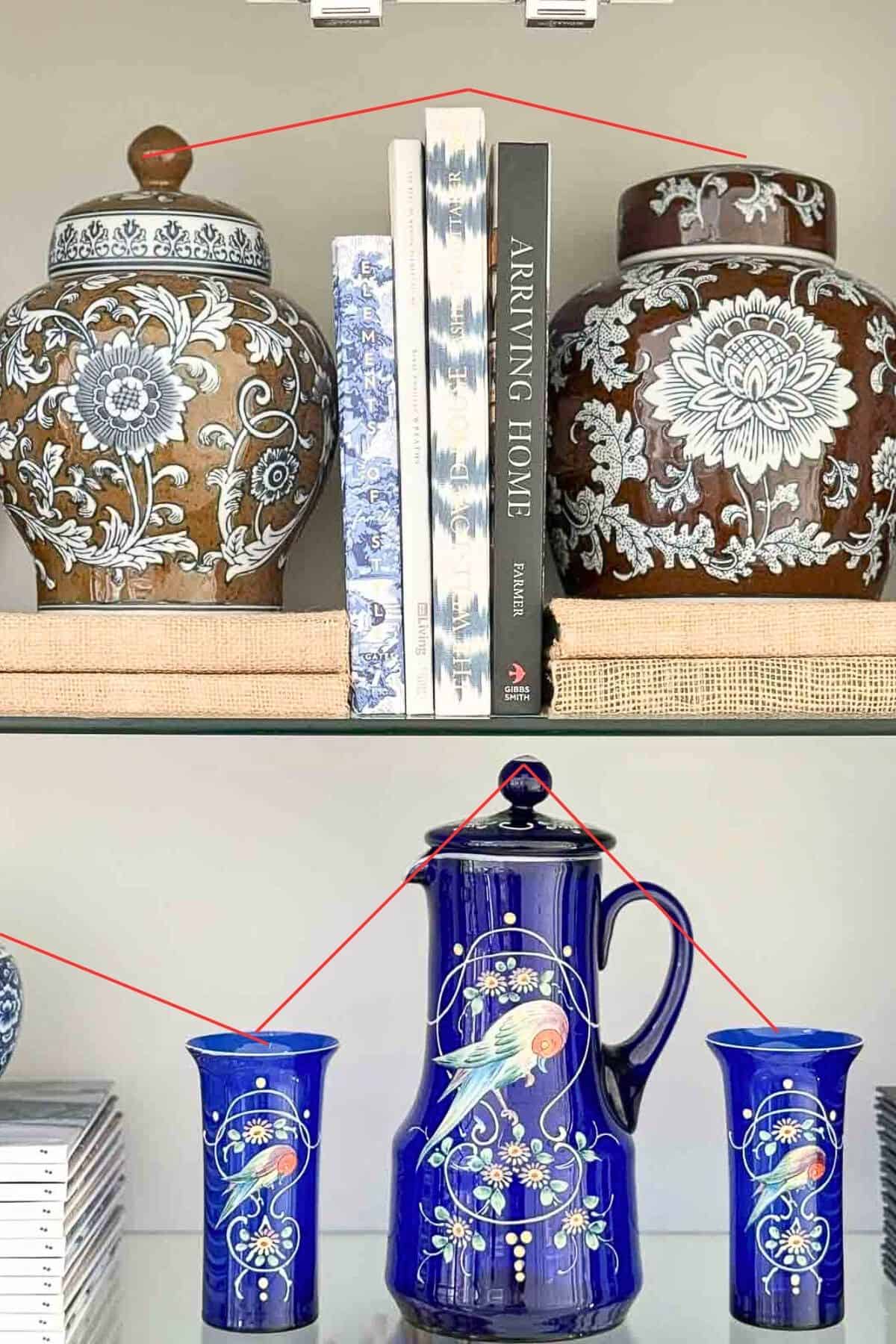
A cluttered cabinet often results from random placement. Use height and scale to create visual flow.
Start with Tallest Items at the Back
Place the tallest pieces—like vases, lamps, or sculptures—toward the back of the top shelf. This draws the eye upward and avoids blocking the view of smaller items behind them.
Layer Objects in Front
Use smaller items—candlesticks, perfume bottles, or trinket boxes—in front of taller ones to create depth. Think of it like staging a photo: background, middle ground, foreground.
Avoid Blocking Sightlines
Don’t stack items so densely that you can’t see through the glass. Leave breathing room between objects so each piece gets attention.
Use Symmetry or Asymmetry Strategically
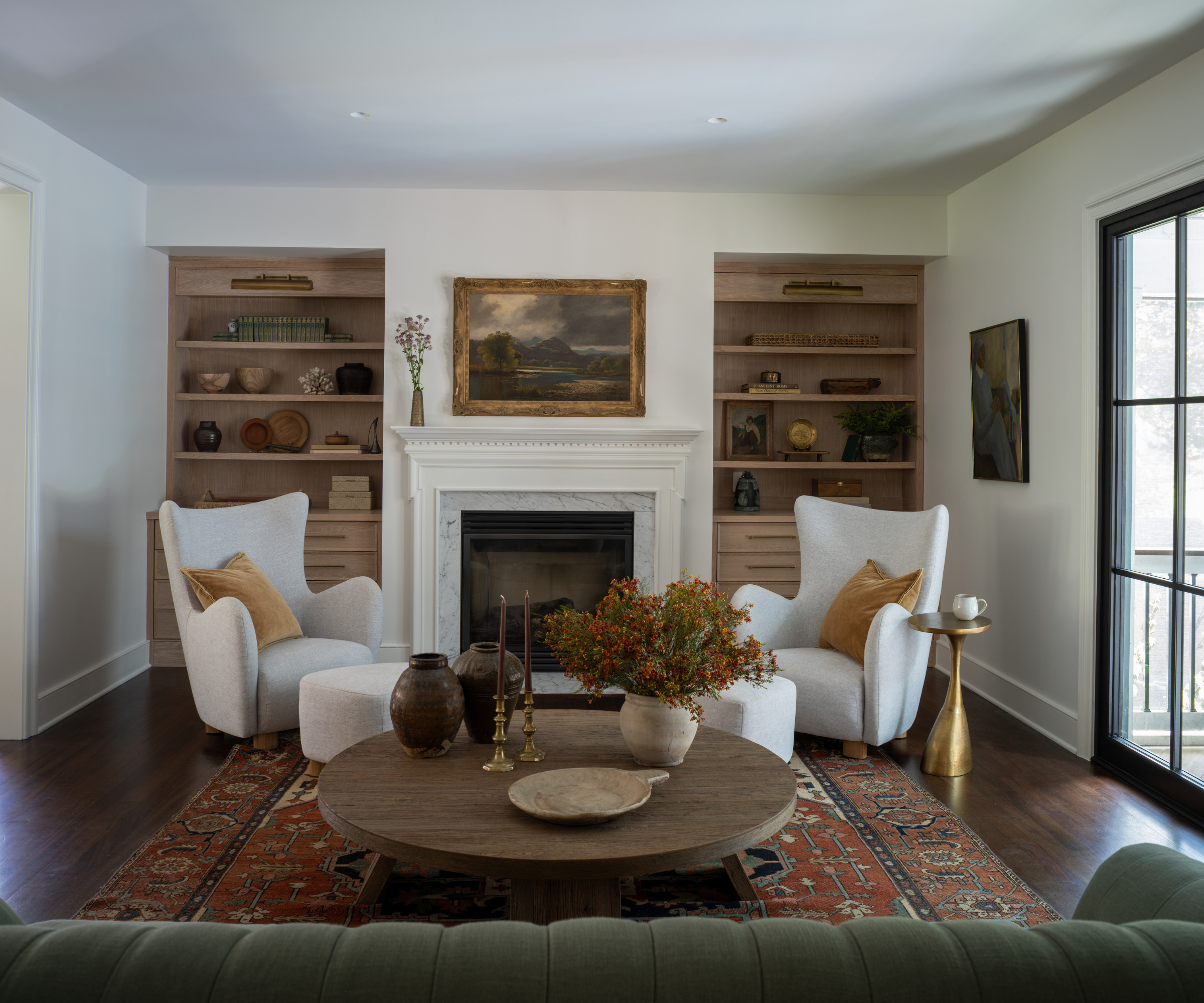
Balance is key, but you don’t always need perfect symmetry.
Try Mirror-Image Arrangement
For a formal look, place matching items on either side of the center. For example:
• Two identical lamps at each end
• Paired figurines flanking a centerpiece
• Books stacked evenly on both sides
Symmetry feels stable and classic—ideal for traditional spaces.
Embrace Asymmetrical Balance
If you prefer a more relaxed vibe, balance different objects by visual weight. A large ceramic bowl on one side can be offset by a cluster of three small vases on the other. The key is equal “eye pull,” not identical items.
Play with Color and Texture
A monochrome palette can be striking, but thoughtful color use adds energy.
Stick to a Limited Color Palette
Limit your colors to 2–3 main hues plus neutrals. Too many clashing colors make the display feel chaotic. For example:
• Cream, gold, and emerald green
• Navy, white, and brass
• Black, gray, and silver
Even if items vary in style, shared colors unify them.
Mix Materials for Visual Interest
Combine smooth glass, rough ceramics, shiny metal, and matte wood. Texture contrast keeps the eye engaged. For instance:
• A glossy teapot next to a woven basket
• A crystal decanter beside a stone sculpture
• A lacquered box under a bronze figurine
Variety within cohesion prevents boredom.
Add Lighting for Drama
Lighting transforms a curio cabinet from storage to statement.
Install Interior Lights
LED strip lights, puck lights, or small halogen bulbs highlight details and cast gentle glows. Battery-powered options are easy to install without wiring.
Aim Lights Strategically
Point lights downward on top shelves or upward from the base to create shadows and dimension. Avoid harsh glare—diffused lighting works best.
Use Warm-Tone Bulbs
Opt for warm white (2700K–3000K) rather than cool blue light. Warmth enhances wood tones and makes objects feel inviting.
Style the Shelves Thoughtfully
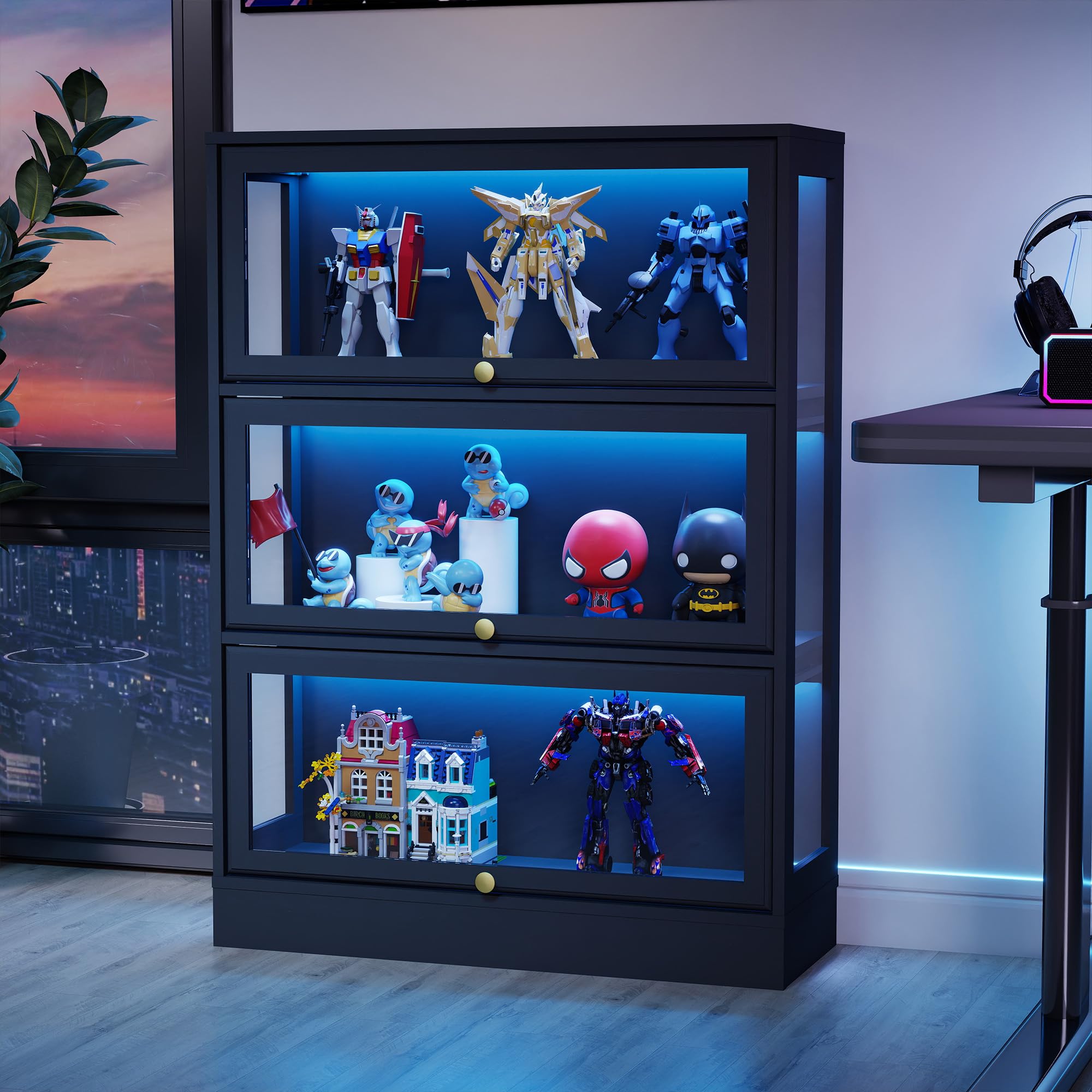
How you place items on each shelf matters as much as what you place.
Use Risers for Extra Levels
Acrylic or metal risers create mini-shelves within a shelf, letting you display small items at different heights. Perfect for jewelry, perfume, or tiny collectibles.
Rotate Objects Seasonally
Refresh your display with holidays or seasons:
• Spring: pastel dishes and floral motifs
• Winter: silver ornaments and candlelit scenes
• Fall: amber glass and rustic pottery
Seasonal rotation keeps the cabinet feeling current.
Leave Negative Space
Don’t overcrowd. Empty space gives the eye a place to rest and makes featured items stand out. Aim for 20–30% open shelf area.
Secure and Protect Your Items
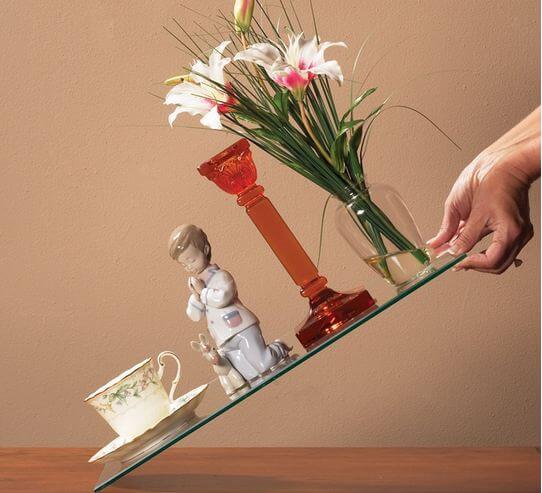
A beautiful display is pointless if items are at risk.
Use Museum Putty for Stability
Small, clear adhesive putty (like Blu Tack or Museum Wax) keeps lightweight objects from tipping or sliding, especially if the cabinet is near foot traffic or vibrations.
Keep Glass Clean and Smudge-Free
Fingerprints and dust ruin visibility. Wipe doors and shelves weekly with a microfiber cloth and glass cleaner.
Avoid Direct Sunlight
Prolonged exposure fades colors and damages delicate materials. Position the cabinet away from windows or use UV-filtering glass.
Personalize with Meaningful Touches
The best displays tell a story.
Include Family Heirlooms
Grandma’s teacup, a great-uncle’s pocket watch, or a child’s first trophy add emotional depth.
Showcase Travel Memories
A seashell from Greece, a miniature Eiffel Tower, or hand-painted tiles from Morocco turn your cabinet into a memory box.
Label Special Pieces (Optional)
Tiny printed tags or elegant calligraphy cards add a museum-like touch and help guests appreciate what they’re seeing.
Maintain Your Display
Styling isn’t a one-time job.
Dust Regularly
Use a soft brush or microfiber duster weekly. For hard-to-reach spots, a can of compressed air helps.
Reassess Every Few Months
Take everything out and re-evaluate. What still fits the theme? What feels outdated? Editing keeps your display fresh.
Photograph Your Arrangement
Snap a picture before disassembling for cleaning. It’s a helpful reference when putting things back.
Final Note: Decorating a curio cabinet is part art, part strategy. By choosing a theme, balancing proportions, adding light, and infusing personal meaning, you transform a simple glass case into a curated showcase. Whether your style is classic, eclectic, or minimalist, the key is intentionality. Now that you know how to decorate a curio cabinet, it’s time to open the doors and start styling.


