Your backyard grill area feels incomplete without proper storage for tools and ingredients. Smart outdoor cabinet ideas solve this by adding weather-resistant storage that transforms a simple patio into a functional kitchen.
This guide details durable materials like aluminum and timber frames to help you build a space that lasts. You will learn specific installation steps, layout secrets, and maintenance tips to protect your investment for decades.
Choose the Right Outdoor Kitchen Style

Your aesthetic choice dictates material selection and overall functionality. From rustic farm builds to sleek urban patios, the right style ensures your space looks intentional.
Rustic Farmhouse Charm Designs
This warm style uses natural textures like reclaimed wood to blend with gardens. Ideal for rural properties, these cabinets often feature deep sinks and open shelving made from aged pallets.
- Hand-fitted joints secured with wooden pegs instead of metal fasteners
- Pre-stained beams installed to protect against moisture and sun damage
- True timber frame structures assembled over several days for stability
The “Stony Ridge Farm” project exemplifies this approach with its cohesive, protected finish. Pairing rustic wood with stainless steel hardware maintains charm while ensuring durability.
Modern Minimalist Look Details
Clean lines and hidden storage define this contemporary aesthetic. Sleek teak cabinetry with hidden hinges offers a clutter-free finish that withstands harsh elements.
- Concrete countertops with integrated sinks for a seamless appearance
- Aluminum frames that resist corrosion and dents in coastal areas
- Appliances flush-mounted to disappear when not actively used
Minimalist designs thrive in urban settings where space is limited. The result is a high-end look that prioritizes low maintenance and weather-smart materials.
Industrial-Grade Functionality Needs
If your space doubles as a processing station, industrial design delivers unmatched utility. This approach utilizes metal shelving with visible supports and exposed utility lines as design features.
- Stainless steel wall units for superior hygiene and heat resistance
- Heavy-duty cabinets built to store large grills and smokers
- Exposed plumbing or gas lines used as bold visual elements
This no-nonsense style suits chefs who prioritize workflow efficiency over decoration. It creates a robust environment ready for heavy daily use.
Best Materials for All-Weather Cabinets
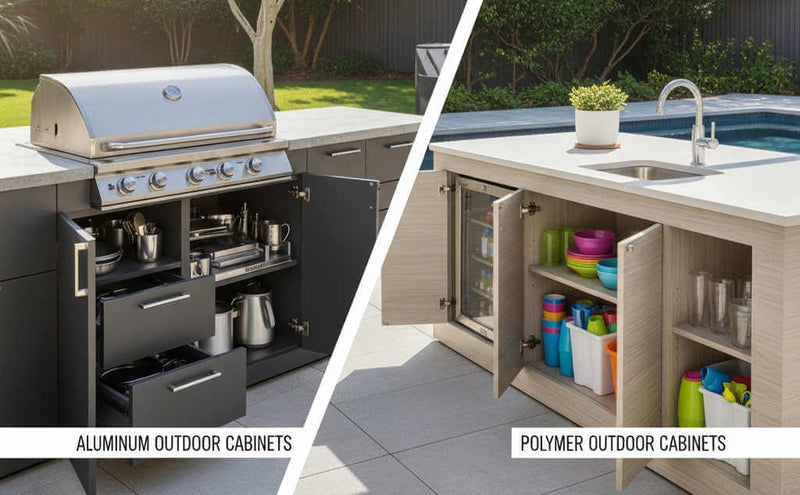
Material selection determines whether your cabinets rot or last for decades. Avoid warping and rust by choosing components engineered specifically for outdoor exposure.
Aluminum Lightweight and Rust-Proof Options
Aluminum cabinets are a top-tier choice for longevity due to their resistance to corrosion. They are lightweight enough for DIY installation yet strong enough for heavy loads.
- 100% rust-proof and corrosion-resistant construction
- Easy assembly using hook-and-slot systems with self-tapping screws
- Adjustable leveling bolts for perfect alignment on uneven pavers
Look for powder-coated finishes that resist chipping and UV fading. These units often require minimal upkeep compared to other materials.
Stainless Steel Commercial Durability
Used in professional kitchens, stainless steel brings unmatched strength and easy cleaning capabilities. It resists heat, stains, and moisture effectively.
- Ideal for sink surrounds, backsplashes, and high-use workstations
- Requires occasional polishing to prevent water spots and maintain luster
- Best for wall-mounted units or areas near intense heat sources
This material offers a professional appearance that signals serious cooking capability. Its resistance to rust makes it a reliable long-term investment.
Composite Wood Real Look Zero Rot
Composite cabinets mimic natural wood grain but will not splinter or attract termites. They are made from recycled wood fibers and plastic for superior stability.
- Requires minimal sealing or staining compared to natural timber
- More expensive than plywood but far more durable over time
- Resists warping and moisture absorption in humid climates
Perfect for homeowners who want the warmth of wood without the constant upkeep. These units maintain their appearance despite repeated weather exposure.
Polyethylene Totally Waterproof Choices
Plastic (polyethylene) cabinets are ideal for wet zones or temporary setups where water immunity is critical. They are immune to water, mold, and UV damage.
- Impact-resistant and lightweight for easy movement
- Often used for freestanding storage or utility tool bins
- Great for potting benches or hidden utility zones near water sources
These units offer a practical solution for areas prone to flooding or heavy rain. Their total resistance to water makes them virtually indestructible.
Treated Plywood Budget-Friendly Limits
Weatherproof plywood works if properly sealed, but it is not a permanent solution. It must be coated with marine-grade sealant on all sides to prevent swelling.
- Cut edges are vulnerable and require pre-sealing before assembly
- Prone to swelling if exposed to standing water for long periods
- Best used only in covered areas with excellent drainage systems
Use this option only if you are on a strict budget and can commit to regular maintenance. Without perfect sealing, moisture will eventually cause failure.
Install on a Level Stable Base
Even the best cabinets fail without a solid foundation. Proper installation prevents wobbling, water pooling, and structural stress on joints.
Build on a Flat Surface Foundation
Start with a concrete slab, composite decking, or a pressure-treated wood frame. Never install directly on grass or soil where moisture accumulates.
- Surface must support over 500 lbs per cabinet unit safely
- Maintain minimum 2-inch clearance from ground for airflow
- Slope floor slightly toward a drain to manage runoff water
A stable base ensures your investment remains secure through seasonal changes. Proper preparation prevents costly repairs later.
Use Adjustable Leveling Bolts
Outdoor ground settles over time, causing misalignment issues. Leveling bolts let you fine-tune cabinet height after placement to compensate.
- Turn bolts at each corner to raise or lower the unit easily
- Check alignment with a 4-foot level for precision
- Verify equal distance from cabinet edge to concrete reference points
This feature is critical for installations on uneven patios or sloped driveways. It allows for perfect horizontal surfaces despite ground irregularities.
Seal All Mounting Points Effectively
Water sneaks in through screw holes and joints causing hidden damage. Prevent rot by applying waterproof sealant around every mounting screw.
- Use gasketed doors and sealed drawer tracks to block moisture
- Install drip edges under countertops to direct water away
- Apply sealant to all cut edges and joint lines immediately
Warning: Never skip sealing steps as moisture in joints causes hidden rot and rust. Proper sealing extends the life of your cabinets significantly.
Optimize Layout for Maximum Efficiency
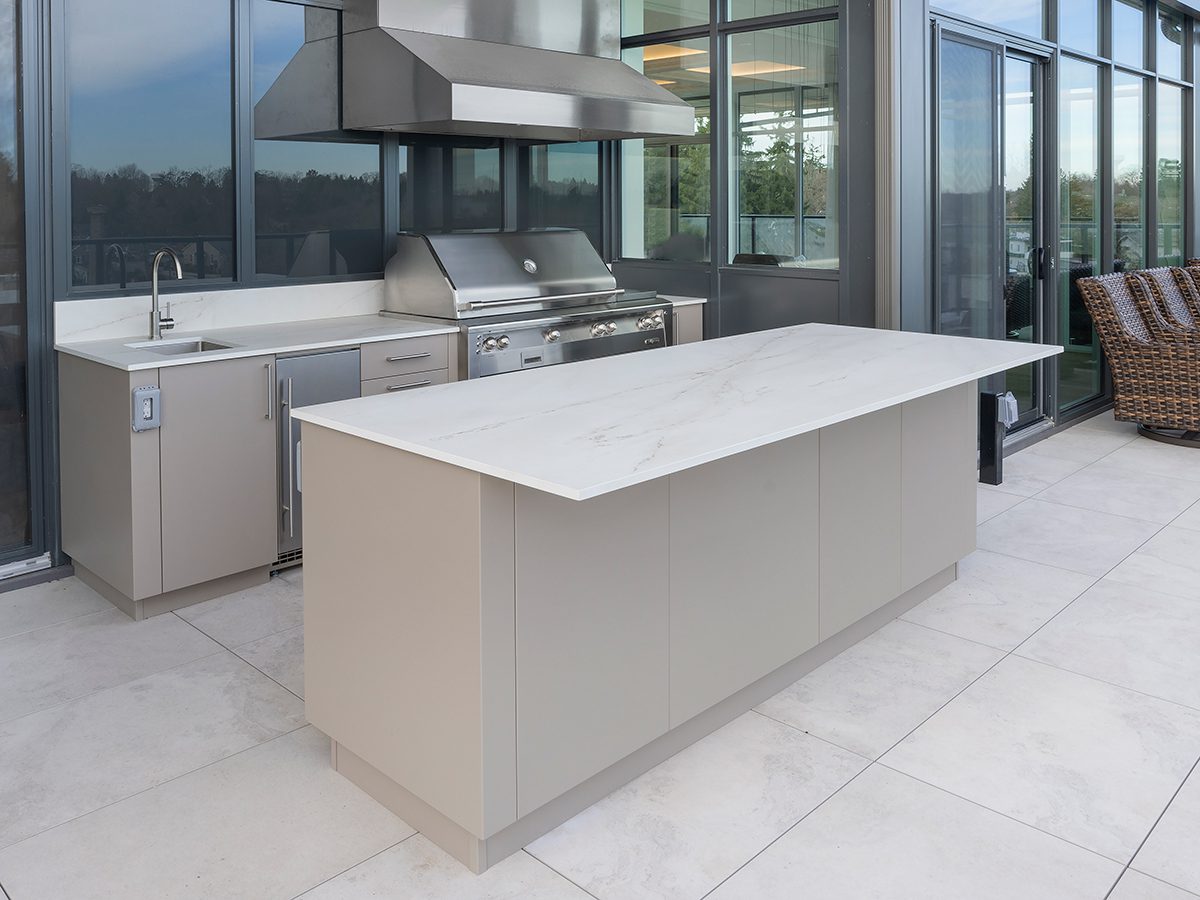
A smart layout turns your outdoor kitchen into a seamless cooking zone. Think like a chef by minimizing steps and maximizing workflow between stations.
Pick the Right Configuration
Match your space and needs with one of these proven layouts for best results. Each option offers distinct advantages depending on your yard size.
Galley-Style Kitchen Layout
Two parallel counters with a walkway in between create an efficient workspace. This layout is ideal for dedicated outdoor rooms with defined boundaries.
- Grill on one side with sink and fridge on the opposite side
- Add an archway to define the space and separate traffic
- Keeps guests out of the immediate work zone during cooking
Perfect for hosting large groups while maintaining an organized cooking environment. The separation of duties improves safety and speed.
Portable Island Carts
Freestanding units on wheels offer flexibility for changing needs. You can move them to sun or shade as needed throughout the day.
- Store propane tanks, tools, or utensils inside the cart
- Convert a basic grill area into a full kitchen instantly
- Great for renters or small yards with limited fixed space
These units allow you to reconfigure your space for different events. They provide a versatile solution for evolving outdoor living needs.
Wall-Mounted Systems
Cabinets attached directly to a patio wall or pergola save valuable floor space. This keeps countertops clear and maximizes vertical storage potential.
- Use full-height units to reduce dust buildup inside
- Best for covered patios or dedicated “cook shacks”
- Frees up ground area for seating or dining tables
This configuration works well in narrow spaces where floor footprint matters. It creates a clean, integrated look against existing structures.
Design for Workflow Efficiency
Follow the outdoor kitchen triangle: grill, sink, and fridge. This concept minimizes movement and streamlines the cooking process.
- Allow 30+ inches of clearance beside the main workstation
- Position prep counter perpendicular to the grill for easy access
- Place fridge within 4 feet of the cooking zone for efficiency
Pro Tip: Raise countertops to 42–44 inches for chopping tasks. This height reduces back strain during extended food preparation sessions.
Add High-Performance Features
Modern outdoor cabinets go beyond simple storage to include integrated appliances and durable surfaces. These features boost function and comfort significantly.
Durable Countertop Options
Choose a surface that handles heat, rain, and daily use without degrading. Different materials offer varying levels of maintenance and aesthetics.
| Material | Best For | Maintenance Level |
|---|---|---|
| Granite/Quartz | Grilling zones and heavy use | Low, just wipe clean |
| Concrete | Custom shapes and modern looks | Medium, reseal yearly |
| Composite | Budget-friendly durability | Low, UV-resistant |
| Cutting Board | Dedicated prep stations | High, remove and wash |
Concrete can be poured in place and molded around sinks for a seamless finish. Granite offers superior heat resistance for areas near open flames.
Built-In Appliances Integration
Housing appliances inside cabinets creates a clean, built-in look that mimics indoor kitchens. Dedicated bays ensure proper fit and function.
- Outdoor fridges from brands like True Flame fit in dedicated bays
- Gas stoves and griddles mount securely between cabinet units
- Pull-down faucets work perfectly with deep farmhouse sinks
For heavy grills over 40 inches, use an engine puller during installation. Some units weigh over 200 lbs and require mechanical assistance for safe placement.
Smart Storage Solutions
Keep tools, spices, and supplies organized and dry with clever storage. Adjustable shelves accommodate items of varying heights easily.
- Pull-out trays for matches, oils, and cleaning cloths
- Lockable doors to secure valuables from guests or pests
- Compost or trash bins with tight-sealing lids to reduce odors
Common Mistake: Forgetting clearance for fridge ventilation. Always leave 2–3 inches behind units to ensure proper airflow and operation.
Use the Right Tools for Precision
Building or installing cabinets requires tools that handle metal, concrete, and tight spaces effectively. Using the wrong tools leads to poor fits and damaged materials.
Cut Metal Like a Professional
Standard saws struggle with aluminum and often bind or overheat. Use specialized tools for clean, accurate cuts.
- Diamond angle cutting blade (4.5″) cuts aluminum fast without binding
- The Nibbler removes small sections of metal in tight corners
- Both tools ensure clean edges without distorting the material
These tools allow for custom fits in complex spaces. They prevent the jagged edges that standard blades often leave behind.
Ensure Perfect Alignment
Precision measurement ensures your layout functions correctly. Use tape to mark cut lines on countertops before making final cuts.
- Place a 2-inch drain pipe as a guide for sink plumbing alignment
- Double-check sink outlet alignment before applying any sealant
- Dry-fit all cabinets before final screwing to verify fit
Time-Saving Shortcut: Dry-fitting prevents costly mistakes. It allows you to adjust layout issues before permanent installation begins.
Support Heavy Countertops
Stone or concrete tops need strong support to prevent cracking over time. Use dual brackets per cabinet section for maximum stability.
- Install central “spider” mounts under heavy spans for support
- Secure with self-tapping screws designed for outdoor use
- Prevents sagging and cracking caused by weight and weather
Proper support structures ensure your countertops remain level and intact. This step is critical for heavy natural stone installations.
Maintain for Decades of Use
Even the toughest cabinets need care to maintain their appearance and function. A simple routine keeps them looking new for years.
Clean Regularly and Gently
Wipe surfaces with mild soap and water weekly to remove grime. Avoid bleach or ammonia as these degrade seals and finishes over time.
- Polish stainless steel monthly to prevent water spotting
- Rinse off salt or chlorine immediately after exposure
- Use soft cloths to avoid scratching protective coatings
Gentle cleaning preserves the protective layers on your materials. Harsh chemicals can strip finishes and lead to premature corrosion.
Inspect Annually for Wear
Check for wear before peak season starts to catch issues early. Replace seals and gaskets if they appear cracked or brittle.
- Tighten loose screws especially on leveling legs and hinges
- Reapply caulking around joints and sink edges as needed
- Check for signs of rust or corrosion on hardware components
Annual inspections prevent small problems from becoming major failures. Proactive maintenance extends the lifespan of your outdoor kitchen significantly.
Protect from the Elements
Install a small awning or shade cloth to block harsh UV rays. UV exposure fades finishes and weakens adhesives over time.
- Use grill covers when appliances are not in use
- Store sensitive items in waterproof bins inside cabinets
- Ensure airflow around cabinets to prevent mold growth
Key Insight: Shade adds years to cabinet life by reducing thermal stress. Protecting your investment from direct sun pays off in longevity.
Match Your Cabinet to Your Lifestyle
Your ideal setup depends on how you use the space daily. Different users require different features and layouts for maximum satisfaction.
For the Entertainer Host
Focus on spacious galley layouts with integrated fridges and ice makers. Under-cabinet LED lighting creates ambiance for night parties.
- Large prep areas for serving multiple guests simultaneously
- Ample storage for glassware and serving platters
- Seating areas integrated into the island design
This setup facilitates social interaction while keeping cooking organized. It turns your backyard into a primary entertainment venue.
For the Practical Chef
Prioritize granite countertops with cutting board insets for efficiency. Adjustable shelving holds pots and pans within easy reach.
- Proximity between grill and prep zone for quick transfers
- High-quality faucets and deep sinks for cleanup
- Organized spice and tool storage for rapid access
This configuration minimizes movement and maximizes cooking speed. It is designed for those who cook outdoors frequently and seriously.
For the Homesteader User
A timber frame structure with a deep sink handles heavy-duty tasks. Butcher-block height counters reduce strain during processing work.
- Storage for canning jars, tools, and animal feed
- Rugged materials that withstand rough handling
- Large waste management systems for organic matter
This setup supports self-sufficiency and large-scale food preparation. It is built for durability and heavy functional use.
For the Urban Gardener
A potting bench with a sink and hose connection serves dual purposes. Integrate compost bins directly into the cabinet structure.
- Storage for trowels, gloves, and seed trays
- Waterproof surfaces for muddy gardening tasks
- Compact design fitting small balconies or patios
This hybrid approach maximizes utility in limited urban spaces. It combines cooking and gardening needs into one efficient station.
Final Checklist Before You Buy
Use this list to ensure your outdoor cabinets are ready for any weather condition. Verify these features before finalizing your purchase or build.
| Feature | Why It Matters |
|---|---|
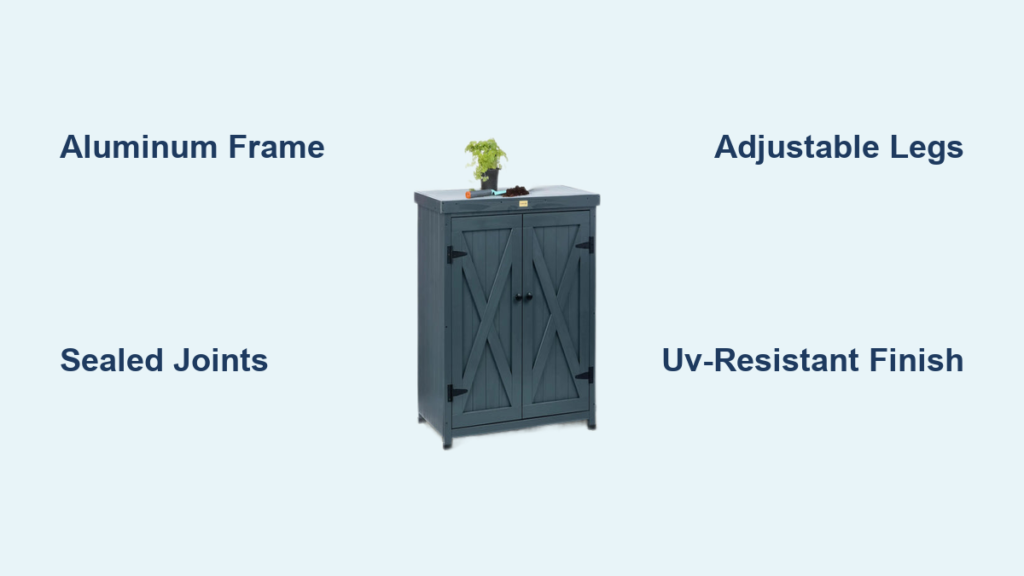
| Aluminum or stainless steel frame | Prevents rust and structural failure |
| UV-resistant finish | Stops fading and cracking from sun |
| Adjustable leveling bolts | Compensates for uneven ground surfaces |
| Sealed joints and gaskets | Blocks water entry and prevents rot |
| Drainage gaps under cabinets | Promotes airflow and prevents mold |
| Outdoor-rated appliances | Operate safely in heat and humidity |
| Pull-out organizers | Maximize usable storage space efficiently |
The best outdoor cabinet ideas combine form and function effectively. Style must last and be built with materials that won’t fail under pressure.
Frequently Asked Questions About Outdoor Cabinet Ideas
What is the most durable material for outdoor cabinets?
Aluminum and stainless steel are the most durable options available. They are completely rust-proof, resistant to corrosion, and require minimal maintenance compared to wood.
Can I install outdoor cabinets on an uneven patio?
Yes, you can use cabinets with adjustable leveling bolts. These allow you to compensate for sloped concrete or uneven pavers to ensure a level surface.
How do I prevent my outdoor cabinets from rusting?
Choose rust-proof materials like aluminum or composite wood. Additionally, ensure all mounting points are sealed and hardware is stainless steel or coated.
Do outdoor cabinets need a concrete foundation?
While not strictly mandatory, a stable base like concrete or treated wood is highly recommended. This prevents settling and ensures the structural integrity of the units.
How often should I clean my outdoor kitchen cabinets?
Clean surfaces weekly with mild soap and water. Perform a deeper inspection and hardware check annually to maintain seals and prevent long-term damage.
What is the best height for an outdoor prep counter?
Standard height is 36 inches, but raising it to 42–44 inches reduces back strain. This higher level is ideal for chopping and detailed food preparation tasks.
Key Takeaways for Your Outdoor Cabinet Ideas Project
Selecting the right outdoor cabinet ideas involves balancing aesthetics with rigorous material science. Aluminum and stainless steel offer the best protection against rot and rust for long-term use.
Proper installation on a level base with sealed joints ensures your kitchen withstands the elements. Focus on workflow efficiency and regular maintenance to enjoy your space for decades.
Start by assessing your specific needs and choosing materials that match your climate. With careful planning, your outdoor kitchen will become a beloved extension of your home.