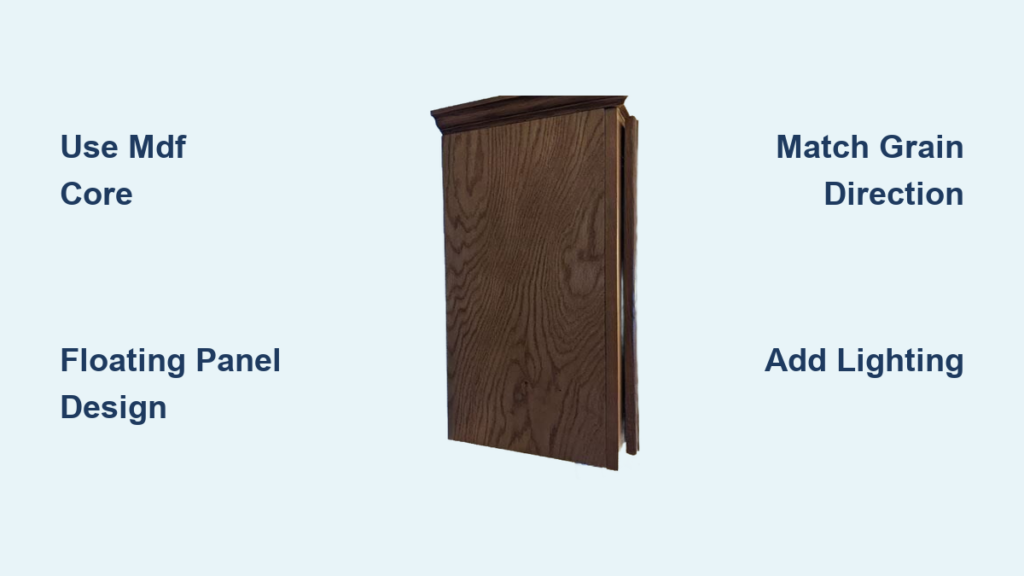
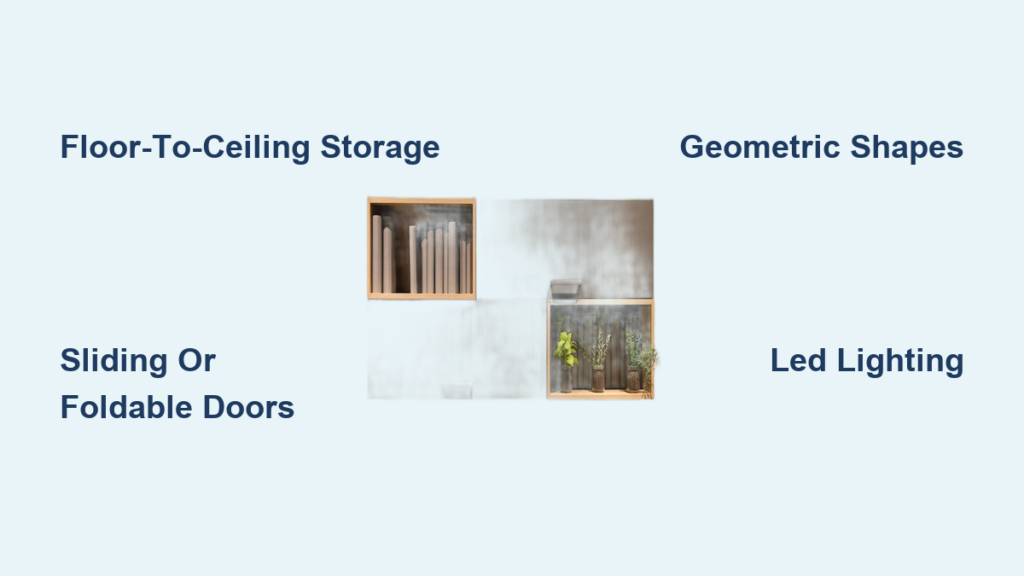
Your walls hold untapped potential for storage that standard furniture simply cannot match. The right wall cabinet ideas transform empty vertical space into organized, stylish solutions for any room in your home.
Discover how to blend form and function with designs ranging from floor-to-ceiling units to smart tech-integrated systems. This guide reveals practical strategies to optimize your layout while elevating your interior aesthetics.
Maximize Vertical Space with Floor-to-Ceiling Storage
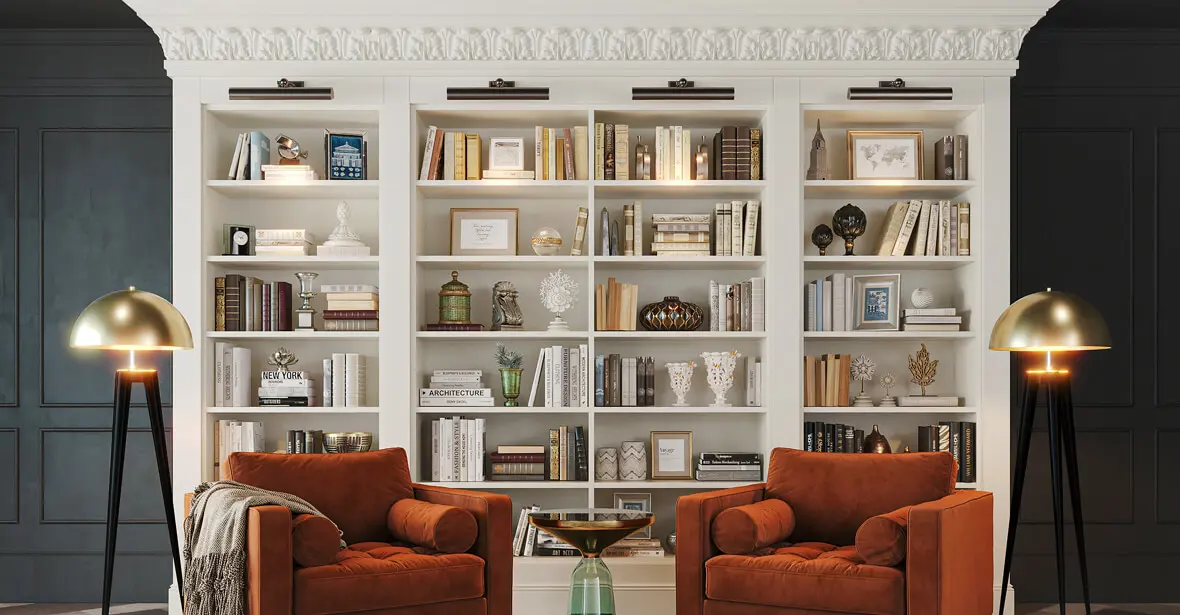
Towering cabinets that reach from the floor to the ceiling eliminate wasted air space above standard units. These massive structures turn your entire wall into a cohesive storage hub for books, media, and seasonal items.
Create Unity with Consistent Finishes
Select a single material like matte white, warm wood, or sleek black for all cabinet fronts. This consistent finish makes the unit feel like built-in architecture rather than added furniture.
Divide Open Layouts Effectively
Place double-sided units between living and dining areas to define zones without blocking light. These full-height cabinets act as elegant room dividers in open-concept homes.
Break Up Visual Mass Strategically
Mix open shelves with closed cabinets to prevent the unit from looking too heavy. Alternating glass fronts with solid doors adds depth and keeps the design feeling airy.
Implement Space-Saving Mechanical Designs
Compact rooms require flexible solutions that do not sacrifice floor space for functionality. Mechanical wall cabinets offer adaptability for tight spots where traditional doors fail.
Install Sliding or Foldable Doors
Replace swinging hinges with panels that slide along tracks or fold flat against the wall. This eliminates the swing radius needed for standard doors in narrow hallways.
Utilize Pivot and Track Systems
Use specialized hardware to create cabinets that pivot 90 degrees or glide sideways behind sofas. These systems allow access in alcoves where standard doors cannot open fully.
Hide Access in Tight Zones
Mount pull-down or flip-up cabinets above desks to keep compact areas clear. These units stay concealed until you need them, maintaining a clutter-free appearance.
Design Custom Geometric Cabinet Shapes

Break free from boring boxes by installing geometric wall cabinets that double as art pieces. Circular, arched, or hexagonal forms add architectural whimsy to linear rooms.
Soften Rooms with Curved Forms
Install circular or arched cabinets above doorways to soften angular architecture. These shapes create a unique focal point in hallways or living areas.
Cluster Asymmetrical Units
Group floating hexagonal or triangular cabinets to build a dynamic sculptural feature. This approach works best when you want a modern, non-traditional look.
Contrast Materials for Impact
Pair matte black metal frames with warm wood shelves to highlight geometric shapes. The mix of textures elevates these forms from simple novelty to sophisticated design.
Explore Industrial and Reclaimed Material Options

Raw materials bring character and history to your storage solutions through industrial or upcycled designs. Pipe frames and salvaged wood create rugged, one-of-a-kind cabinets.
Build Pipe-Frame Shelving Systems
Construct cabinets using exposed steel pipes and wooden planks for an industrial loft vibe. This look works perfectly in home offices or kitchens with an edgy aesthetic.
Craft Cabinets from Salvaged Doors
Use old barn wood or salvaged doors to create units with unique patina and grain. Each piece tells a story, making it ideal for rustic or farmhouse interiors.
Seal Wood for Durability
Apply water-resistant finishes to reclaimed wood before installing it in kitchens. Proper sealing prevents warping and extends the life of the material in humid areas.
Achieve Seamless Panel Integration
Blend your storage directly into the wall structure for a custom, high-end built-in appearance. This technique makes cabinets disappear into the surrounding design.
Match Existing Wall Paneling
Incorporate beadboard, shiplap, or textured wallpaper into your cabinet fronts. Aligning these with surrounding walls makes the storage unit vanish into the background.
Create an Accent Wall Feature
Paint one cabinet section a bold color or apply a mural to make it a focal point. A single vibrant unit draws the eye and acts as both storage and art.
Extend Trim to the Ceiling
Frame your cabinets with molding that runs continuously from the floor to the ceiling. This mimics custom millwork and elevates even modular units to luxury status.
Enhance Depth with Glass and Mirrors
Transparency and reflection add light and dimension to your wall cabinet ideas. Glass and mirrors make small spaces feel larger and brighter.
Display Items on Glass Shelves
Install tempered glass shelves to showcase collectibles while keeping them dust-free. Transparent surfaces keep items visible without blocking light flow.
Install Mirror-Front Doors
Choose vintage or ornate mirrors for cabinet fronts to amplify space. These function as practical mirrors in entryways while reflecting light throughout the room.
Contrast Frames with Clear Glass
Pair clear glass panels with matte black metal or dark wood frames. This contrast adds depth and provides a sharp, contemporary edge to the design.
Integrate LED Lighting Solutions
Lighting transforms simple storage into a dramatic statement piece within your home. LED strips highlight displays and improve visibility inside deep cabinets.
Light Internal Shelves
Install LED strip lights under shelves to highlight books, ceramics, or decor. This ensures items in deep sections remain visible even in low light.
Create Ambient Glow
Use warm-white LEDs in living room units to create a cozy atmosphere. Soft lighting enhances wood tones and adds warmth to the overall space.
Conceal Wiring Completely
Route all wires through internal channels or behind paneling for a clean look. Hidden wiring maintains a minimalist aesthetic and prevents tripping hazards.
Incorporate Smart Tech Features
Modern cabinets do more than store items by integrating charging stations and automation. These smart features keep your devices powered and your space organized.
Add Built-In Charging Stations
Install USB ports and wireless charging pads inside cabinet compartments. This allows devices to charge discreetly in living rooms or entryways without cable clutter.
Automate Door Movement
High-end units can feature motorized doors that open with a touch or voice command. This hands-free access is ideal for kitchens or media rooms.
Use Magnetic Closures
Employ magnetic latches and concealed hinges to maintain a seamless surface. Doors sit flush with the frame, creating a smooth, minimalist appearance.
Optimize Kitchen Storage Functionality
Turn kitchen wall cabinets into active helpers with specialized pull-outs and hidden tools. These features maximize efficiency in the heart of your home.
Install Pull-Out Spice Racks
Fit narrow vertical cabinets with rotating or sliding shelves for spices. This keeps seasonings organized and within easy reach while cooking.
Hide Cutting Boards
Integrate retractable cutting boards that slide out from above the sink area. Tuck them away when not in use to save valuable counter space.
Store Wine and Glassware
Add glass-front cabinets with dedicated wine racks or stemware holders. These double as elegant display pieces when you are entertaining guests.
Organize Living Room Media and Displays
Make your living room wall a hub for entertainment by balancing open and closed storage. This approach keeps electronics hidden while showcasing your personality.
Build Bookshelf Hybrid Units
Combine open shelves for books with closed cabinets for electronics and media gear. Use glass doors to protect equipment from dust while keeping it visible.
Dedicate Space for Media
Design sections with ventilation slots and cable management for AV equipment. This keeps wires hidden but ensures components remain accessible for maintenance.
Style Open Shelving Carefully
Arrange books, plants, and decor in groups of three for balanced visual interest. This “rule of three” creates curated vignettes that look professional and tidy.
Streamline Entryway and Office Zones
Tame clutter in high-traffic areas with wall cabinets designed for organization and tech management. These zones benefit greatly from hidden compartments and charging hubs.
Hide Routers and Power Hubs
Install a ventilated cabinet with cord cutouts to store routers and power strips. This keeps unsightly tech equipment out of sight while maintaining full functionality.
Create a Drop-Off Zone
Build a small cabinet with hooks and a shelf for keys, bags, and phones. Include a charging pad to make this your daily landing spot for essentials.
Maintain Minimalist Office Storage
Use wall cabinets with magnetic closures in home offices to hide supplies. This keeps your workspace distraction-free and visually calm for better focus.
Balance Open and Closed Storage
The key to successful wall cabinet ideas is mixing visibility with concealment for the best results. This balance prevents clutter while allowing you to display favorite items.
Display Personality on Open Shelves
Use open sections to show off travel souvenirs, plants, or favorite books. These items tell your story and add necessary warmth to the room.
Conceal Clutter Behind Doors
Store everyday items like remotes, cords, and paperwork behind closed doors. A clean front face keeps the room looking tidy and organized.
Alternate Sections for Rhythm
Create visual rhythm by alternating open and closed units across the wall. This prevents monotony and adds architectural interest to the overall design.
Select Durable Materials and Hardware
Choose components that support your design while ensuring long-term durability and safety. Proper selection prevents damage and maintains the aesthetic over time.
Choose Moisture-Resistant Materials
Use sealed wood, metal, or laminate for kitchens or plant-integrated cabinets. These materials resist humidity and prevent warping in damp environments.
Install Hidden Hinges
Select hidden hinges and magnetic closures for a clean, modern look. These ensure doors sit flush and close softly without visible hardware.
Anchor Cabinets Securely
Secure floating or geometric cabinets to wall studs with strong anchors. This is essential for safety, especially when supporting heavy or asymmetrical loads.
Frequently Asked Questions About Wall Cabinet Ideas
How do I maximize storage in a small room?
Focus on floor-to-ceiling units and mechanical designs like sliding or folding doors. These options utilize vertical space and eliminate the swing radius required by traditional cabinets.
What materials work best for kitchen wall cabinets?
Choose moisture-resistant materials like sealed wood, metal, or high-quality laminate. These withstand humidity and prevent warping in high-moisture cooking environments.
Can I integrate technology into my wall cabinets?
Yes, you can install built-in USB ports, wireless charging pads, and even motorized doors. These features keep devices charged and reduce cable clutter significantly.
How do I make wall cabinets look built-in?
Match cabinet finishes to your wall paneling and extend trim molding to the ceiling. This creates a seamless illusion that the cabinets are part of the original architecture.
Are geometric cabinets practical for everyday use?
Geometric cabinets are functional when designed with proper internal framing and secure anchoring. They offer unique storage while serving as artistic focal points in a room.
Key Takeaways for Your Next Wall Cabinet Project
Successful wall cabinet ideas blend maximum utility with seamless design to transform your living space. Focus on vertical expansion, smart material choices, and the strategic balance of open versus closed storage.
Start by evaluating your most cluttered wall and selecting a style that matches your lifestyle needs. Whether you choose industrial pipes or sleek hidden tech, your walls can become your most valuable storage asset.